TL;DR:
- Florida’s intense storms require properly maintained seamless gutters to prevent foundation and wall damage.
- Common issues include overflow, leaks, sagging, storm damage, and pest infestations needing regular inspection and repair.
- Using micro-mesh gutter guards and professional installation prolongs gutter lifespan and enhances home protection.
Central Florida’s storm season is no joke. When a summer thunderstorm rolls through, your roof sheds over 1,200 gallons of water per inch of rain on a 2,000 square foot home. That water has to go somewhere, and if your gutters are clogged, sagging, or leaking, it goes straight into your foundation, walls, and landscaping. The humidity, salt air, and hurricane-force winds here create gutter problems that generic home improvement advice simply does not address. This guide walks you through the warning signs, the most common issues, the best fixes, and how to keep your gutters working year after year.
Table of Contents
- Signs your gutters need attention in Central Florida
- Top 5 common gutter problems Florida homeowners face
- Comparing solutions to the most common gutter issues
- How to prevent future gutter problems
- Why most guides underestimate Florida’s unique gutter challenges
- Protect your home with expert gutter solutions
- Frequently asked questions
Key Takeaways
| Point | Details |
|---|---|
| Early warning signs | Recognize overflow, leaks, and pests as first indicators your gutters need attention. |
| Florida-specific issues | Central Florida’s storms, rainfall, and humidity create unique gutter problems that need tailored solutions. |
| Best repair solutions | Seamless aluminum gutters, micro-mesh guards, and regular cleaning offer superior protection. |
| Consistent maintenance | Cleaning 2–4 times a year and post-storm inspections prevent costly damage. |
| Expert help matters | Relying on specialized Florida gutter pros ensures repairs and upgrades last longer. |
Signs your gutters need attention in Central Florida
Having set the stage for why gutters need attention, let’s identify the most common problems that signal action is required. Spotting trouble early saves you from expensive repairs down the road, and in Florida, problems escalate fast.
Here are the key warning signs to watch for:
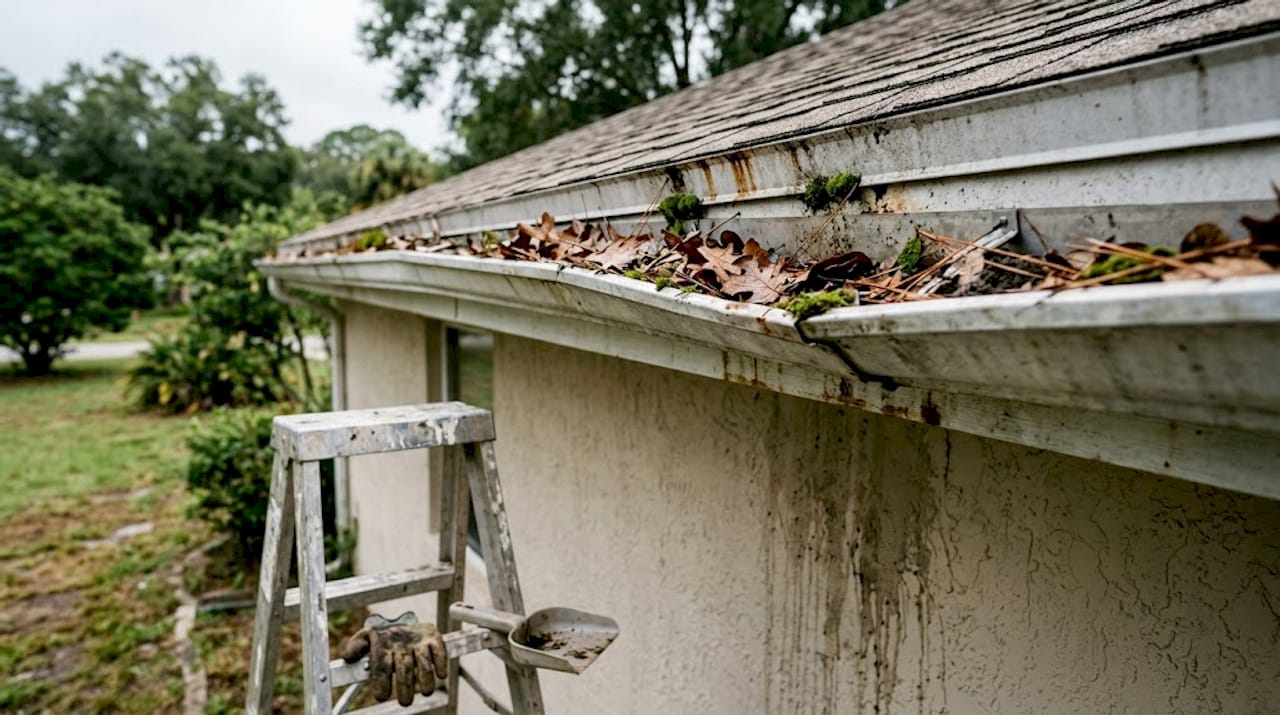
- Water overflowing the sides during or after heavy rain, even on moderate storms
- Sagging or pulling away from the fascia board along the roofline
- Water pooling near your foundation after storms, which signals poor drainage
- Rust streaks, peeling paint, or staining on the siding below the gutters
- Leaks at seams or end caps, visible as drip lines on the exterior
- Mosquitoes or other pests hovering near the gutters, a sign of standing water inside
Central Florida receives between 40 and 70 inches of rain annually, and gutters here must be sized for intense storm events. That level of rainfall intensity means even a small clog can trigger overflow within minutes.
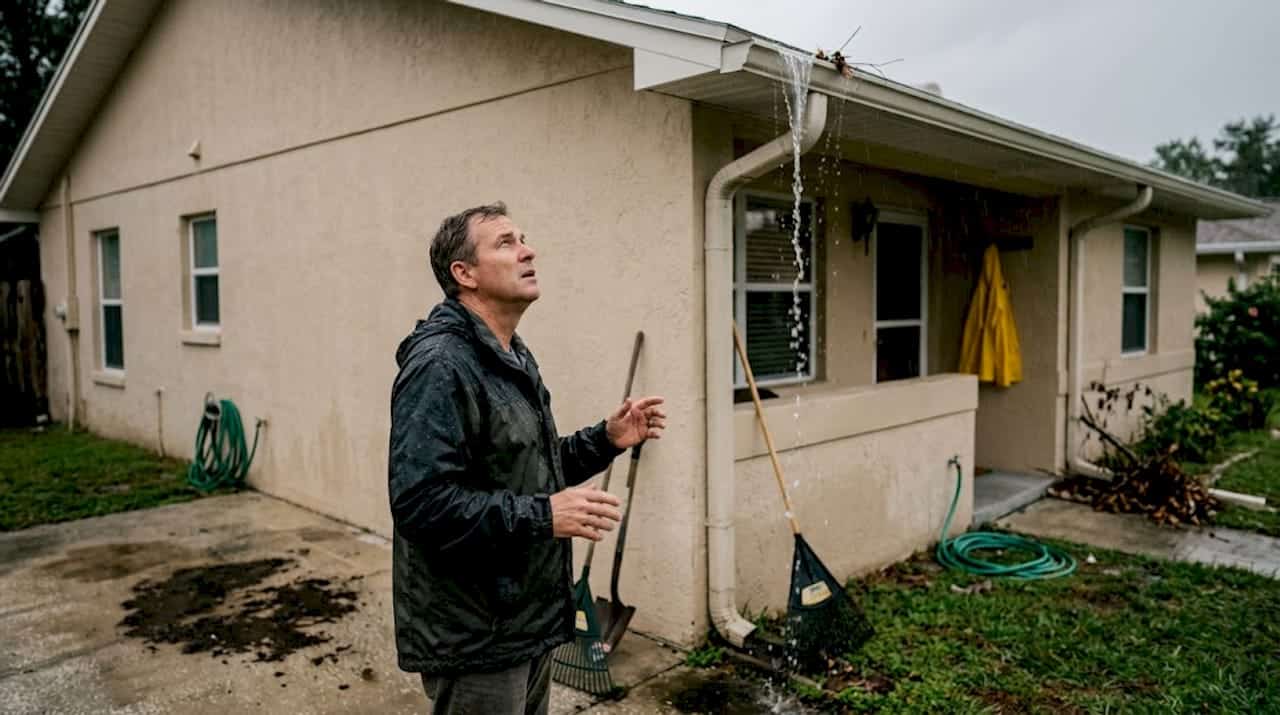
Overflow during heavy rain is one of the most common issues from Florida storms, caused by clogs, undersizing, or blockages from debris. The problem is that most homeowners only notice it while standing outside in the rain, which is not exactly inspection time.
The smarter move is to check your gutters within 24 hours after a storm while the evidence is still fresh. Look for watermarks, debris lines, and any movement in the gutter hangers. Good gutter protection in storms starts with knowing what a healthy gutter looks like after a hard rain versus a failing one.
Pro Tip: Take photos of your gutters from the ground after every major storm. Over a few months, you will start to see subtle changes like slight sagging or new staining that signal a problem before it becomes serious.
If you are already seeing fixes for heavy rain gutter issues become a recurring need, it is time to look deeper at the root cause rather than patching the same spots repeatedly.
Top 5 common gutter problems Florida homeowners face
Once you know what to watch for, it is easier to pinpoint exactly which gutter problem you might be facing. These are the five issues we see most often across Central Florida homes.
- Overflow and clogs. Wet leaves, pine needles, and storm debris pack into gutters fast. Florida’s year-round growing season means debris never really stops falling.
- Leaks and seam failures. Cracks, failed seams, and rust develop faster here because Florida’s humidity, salt air, and UV exposure accelerate corrosion on sectional gutters.
- Sagging or detachment. Fasteners loosen over time, and storm winds pull gutters away from the fascia. A gutter full of wet debris can weigh hundreds of pounds.
- Storm and hurricane damage. High winds bend gutters, rip them from the roofline, or fill them with large debris that crushes the channel shape entirely.
- Pest infestations. Standing water breeds mosquitoes and attracts other pests, a heightened risk in Florida’s humid climate where mosquito season never fully ends.
Aluminum gutters last 20 to 30 years with proper care, but Florida’s conditions can cut that lifespan significantly without regular maintenance.
Here is a quick reference for diagnosing what you are dealing with:
| Problem | Main cause | Top sign to watch for |
|---|---|---|
| Overflow and clogs | Debris buildup, undersized gutters | Water spilling over sides during rain |
| Leaks and seam failures | Corrosion, UV damage, age | Drip lines or staining on siding |
| Sagging or detachment | Fastener failure, heavy debris | Visible gap between gutter and fascia |
| Storm damage | Hurricane winds, flying debris | Bent channels or missing sections |
| Pest infestations | Standing water in gutter | Mosquitoes near roofline, buzzing |
Pro Tip: Run your hand along the inside of your gutter after cleaning it. Rough, flaking metal or soft spots in the seams are early signs of corrosion that will become leaks within one or two seasons.
For a deeper look at what is behind each of these failures, the essential gutter repair tips and gutter troubleshooting in Florida resources break down the mechanics in plain language.
Comparing solutions to the most common gutter issues
Knowing the problems is only half the battle. Understanding your options makes fixing them easier and more cost-effective. Here is how the most practical solutions stack up.
Cleaning frequency is the foundation of everything. Clean your gutters two to four times a year, with at least one cleaning after the rainy season and one before it. After major storms, do a quick check even if a full cleaning is not needed.
Repair options depend on the gutter type. Seamless aluminum gutters have far fewer failure points because they eliminate most seams where leaks start. If you have sectional gutters and keep patching the same seams, replacement with seamless aluminum is almost always the smarter long-term investment.
Gutter guards are worth understanding carefully. Micro-mesh guards block pine needles and fine debris, reducing cleaning frequency by up to 75%. Foam inserts, on the other hand, perform poorly in Florida’s UV environment and tend to degrade and trap debris rather than repel it. Stick with micro-mesh for Florida conditions.
Here is a side-by-side comparison to help you decide:
| Common problem | DIY fix | Pro solution | Ongoing maintenance |
|---|---|---|---|
| Clogs and overflow | Hand clean, flush with hose | Seamless gutter install, right sizing | Clean 2 to 4 times per year |
| Leaks and seam failures | Gutter sealant on small cracks | Seamless aluminum replacement | Annual inspection |
| Sagging or detachment | Re-secure hangers with screws | Full re-hang with proper pitch | Check after every storm |
| Storm damage | Straighten minor bends | Section replacement or full install | Post-storm inspection within 48 hours |
| Pest infestations | Flush and clean standing water | Micro-mesh guard installation | Seasonal cleaning |
Key cost and decision factors to keep in mind:
- DIY cleaning costs almost nothing but requires safe ladder access and the right tools
- Gutter sealants cost under $20 but only work on small cracks, not structural failures
- Micro-mesh guard installation runs higher upfront but pays back in reduced labor and damage
- Professional installation ensures correct pitch and fastener placement, which DIY often misses
For a full breakdown of your options, the guides on types of gutter guards, the gutter guard installation workflow, and gutter upgrade ideas cover the details.
Pro Tip: Always repair existing gutters before installing guards. Installing guards over a leaking or sagging gutter just hides the problem and makes future repairs harder and more expensive.
How to prevent future gutter problems
Choosing and applying the right fix is just the start. Consistent maintenance keeps problems from returning, especially in a climate as demanding as Central Florida’s.
Here is a step-by-step annual and post-storm maintenance routine:
- Spring cleaning (March to April). Clear out winter debris before the rainy season starts. Check all hangers and seams.
- Pre-hurricane season check (May to June). Confirm gutters are fully secured. Tighten any loose fasteners and clear all downspouts.
- Post-storm inspection (within 24 to 48 hours). Look for bends, gaps, overflow marks, and debris buildup after any significant storm.
- Fall cleaning (October to November). Clear out debris from the rainy season. Flush downspouts to confirm they drain freely.
- Year-end inspection (December). Check for corrosion, sagging, and any seam movement before the next storm season begins.
Cleaning gutters two to four times per year, including spring, fall, and after major storms, is the baseline for Florida homes. If you have large trees overhanging your roof, bump that up to five or six times per year.
For DIY cleaning, the basic tools you need are a gutter scoop or small trowel, a garden hose with a spray nozzle, a stable ladder, and gloves. Safety matters more than speed here. Never lean a ladder against the gutter itself.
Know when to call a professional:
- Gutters are higher than one story and require unsafe ladder positioning
- You find recurring leaks in the same spots after repeated repairs
- Gutters are pulling away from the fascia and re-securing does not hold
- You want to install guards and need the pitch and fit done correctly
The Florida gutter solutions guide and DIY gutter cleaning tips are solid starting points. For the right equipment, the gutter maintenance tools list and gutter cleaning checklist make it easy to stay organized.
Pro Tip: Install micro-mesh guards only after all repairs are complete and gutters are properly pitched. Guards installed on a compromised system lock in the problems rather than solving them.
Why most guides underestimate Florida’s unique gutter challenges
Most gutter advice online is written for the Pacific Northwest or the Midwest, where rainfall is steady and moderate. Central Florida is a different animal entirely. You are dealing with coastal salt corrosion, hurricane debris, and pests in stagnant water all at once, not as rare edge cases but as regular seasonal realities.
Generic advice like “clean twice a year” and “patch leaks with sealant” does not account for 60-plus inches of annual rainfall, Category 3 wind loads, or the speed at which Florida vegetation grows back over and into gutters after a trim. Seamless aluminum gutters and professional pitch installation are not premium upgrades here. They are baseline requirements for a system that will actually last.
We have seen homeowners follow generic guides faithfully and still end up with foundation erosion and soffit rot within a few years, simply because the advice was not calibrated for this climate. The smarter approach is to treat gutter maintenance as a seasonal task tied to Florida’s actual weather calendar, not a generic twice-a-year chore. Regular professional inspections, especially after hurricane season, catch the issues that DIY checks miss. Explore gutter system strategies for Central Florida to see what a locally informed approach actually looks like.
Protect your home with expert gutter solutions
Now that you know what to look for and how to maintain your gutters, the next step is making sure your system is built to handle what Central Florida actually throws at it. A well-installed seamless gutter system paired with the right guards is one of the most cost-effective ways to protect your home long term.

At Larry’s Gutters, we specialize in solutions designed specifically for Florida homes. Whether you are wondering are seamless gutters worth it, comparing types of gutter guards for your situation, or ready to walk through the gutter replacement steps for your home, we are here to help. Contact us for a free quote and get a system that is built to last through whatever storm season brings.
Frequently asked questions
How often should I clean gutters in Central Florida?
Clean gutters two to four times per year, including after major storms, and more often if large trees hang over your roofline. Florida’s year-round growing season means debris accumulates faster than in most other states.
What are the signs of storm-damaged gutters?
Look for bent or sagging channels, water overflow marks, and loose fasteners or hangers. Post-storm inspection within 48 hours gives you the best chance to catch damage before it worsens.
Do gutter guards eliminate cleaning?
Micro-mesh guards reduce cleaning by 75% but do not eliminate it entirely. A light surface cleaning one to two times per year is still recommended to clear fine debris from the mesh surface.
What type of gutter material lasts longest in Florida?
Seamless aluminum lasts 20 to 30 years with proper care and handles Florida’s humidity, salt air, and intense sun better than sectional or vinyl alternatives.
