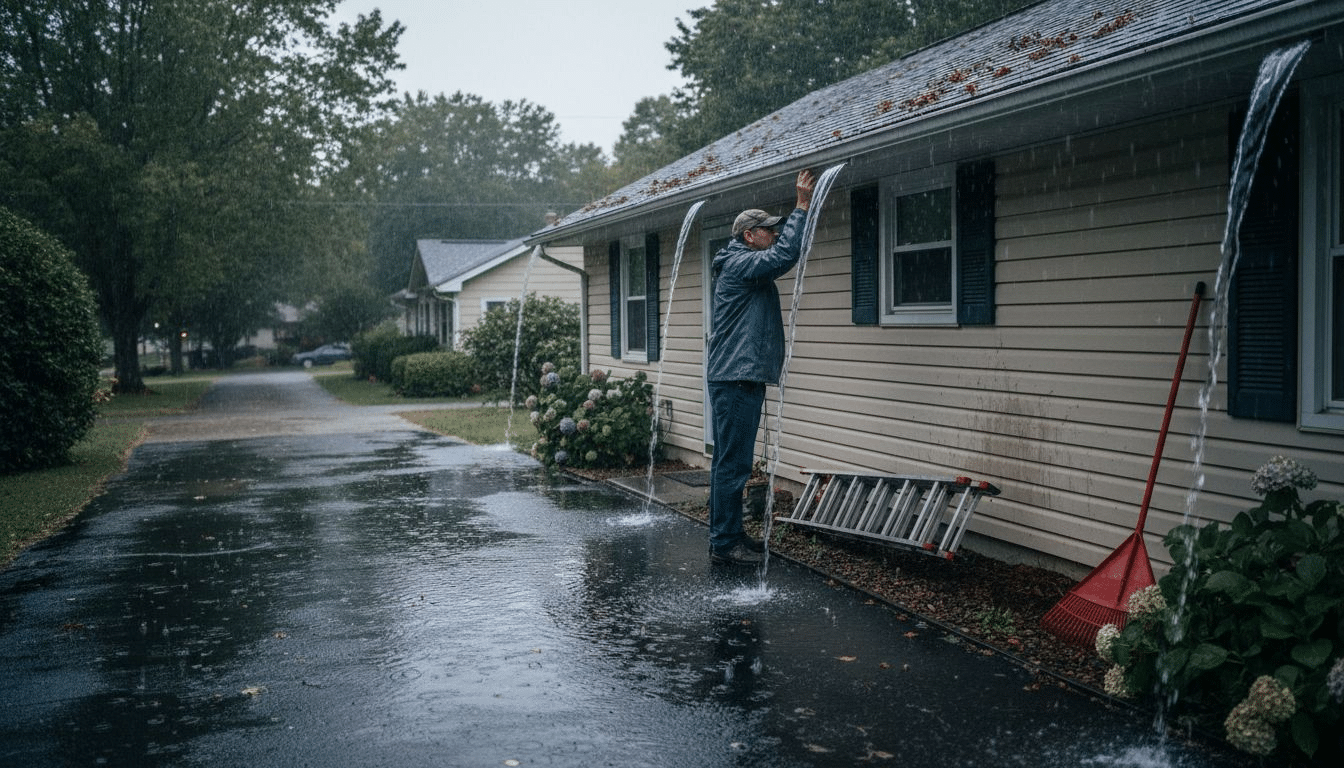
Central Florida’s storm season brings intense rainfall that can overwhelm your home’s drainage system in minutes. A typical 2,000 square foot roof sheds over 1,200 gallons of water per inch of rain, creating massive runoff that threatens your foundation, landscape, and structure. Properly sized and maintained gutters are your first line of defense against water damage, but many homeowners underestimate their importance until it’s too late.
Table of Contents
- Understanding Gutters: What They Do During Storm Season
- How Gutters Protect Your Property During Storm Season
- Choosing The Right Gutter Size And Material For Storm Season
- Common Installation Pitfalls And How To Avoid Them
- Maintenance: Preparing Gutters For Storm Season
- Role And Effectiveness Of Gutter Guards
- Common Misconceptions About Gutters In Storm Protection
- Comprehensive Gutter Care Framework For Storm Season
- Protect Your Home This Storm Season With Expert Gutter Solutions
- Frequently Asked Questions
Key takeaways
| Point | Details |
|---|---|
| Water volume management | Gutters channel over 1,200 gallons per inch of rain away from your home during storms. |
| Size matters for capacity | 6-inch metal gutters handle 40% more water than 5-inch systems, reducing overflow risk. |
| Installation precision required | Correct slope and downspout placement prevent backup during heavy rainfall events. |
| Maintenance reduces failures | Regular cleaning and gutter guards cut clogging issues by up to 70%. |
| Material choice affects durability | Metal gutters outperform vinyl in storm conditions and resist debris damage. |
Understanding gutters: what they do during storm season
Gutters collect rainwater from your roof and channel it away from your foundation through a network of troughs and downspouts. During heavy spring storms, a 2,000-square-foot roof can shed over 1,200 gallons of water per inch of rainfall, requiring a robust drainage system to manage the flow. Without functional gutters, this massive volume pools around your home’s perimeter, causing soil erosion, foundation cracks, and structural damage.
Proper gutter slope is critical for efficient water movement. Your system should pitch toward downspouts at a quarter inch per 10 feet of run, ensuring water flows smoothly without stagnating. When gutters lack adequate slope or have reverse sections, water backs up and overflows during storms, defeating their protective purpose. Understanding the role of gutters in home protection helps you recognize warning signs before damage occurs.
Pro Tip: Schedule a comprehensive gutter maintenance checklist inspection before storm season starts. Catching minor issues like loose hangers or small leaks prevents catastrophic failures when heavy rains arrive.
Regular inspection reveals problems your gutters face:
- Sagging sections that indicate inadequate support or water weight buildup
- Rust spots or corrosion showing material deterioration
- Gaps at seams where water can escape and damage fascia boards
- Downspout disconnections that redirect flow toward your foundation
Consult gutter troubleshooting resources when you notice these red flags. Early intervention costs far less than repairing foundation damage or replacing rotted wood.
How gutters protect your property during storm season
Heavy storm runoff erodes soil around your foundation when water cascades directly from roof edges. This erosion creates voids beneath concrete slabs and footings, leading to settlement cracks and structural instability. Improperly sized gutters increase risks of basement flooding, foundation erosion, and landscape damage during storms in heavy rain areas, making proper gutter function essential for home integrity.
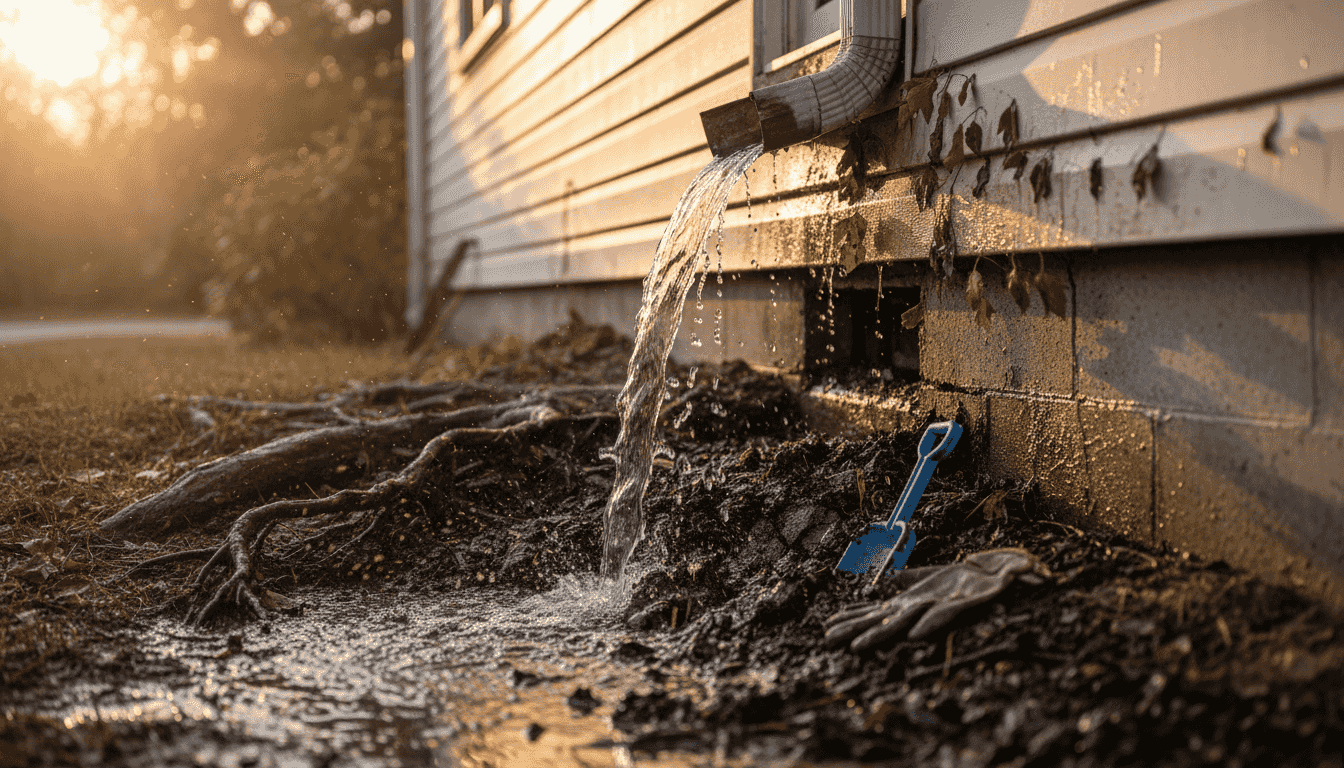
Gutters prevent water from pooling against siding and window frames, where it penetrates seams and causes wood rot, mold growth, and interior damage. Directing flow away from these vulnerable areas keeps your home dry and healthy. Correct downspout placement moves water at least six feet from your foundation, depositing it where it can’t threaten your structure.
Your landscape also depends on gutter protection. Without controlled drainage, storm runoff washes away topsoil, mulch, and plants you’ve invested in. Concentrated flow creates erosion channels that scar your yard and require costly repairs. Understanding gutters in home protection helps you see the full scope of their value.
Consider the volume challenge: over 1,200 gallons per inch of rain from a typical roof equals roughly 150 five-gallon buckets dumped around your home during a moderate storm. That’s enough water to fill a small swimming pool from a single storm event. Your gutters must capture and redirect this torrent without overflowing.
Key protection benefits include:
- Foundation preservation by preventing erosion voids and settlement
- Siding protection from water intrusion and rot damage
- Landscape preservation by controlling runoff flow patterns
- Basement dryness by keeping water away from below-grade spaces
- Fascia board protection from constant moisture exposure
Homeowners who ignore gutters prevent foundation erosion face repair bills that dwarf gutter system costs. Foundation work starts at thousands of dollars and often requires extensive excavation.
Choosing the right gutter size and material for storm season
6-inch K-style gutters handle about 40% more water than 5-inch gutters, making them superior for Central Florida’s intense rainfall. This capacity difference determines whether your system manages storm volumes or overflows onto your foundation. Match your gutter size to your roof area and local rainfall intensity for reliable performance.
Downspout sizing must complement your gutters. Use 3×4 inch downspouts with 6-inch gutters to prevent bottlenecks that cause backup. Too few downspouts force water to travel excessive distances, increasing overflow risk at the far end of runs. Plan one downspout for every 30 to 40 feet of gutter length.
Aluminum and steel gutters are more durable in storms than vinyl, which may detach and fail under stress. Metal systems resist impact from falling branches and wind-driven debris that crack vinyl. While vinyl costs less initially, frequent repairs and replacement erase any savings.
| Feature | 5-Inch Gutters | 6-Inch Gutters |
|---|---|---|
| Water capacity | Standard volume | 40% more volume |
| Best for roof size | Under 1,500 sq ft | Over 1,500 sq ft |
| Overflow risk | Higher in storms | Lower in storms |
| Downspout size | 2×3 inches | 3×4 inches |
| Material | Vinyl | Metal (Aluminum/Steel) |
|---|---|---|
| Durability | Cracks under stress | Resists impact damage |
| Lifespan | 10-15 years | 20-30+ years |
| Storm performance | May detach | Stays secure |
| Cost | Lower upfront | Higher upfront, better value |
Consult gutter sizing explained for detailed calculations based on your specific roof dimensions. Professional gutter systems for Central Florida homes account for local rainfall patterns that exceed national averages.
Pro Tip: Investing in top gutters for Florida homes means choosing metal construction in 6-inch width. This combination handles storm season demands without the frequent failures that plague undersized vinyl systems.
Material selection affects maintenance frequency and long-term costs. Metal gutters require occasional resealing at joints but resist the warping and cracking that vinyl experiences under Florida’s heat and UV exposure.
Common installation pitfalls and how to avoid them
Improper installation height or insufficient pitch in gutters leads to frequent overflow and damage during storms. Many DIY installations lack the precision needed for reliable drainage. Even small deviations from proper slope cause water to pool instead of flowing toward downspouts.
Too few downspouts create bottlenecks that back water up during heavy rainfall. Your system needs adequate outlets to discharge the volume your roof generates. Skimping on downspouts to save money guarantees overflow problems when storms hit.
Professional installation ensures gutters attach securely to fascia boards with hangers spaced no more than 24 inches apart. Wider spacing allows sagging under water weight, creating low spots where debris collects and flow stagnates. Check gutter troubleshooting tips to identify these common issues.
Top installation mistakes include:
- Wrong slope angle causing water to pool instead of drain
- Insufficient downspouts for roof area and rainfall volume
- Loose attachment allowing gutters to sag or pull away
- Poor sealing at corners and joints leading to leaks
- Incorrect height placement affecting water capture efficiency
Demand professional standards from your installer. Quality work includes seamless construction that eliminates leak-prone seams, proper pitch throughout each run, and secure attachment that withstands wind loads. Review the gutter installation guide to understand what correct installation looks like.
Corrective action for existing systems starts with slope verification. Use a level to check each section, looking for reverse grades or flat spots. Add hangers or adjust existing ones to restore proper pitch. Address attachment issues before they allow entire sections to fail during the next storm.
Maintenance: preparing gutters for storm season
Regular gutter cleaning before and during storm season prevents clogging that can cause water overflow and foundation erosion. Leaves, pine needles, and debris accumulate throughout the year, blocking water flow when you need it most. Clean gutters at least twice annually, with one session scheduled just before your area’s peak storm months.
Gutter guards reduce cleaning frequency by up to 70% when properly installed and maintained. These protective covers keep large debris out while allowing water to enter, dramatically cutting the maintenance burden. Even with guards installed, periodic inspection ensures nothing bypasses the protection.
Pro Tip: Even the best gutter guards require seasonal inspection and occasional cleaning. Small debris can accumulate on guard surfaces and reduce water entry during heavy storms. Budget time to clear guard surfaces along with checking downspouts.
Maintenance task checklist:
- Remove all debris from gutter channels and downspouts
- Inspect for rust spots, holes, or separation at seams
- Clear downspout outlets and verify water flows freely
- Check gutter guard surfaces for accumulated debris
- Verify hangers remain tight and gutters maintain proper slope
Follow rain gutter maintenance steps for detailed procedures that extend your system’s life. Understanding gutters maintenance importance motivates consistent upkeep that prevents emergency repairs.
Downspout maintenance often gets overlooked but matters just as much as gutter cleaning. Use a plumber’s snake or pressure washer to clear blockages that prevent drainage. Test flow by running water through the system, watching for slow drainage that indicates partial clogs.
Role and effectiveness of gutter guards
Gutter guards help prevent leaf and debris accumulation during storm season by creating a barrier over gutter openings. Proper guard installation is critical because poorly fitted covers allow debris to slip underneath or cause water to overshoot gutters during heavy rainfall. Not all guard designs work equally well in Central Florida’s conditions.
Gutter guards can reduce cleaning frequency by up to 70% but require proper installation and regular inspection to maintain effectiveness. This reduction translates to significant time and cost savings over your gutter system’s lifetime. However, guards don’t eliminate maintenance, they simply extend intervals between cleanings.
Quality and design affect results dramatically. Screen guards catch large leaves but allow small debris through. Micro-mesh designs block more material but can become clogged themselves during heavy pollen seasons. Surface tension guards direct water into gutters while shedding debris, but installation precision determines whether they work correctly.
Regular inspection of guards ensures they remain clear and functional. Heavy storms can deposit debris on guard surfaces that blocks water entry. A quick visual check after major weather events takes minutes but prevents overflow damage.
Gutter guard pros and cons:
- Pro: Dramatically reduces cleaning frequency and maintenance time
- Pro: Prevents large debris from clogging gutters and downspouts
- Pro: Reduces ice dam formation in cooler months
- Con: Initial installation cost adds to gutter system expense
- Con: Some designs allow small debris accumulation requiring cleaning
- Con: Poor installation can cause water overshoot during heavy rain
Consult gutter protection tips to evaluate which guard style suits your property and tree coverage. Dense tree canopy requires more robust protection than open areas.
Common misconceptions about gutters in storm protection
Myth: Gutters only manage roof runoff and don’t affect erosion or structural damage. Reality: Gutters are your primary defense against foundation erosion, siding damage, and landscape washout. Without them, concentrated runoff attacks vulnerable areas around your home.
Myth: Vinyl gutters perform as well as metal gutters in storms. Reality: Vinyl systems crack under debris impact and detach more easily during high winds. Metal construction provides superior durability that justifies the higher cost through longer service life and fewer failures.
Myth: Gutter guards eliminate the need for regular cleaning and maintenance. Reality: Guards reduce cleaning frequency significantly but don’t remove the need for periodic inspection and debris removal. Small materials still accumulate, and guard surfaces themselves need occasional clearing.
Misconception corrections:
- Gutters affect your entire property’s water management, not just the roof
- Material quality directly impacts storm performance and failure rates
- All gutter systems require maintenance regardless of protection additions
- Proper sizing matters more than brand or decorative style
- Professional installation prevents most performance problems
Basing decisions on facts protects your home effectively. Review common gutter misconceptions to avoid expensive mistakes that compromise your drainage system. Many homeowners learn these truths only after experiencing preventable damage.
Comprehensive gutter care framework for storm season
Step 1: Assess your roof size and local rainfall intensity to estimate runoff volume your system must handle. Effective stormwater management requires understanding rainfall intensity, gutter sizing, proper installation, and regular maintenance including gutter guards. Central Florida’s rainfall patterns demand capacity planning that accounts for intense bursts.
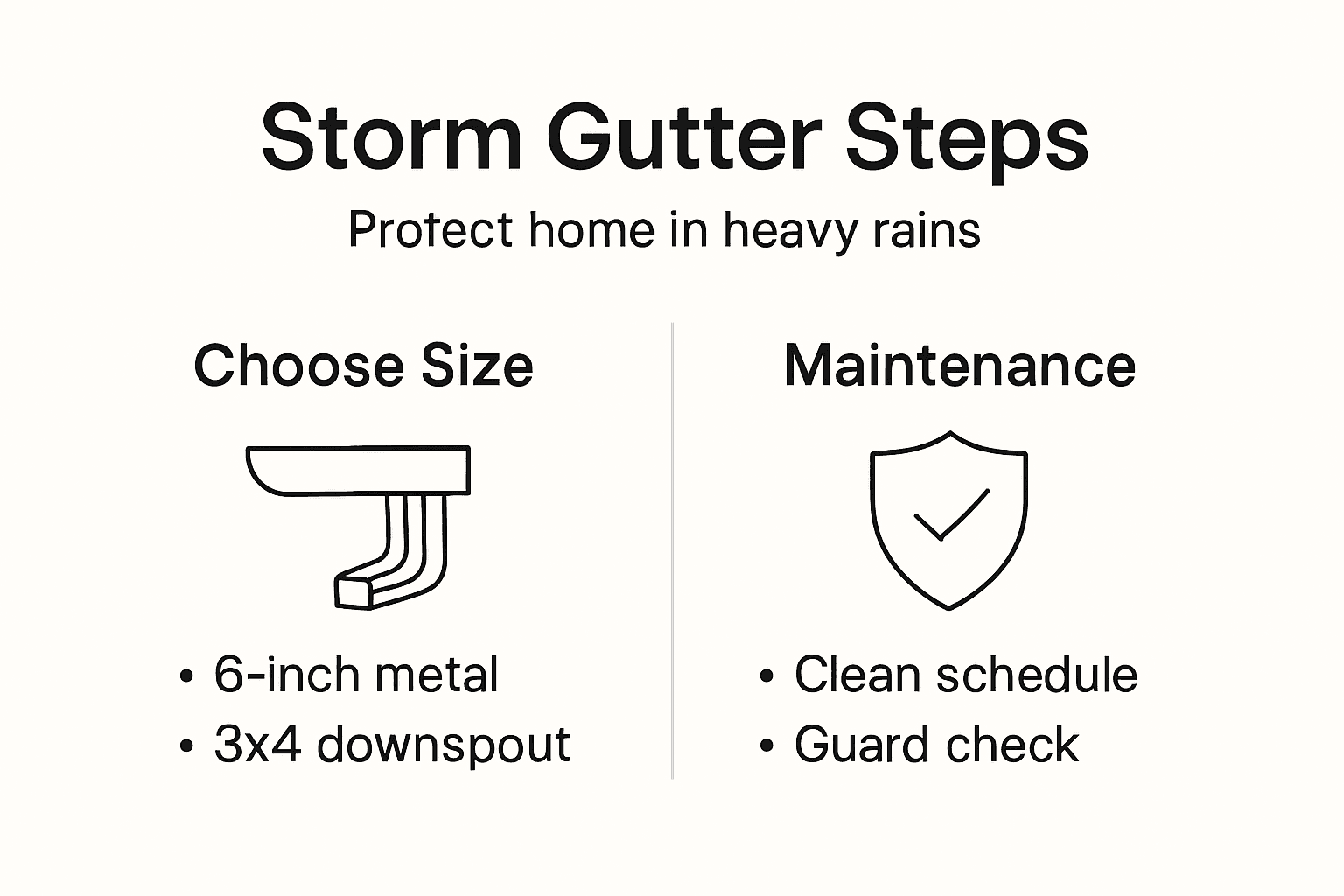
Step 2: Choose 6-inch metal gutters with properly sized 3×4 inch downspouts for maximum capacity. This combination handles storm volumes that overwhelm smaller systems. Verify gutter sizing explained calculations match your specific roof area.
Step 3: Hire professionals to install gutters with correct slope, secure attachment, and optimal downspout placement. Quality installation prevents the common failures that plague DIY projects. Review downspout installation steps to understand proper placement.
Step 4: Maintain gutters with scheduled cleanings, gutter guard inspections, and prompt repairs of any damage. Following gutter maintenance steps keeps your system functioning reliably throughout storm season.
| Step | Action | Frequency | Materials/Tools |
|---|---|---|---|
| Assessment | Measure roof and calculate runoff | Once initially | Measuring tape, calculator |
| Selection | Choose 6-inch metal gutters | Once during install | Quality aluminum or steel |
| Installation | Hire professional installer | Once, verify annually | Professional tools and expertise |
| Maintenance | Clean and inspect system | Twice yearly minimum | Ladder, gloves, hose |
| Guard care | Inspect and clear guards | Seasonally | Soft brush, water |
Action checklist for storm readiness:
- Calculate your roof’s runoff volume based on square footage
- Verify existing gutters are 6-inch width or plan upgrade
- Count downspouts and confirm one per 30-40 feet of gutter
- Schedule professional inspection if unsure about current system
- Clean gutters and guards before peak storm season begins
- Test flow with hose to identify drainage problems
- Address any sagging, leaks, or loose attachments immediately
This framework ensures your gutter system withstands Central Florida’s intense storm season demands. Each step builds on the previous one, creating comprehensive protection for your home.
Protect your home this storm season with expert gutter solutions
Larry’s Gutters offers professional installation of properly sized gutter systems and downspouts designed for Central Florida’s challenging storm conditions. Our expert gutter guard installation workflow reduces your maintenance burden while improving system reliability during heavy rainfall. We understand the unique demands of Lake, Marion, and Sumter county weather patterns.

Our detailed how to install gutters guide and gutter downspout installation steps demonstrate our commitment to quality work that protects your home investment. Contact us today to prepare your property for the 2026 storm season with gutters that handle whatever weather arrives.
Frequently asked questions
What size gutters are best for Central Florida storm season?
6-inch K-style gutters are recommended for heavy Central Florida rain because they hold 40% more water than 5-inch gutters. Pair them with 3×4 inch downspouts to prevent bottlenecks that cause overflow during intense storms.
Do gutter guards mean I can skip gutter cleaning?
Gutter guards reduce debris accumulation by up to 70% but don’t eliminate cleaning needs entirely. You still need seasonal inspections and occasional clearing of guard surfaces to maintain optimal performance during storms.
How can I tell if my gutters are installed correctly for storm readiness?
Correct gutters slope toward downspouts at a quarter inch per 10 feet with no pooling water visible after rain. Downspouts should be placed every 30-40 feet to handle roof runoff volume. Schedule a professional inspection if you notice any overflow or sagging.
Are metal gutters better than vinyl for Central Florida storms?
Metal gutters made from aluminum or steel resist storm damage better than vinyl, which can crack under debris impact and detach during high winds. Metal construction lasts 20-30 years compared to vinyl’s 10-15 year lifespan, making it a better long-term investment.
