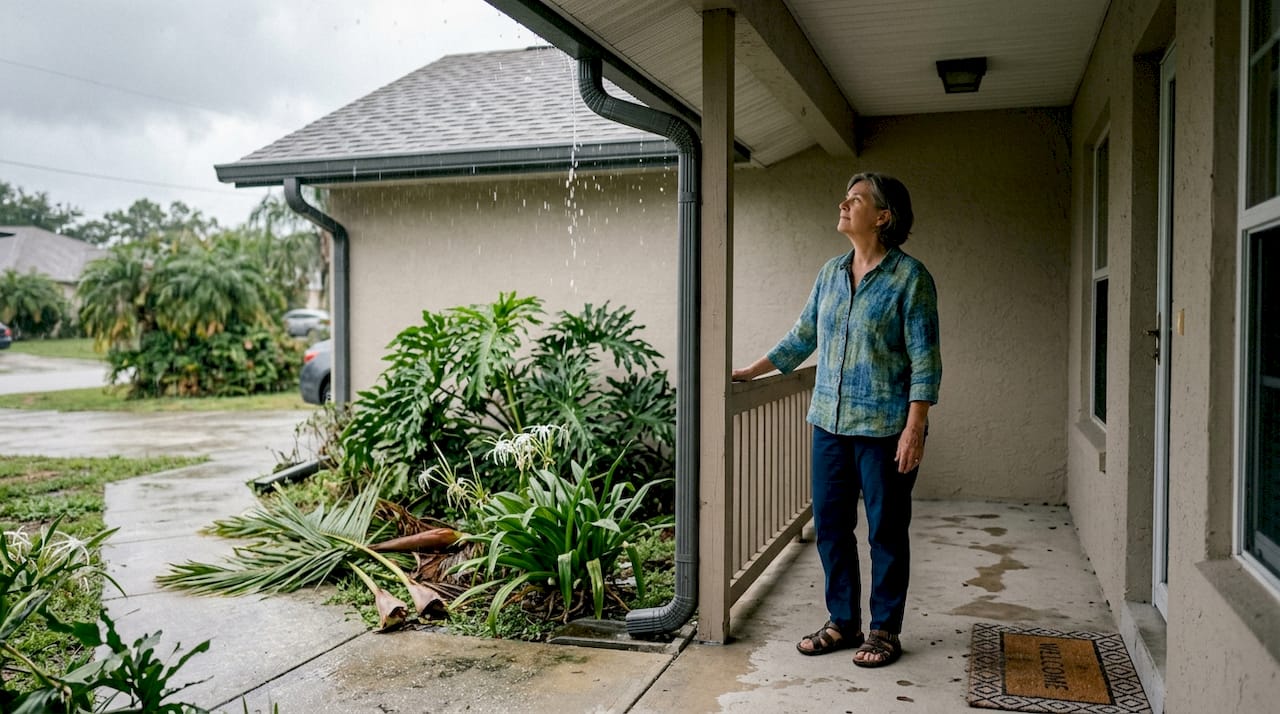
Many Florida homeowners assume gutters are optional, but Central Florida receives 54 inches of rain annually, making effective water management essential. Without proper gutter systems, heavy storms saturate soil, erode foundations, and cause expensive structural damage. This guide explains exactly how gutters protect your home, which systems work best in Florida’s climate, and the maintenance steps that keep your investment effective year after year.
Table of Contents
- Why Central Florida homes face unique water risks
- How gutters work to prevent water damage
- Choosing the right gutter system for Florida weather
- Gutter maintenance: Keeping your investment effective
- Maximizing gutter effectiveness: Local tips and common pitfalls
- Get professional help for reliable gutter protection
- Frequently asked questions
Key Takeaways
| Point | Details |
|---|---|
| Heavy rainfall risks | Central Florida’s frequent storms make effective gutter systems crucial for home protection. |
| Gutter mechanics matter | Gutters and downspouts redirect water safely away from your foundation, stopping damage before it starts. |
| Seamless and guarded systems excel | Seamless aluminum gutters with micro-mesh guards are best for minimizing leaks and debris in Florida climates. |
| Regular maintenance is key | Cleaning and inspecting gutters twice yearly avoids costly overflow and foundation problems. |
| Expert help available | Professional installation, repairs, and upgrades ensure your gutter system delivers maximum long-term protection. |
Why Central Florida homes face unique water risks
Central Florida’s weather patterns create serious challenges for homeowners. The region experiences intense rainfall concentrated in frequent storms, and this volume of water puts constant pressure on your property. When rain hits your roof without gutters to channel it away, thousands of gallons pour directly onto the ground around your foundation.
This creates multiple problems. Soil becomes saturated quickly, leading to erosion that undermines your foundation’s stability. Water seeps into crawlspaces and basements where present, causing flooding and mold growth. Your siding absorbs moisture, leading to rot and structural weakness. Even your landscaping suffers as topsoil washes away during each storm.
Many homeowners mistakenly believe Florida’s relatively flat terrain means water drains naturally. The reality is quite different. Poor drainage accelerates wear on every exterior surface of your home. Without intervention, you’re looking at:
- Foundation cracks from hydrostatic pressure
- Fascia and soffit rot from constant moisture exposure
- Siding damage and paint failure
- Landscape erosion and plant loss
- Basement or crawlspace flooding
The misconception that gutters are unnecessary in Florida costs homeowners thousands in preventable repairs. Your home needs effective protection specifically designed for this climate. Understanding these risks helps you see why investing in quality gutters isn’t optional, it’s essential for preserving your property value and avoiding costly water damage.
Pro Tip: Schedule a property inspection after heavy storms to catch early signs of water damage before they become expensive problems.
How gutters work to prevent water damage
Gutter systems function through a straightforward but critical process. Rain hits your roof and flows to the edges where gutters catch every drop. These troughs channel water horizontally along your roofline to strategically placed downspouts. The downspouts then direct water away from your foundation, preventing the soil saturation and erosion that cause structural damage.
This simple mechanism protects multiple vulnerable areas of your home simultaneously. Your foundation stays dry because water flows at least four feet away from the base. Your siding remains intact because moisture doesn’t cascade down exterior walls. Your fascia boards avoid rot since water moves through the system instead of pooling at roof edges.
Every component plays a specific role in this protection:
| Component | Function | What It Protects |
|---|---|---|
| Gutter troughs | Collect and channel roof runoff | Fascia, siding, foundation |
| Downspouts | Direct water to ground level | Foundation, basement, landscaping |
| Guards | Block debris while allowing water flow | Entire system from clogs |
| Splash blocks | Disperse water at ground level | Soil, foundation perimeter |
| Hangers | Secure gutters to fascia | Structural integrity of system |
The effectiveness of your gutter system depends on proper installation and maintenance. Each section must slope correctly toward downspouts, typically one quarter inch per ten feet of run. Downspouts need adequate capacity for your roof size, usually one downspout per 35 feet of gutter.
“A well-designed gutter system moves thousands of gallons away from your home during a single storm, preventing damage that would cost exponentially more to repair than the system itself.”
When gutters fail or become clogged, the protection disappears instantly. Water overflows at the weakest points, often directly onto areas you’re trying to protect. This is why understanding the mechanics matters. You need to know what’s working correctly and what requires attention.
Choosing the right gutter system for Florida weather
Not all gutter systems perform equally in Central Florida’s demanding climate. The choice between sectional and seamless gutters significantly impacts long-term reliability. Sectional gutters connect multiple pieces with joints that become leak points during heavy rainfall. Seamless gutters eliminate most joints, creating a continuous channel that handles intense storms without failing.
Material selection matters just as much. Aluminum dominates Florida installations for good reasons. It resists rust in our humid environment, weighs less than steel while maintaining strength, and costs less than copper while lasting decades. The lightweight nature also reduces stress on your fascia boards.
Gutter guards add another layer of protection, but not all types work well here. Micro-mesh guards block pine needles, oak leaves, and the small debris common in Central Florida while allowing water to flow freely. Screen guards and reverse curve systems often fail with our specific debris types.
| System Type | Leak Risk | Typical Lifespan | Maintenance Needs | Cost Range |
|---|---|---|---|---|
| Sectional | High | 15-20 years | Quarterly cleaning | Low |
| Seamless aluminum | Low | 20-30 years | Bi-annual cleaning | Medium |
| Seamless with micro-mesh | Very low | 25-35 years | Annual inspection | High |
| Copper seamless | Very low | 50+ years | Annual inspection | Very high |
The upfront cost difference between systems often misleads homeowners. A seamless aluminum system with micro-mesh guards costs more initially but requires less maintenance and lasts longer. When you factor in cleaning costs and potential water damage from failed sectional gutters, the investment pays for itself.
Consider your specific property needs when selecting materials. Homes with significant tree coverage benefit most from micro-mesh protection. Properties in areas with intense afternoon storms need the leak resistance of seamless construction. Your roof size and pitch also influence the capacity requirements for both gutters and downspouts.
Pro Tip: Even with premium micro-mesh guards, budget for annual professional inspections. No guard system eliminates all maintenance, and catching small issues early prevents expensive repairs later.
Gutter maintenance: Keeping your investment effective
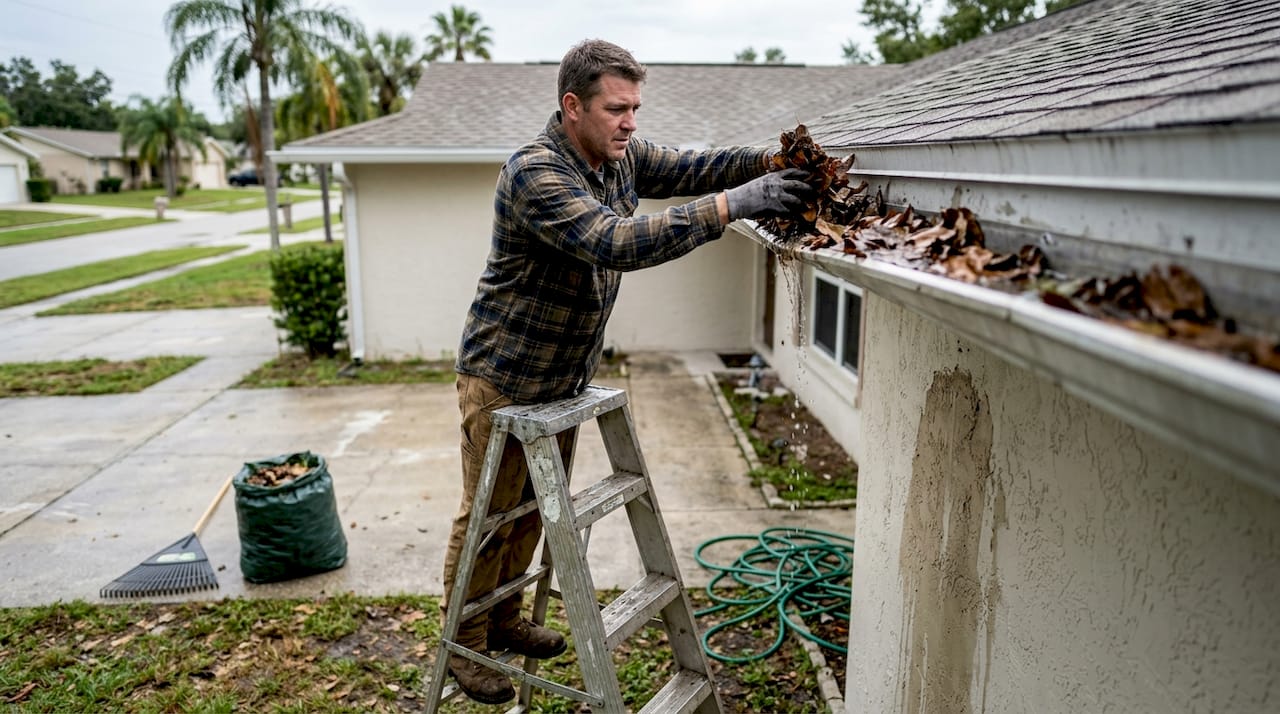
Even the highest quality gutter system fails without proper maintenance. Neglect turns a protective asset into a liability faster than most homeowners realize. Clogged gutters cause overflow that leads to fascia rot, siding damage, and the exact foundation problems you installed gutters to prevent.
Central Florida’s climate demands a specific maintenance approach. Our heavy rainfall combined with year-round plant growth means debris accumulates constantly. You need a systematic plan that addresses both routine care and storm-related inspections.
Follow this annual maintenance checklist:
- Spring cleaning removes winter debris and prepares for summer storms
- Fall cleaning clears leaves before winter rainfall increases
- Post-storm inspections catch damage while repairs remain simple
- Downspout testing ensures water flows freely to ground level
- Fastener checks prevent sagging that creates standing water
Between professional cleanings, watch for warning signs. Water spilling over gutter edges during rain indicates clogs or improper slope. Stains on siding below gutters show chronic overflow problems. Pooling water near your foundation means downspouts aren’t directing flow far enough away.
Gutter guards reduce cleaning frequency but don’t eliminate the need entirely. Micro-mesh systems block most debris, yet fine particles still accumulate over time. Plan for professional inspection at least annually, even with premium guards installed.
Your maintenance routine should include:
- Removing all visible debris from troughs
- Flushing downspouts with a garden hose
- Checking for leaks at seams and end caps
- Tightening loose hangers and brackets
- Verifying proper slope toward downspouts
- Inspecting splash blocks and extensions
The cost of neglect far exceeds maintenance expenses. A single season of clogged gutters can cause thousands in water damage. Foundation repairs start at several thousand dollars. Fascia replacement runs hundreds per section. Compare that to a few hundred dollars for annual professional maintenance and inspection.
Pro Tip: Take photos during each inspection to track changes over time. This visual record helps you spot gradual problems like sagging or separation before they become emergencies.
Maximizing gutter effectiveness: Local tips and common pitfalls
Knowing how gutters work is one thing. Making them perform optimally in Central Florida’s unique conditions requires attention to details many homeowners overlook. Small mistakes compound over time, turning an effective system into an expensive problem.
Start with downspout placement and extensions. Water must discharge at least four feet from your foundation, preferably onto a slope that carries it further away. Many installations place downspouts too close to the house or skip extensions entirely. This defeats the entire purpose of your gutter system.
Avoid these common mistakes:
- Using uncoated steel fasteners that rust in Florida’s humidity
- Installing gutters without adequate slope for drainage
- Skipping splash blocks or underground drainage pipes
- Ignoring small leaks that grow into major failures
- Assuming guards eliminate all maintenance needs
After severe weather, inspect your system even if you have guards installed. High winds dislodge hangers, heavy rain reveals inadequate capacity, and flying debris damages guards and troughs. A quick check after each major storm catches problems while they’re still minor.
Professional inspections every two to three years provide value beyond DIY checks. Experienced technicians spot subtle issues like improper pitch, undersized downspouts, or failing sealant at seams. They also identify when partial replacement makes more sense than continued repairs.
“Most water damage begins with minor overflow or small leaks that homeowners notice but postpone addressing. By the time the problem becomes obvious, repair costs have multiplied several times over.”
Your gutter system works as part of your home’s overall water management. Grading around your foundation, proper landscaping, and functional drainage all contribute to keeping water away from vulnerable areas. Gutters handle roof runoff, but you need comprehensive protection.
Consider upgrading if your current system shows these signs:
- Frequent overflows during moderate rainfall
- Multiple leak points requiring constant repair
- Visible rust or corrosion on aluminum components
- Sagging sections that hold standing water
- Inadequate capacity for your roof size
The investment in quality materials and professional installation pays dividends through decades of reliable protection. Cheap systems and DIY installations often cost more long-term through repeated repairs and water damage. Choose solutions designed for Florida’s climate and backed by experienced local professionals who understand regional challenges.
Regular attention to your gutter system prevents the cascade of problems that start with simple neglect. A few hours of maintenance annually protects your largest investment and gives you peace of mind during storm season.
Get professional help for reliable gutter protection
You now understand how gutters protect your home and what makes systems effective in Central Florida’s challenging climate. Putting this knowledge into action means choosing solutions that match your property’s specific needs and working with professionals who deliver lasting results.
We specialize in seamless gutter installation designed specifically for Florida homes. Our systems handle heavy rainfall while requiring minimal maintenance, giving you protection that works year after year. Whether you need a complete installation, gutter guard upgrades, or repairs to an existing system, we provide solutions backed by local expertise and quality materials.

Explore our detailed guides for downspout installation best practices and gutter guard workflows that ensure proper protection. If you’re dealing with leaks or overflow, our guide on fixing gutter leaks walks you through solutions. For comprehensive protection, contact us for a free consultation where we assess your property and recommend systems that fit your budget and requirements.
Frequently asked questions
Why are gutters especially important in Central Florida?
Central Florida receives 54 inches of rain annually with frequent intense storms, putting homes at high risk for foundation erosion and siding damage without proper water control systems.
Do gutter guards eliminate the need for cleaning?
Gutter guards reduce cleaning frequency but don’t eliminate maintenance entirely. Annual inspections remain necessary, especially after heavy storms, to ensure optimal performance.
What are signs my gutters aren’t working properly?
Watch for overflowing water during rain, stains on siding below gutters, pooling near your foundation, or visible sagging and leaks in the system.
How often should I schedule gutter maintenance in Florida?
Clean gutters twice yearly at minimum, typically in spring and fall, plus inspect after major storms to maintain effectiveness and catch problems early.
Why are seamless gutters recommended over sectional for Florida homes?
Seamless gutters have fewer leak points than sectional systems, making them significantly more reliable during Florida’s intense rainstorms and reducing long-term maintenance needs.
Recommended
- Gutter Maintenance Checklist: Preventing Florida Water Damage
- Why clean gutters prevent water damage in Central Florida
- Gutter Troubleshooting: Prevent Water Damage in Florida
- Florida Gutter Solutions Guide: Protect Your Home Easily
- Waterproofing Checklist for Homeowners: Complete Guide
- Gutter Services The Villages FL
