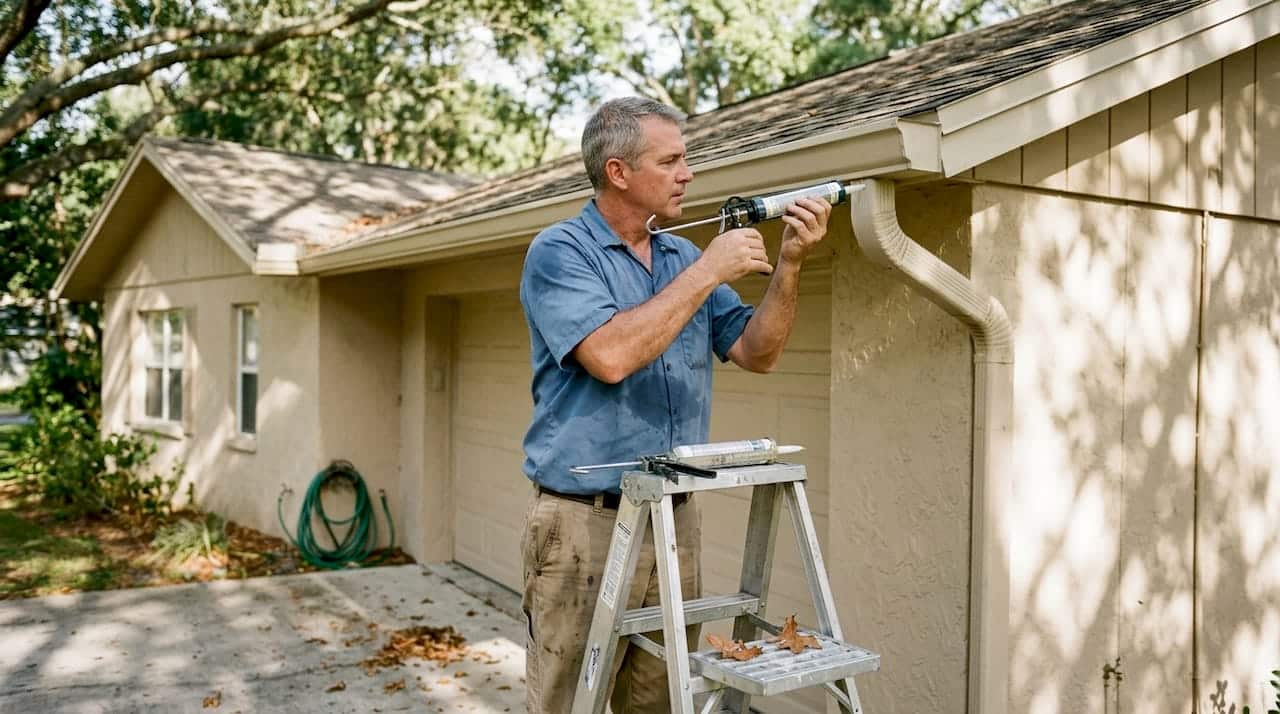
Most Central Florida homeowners think gutters alone are enough to protect their homes from water damage, but there’s a hidden component that determines whether your investment stands strong or crumbles under pressure. Gutter sealant is the invisible shield that prevents thousands of dollars in foundation erosion, roof damage, and mold growth by stopping water escapes at vulnerable joints and seams. In a region where intense rainfall, brutal UV exposure, and relentless humidity create the perfect storm for gutter failures, understanding this critical material becomes the difference between a secure home and costly emergency repairs. This guide will walk you through everything you need to know about gutter sealant, from choosing the right type for Florida’s climate to mastering application techniques that ensure your home stays protected year after year.
Table of Contents
- Key takeaways
- What is gutter sealant and why is it important?
- Types of gutter sealants and choosing the best for Central Florida homes
- How to apply gutter sealant correctly: step-by-step guide for Central Florida homeowners
- Common challenges and tips for long-lasting gutter sealant in Central Florida
- Protect your home with expert gutter solutions from Larry’s Gutters
- Frequently asked questions about gutter sealant
Key Takeaways
| Point | Details |
|---|---|
| Sealant purpose | Gutter sealant creates a waterproof barrier at seams and joints to prevent water damage to the home. |
| Central Florida urgency | In intense rainfall, high humidity, and strong UV exposure, proper sealing protects the foundation, fascia, and interior from water damage. |
| Sealant options for Florida | Tripolymer, silicone, polyurethane, butyl rubber, and liquid rubber are common choices, each with pros and climate suitability. |
| Seamless gutters reduce sealing needs | Seamless gutters reduce the number of joints and thus lower the sealing requirements. |
| Maintenance and prep steps | Follow proper surface preparation and application steps to ensure durable sealant performance in Florida’s climate. |
What is gutter sealant and why is it important?
Gutter sealant is a specialized adhesive applied to seams, joints, end caps, and leaks in rain gutters to create a waterproof barrier preventing water escape and damage to home structures. This material serves as your home’s first line of defense against water infiltration at the most vulnerable points where gutter sections meet. Without proper sealing, even the highest quality gutters become pathways for water to reach your foundation, fascia boards, and interior walls.
The importance of gutter sealant amplifies dramatically in Central Florida’s climate. Intense rainfall dumps several inches of water in short periods, overwhelming any weak points in your gutter system. The region’s relentless humidity keeps moisture present constantly, accelerating deterioration of unsealed joints. Brutal UV exposure breaks down inferior materials within months, creating gaps that expand with each storm. These conditions make proper sealing not just recommended but essential for home protection.
Common problems emerge quickly when sealant fails or goes missing. Water escapes through unsealed joints and cascades down exterior walls, saturating the ground around your foundation. This constant moisture exposure leads to foundation erosion that can cost $300 to $1,500 to repair, depending on severity. Fascia boards rot from repeated water contact, requiring expensive carpentry work. Mold colonies establish themselves in damp areas, creating health hazards and remediation expenses. The roof edge suffers damage as water backs up into vulnerable areas during heavy downpours.
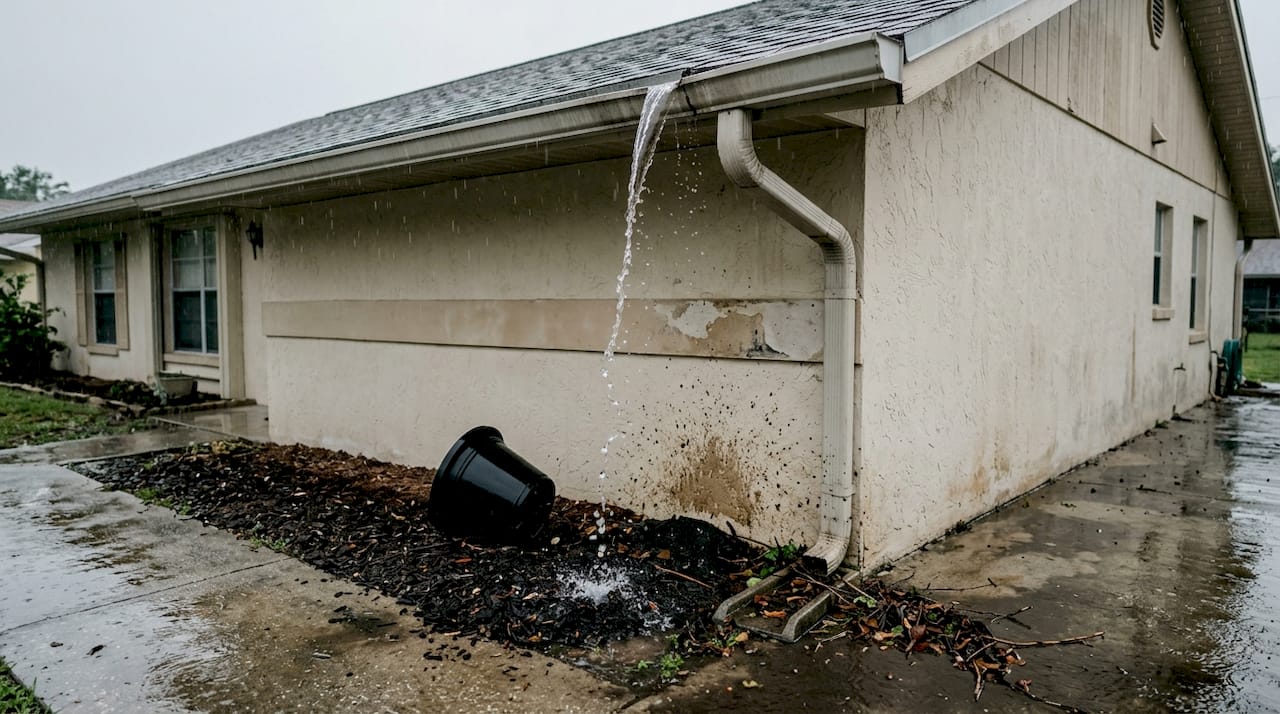
Proper sealant use extends gutter life significantly while protecting your entire home structure. A well-sealed gutter system channels water exactly where it should go, away from your foundation and landscaping. This protection preserves your home’s structural integrity and prevents the cascading failures that turn minor leaks into major renovation projects. For Central Florida homeowners, investing in quality sealant and correct application techniques means avoiding the costly damage that comes from our unique climate challenges.
Types of gutter sealants and choosing the best for Central Florida homes
Understanding common types like tripolymer, silicone, polyurethane, butyl rubber, and liquid rubber helps you select the right product for your specific gutter material and climate conditions. Each sealant type offers distinct advantages and limitations that affect long-term performance. Making an informed choice based on material compatibility, durability benchmarks, and local climate factors ensures your investment delivers maximum protection.
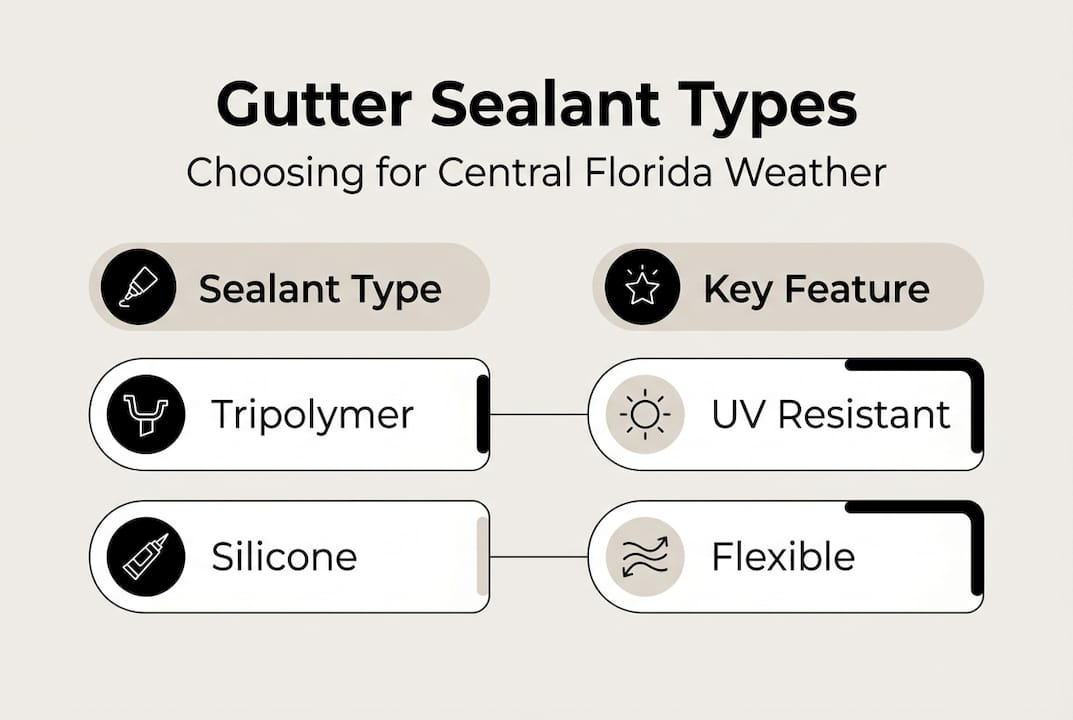
Tripolymer sealants like Geocel 2320 seal all gutter materials effectively, offering excellent flexibility and adhesion across aluminum, vinyl, steel, and copper. These products cure in approximately five days and provide strong bonds that withstand temperature fluctuations. Silicone sealants deliver 10 years of protection with excellent mold resistance and joint flexibility, making them ideal for Central Florida’s humid environment. The material maintains elasticity through extreme temperature swings, preventing cracks that develop in rigid sealants.
Polyurethane sealants create exceptionally strong bonds and resist abrasion well, though they require completely dry surfaces and cure more slowly than other options. Butyl rubber offers 5 to 10 years of reliable service with good flexibility, particularly effective for hidden seams where compression seals work best. Liquid rubber sealants cure quickly in 24 to 48 hours and create seamless waterproof membranes, perfect for emergency repairs when time matters.
| Sealant Type | Durability | Application Ease | Cost Range | Best Use |
|---|---|---|---|---|
| Tripolymer | 10-15 years | Moderate | $8-$15 | All materials, general purpose |
| Silicone | 10-20 years | Easy | $6-$12 | UV exposure, high flexibility needs |
| Polyurethane | 15-20 years | Difficult | $10-$18 | Heavy-duty applications, dry climates |
| Butyl Rubber | 5-10 years | Moderate | $5-$10 | Hidden seams, compression seals |
| Liquid Rubber | 8-12 years | Easy | $12-$20 | Emergency repairs, large areas |
Central Florida’s climate demands specific sealant characteristics for reliable long-term performance. UV resistance tops the priority list, as intense sunlight degrades unprotected materials within months. Flexibility matters equally, allowing sealant to expand and contract through temperature changes without cracking or pulling away from joints. Humidity tolerance prevents premature breakdown from constant moisture exposure that would destroy lesser products.
Pro Tip: Choose sealants explicitly labeled for UV resistance and flexibility to prevent cracking and peeling in intense Florida sun. Products designed for marine or coastal applications often exceed standard requirements and deliver superior performance in our challenging conditions. Look for cure times that match your weather window, as afternoon thunderstorms can compromise fresh applications before they set properly. Consider which gutters work best with your chosen sealant for optimal system performance.
How to apply gutter sealant correctly: step-by-step guide for Central Florida homeowners
Mastering proper application methodology creates watertight seals that withstand years of Florida weather abuse. Each step builds on the previous one, creating conditions for optimal adhesion and longevity. Skipping or rushing any phase compromises the entire seal, leading to premature failure and wasted effort. Following this systematic approach ensures professional results that protect your home effectively.
- Thoroughly clean all gutter surfaces by removing leaves, debris, dirt, and old deteriorated sealant using a wire brush and putty knife. Residue prevents new sealant from bonding properly, creating weak spots that fail under pressure. Flush the area with water and inspect for any remaining contamination that could interfere with adhesion.
- Ensure surfaces are completely dry before applying any sealant, as moisture ruins the chemical bond between material and metal. Use clean rags to wipe down all areas, then wait several hours in sunny weather for complete evaporation. Florida’s humidity makes this step particularly critical, as surface moisture persists longer than in drier climates.
- Insert backer rod into large gaps exceeding 1/4 inch width to fill space properly and provide backing for sealant application. This foam material prevents sealant from sinking into deep voids where it cannot create proper seals. Press the rod firmly into place, leaving a slight depression for sealant coverage.
- Apply a continuous bead of sealant using a caulk gun held at a 45-degree angle, moving steadily along joints and seams without stopping. Consistent pressure creates uniform coverage that eliminates weak spots. Overlap slightly at corners and transitions to ensure complete protection.
- Smooth the sealant immediately with a specialized tool or wet finger to shape a concave profile that sheds water effectively. This finishing step removes air pockets and ensures full contact with both surfaces. The concave shape channels water away from the joint rather than allowing it to pool.
- Allow proper cure time of 24 to 48 hours before exposing sealed areas to rain or water flow. Premature water contact washes away uncured sealant or creates weak bonds that fail quickly. Check weather forecasts carefully and plan application during dry periods.
Pro Tip: In Florida’s fast skinning heat, apply sealant in cooler morning hours to avoid trapping uncured material under hardened surface layers. Early application gives products time to cure properly before afternoon heat accelerates surface hardening. This timing prevents the sticky, never-curing failures common with afternoon applications in summer heat.
Inspect your sealed gutters biannually during spring and fall to catch developing problems early. Look for cracks, gaps, or areas where sealant has pulled away from surfaces. Plan to reseal completely every five years as part of preventive maintenance, even if visible problems have not appeared. This proactive approach, detailed in our maintenance checklist, prevents emergency repairs and extends system life significantly.
Common challenges and tips for long-lasting gutter sealant in Central Florida
Navigating the unique obstacles Central Florida presents requires understanding where sealant applications typically fail and how to prevent those failures. Our climate creates conditions that accelerate degradation and expose poor workmanship quickly. Learning from common mistakes helps you avoid costly do-overs and achieve durable results from the start.
Common application errors undermine even premium sealants. Applying products to wet or dirty surfaces ranks as the top cause of premature failure, as contamination prevents proper adhesion from the beginning. Selecting the wrong sealant type for your gutter material creates incompatibility issues where chemical bonds never form correctly. Using low-quality products to save a few dollars results in UV damage within months, requiring complete reapplication.
Florida’s intense sun causes fast skinning that traps uncured material underneath hardened surface layers. This phenomenon creates a permanently sticky mess that never fully cures or provides reliable waterproofing. The problem intensifies during afternoon applications when temperatures peak and humidity remains high. Surface hardening occurs within minutes while interior material remains liquid, leaving you with a failed seal that looks complete.
Material selection strategies differ based on joint visibility and accessibility. Butyl tape offers superior performance for hidden seams where compression seals work best, providing long-term flexibility that accommodates thermal expansion. Tube sealants excel for exposed areas and visible joints where you need precise application and smooth finishing. Understanding these distinctions helps you choose the right product for each specific application.
Cheap caulks crack and fail after a single season of Florida weather, requiring annual reapplication that costs more in labor than premium products would have cost initially. Quality sealants last 5 to 20 years with correct application, delivering reliable protection that justifies higher upfront investment. The difference in longevity and performance makes premium products the only sensible choice for long-term home protection.
- Avoid applying sealant during high heat or humidity periods when flash skinning occurs
- Match sealant chemistry to your specific gutter material for optimal bonding
- Invest in UV-resistant formulations designed for continuous sun exposure
- Secure loose seams with mechanical fasteners before sealing, as sealant provides waterproofing but not structural support
- Consider seamless gutters to eliminate most sealing requirements entirely
Seamless gutters minimize joints dramatically, reducing sealing needs to just corners and end caps. This design advantage cuts maintenance requirements while improving reliability, making seamless systems the preferred choice for Central Florida homes. Fewer joints mean fewer potential failure points and less ongoing maintenance to keep your system functioning properly.
Expert installers emphasize that proper surface preparation matters more than sealant brand selection in Florida’s challenging climate. A premium product applied to contaminated surfaces fails faster than a mid-grade sealant applied correctly to clean, dry materials. Invest your time in thorough preparation rather than rushing to application, and your results will reflect that patience with years of reliable service.
Protect your home with expert gutter solutions from Larry’s Gutters
While DIY sealing can address minor issues, professional installation delivers the comprehensive protection your Central Florida home deserves. Larry’s Gutters specializes in seamless gutter systems that eliminate most sealing requirements from the start, offering custom-fit solutions engineered for our region’s intense rainfall and humidity. Our expert installers understand the nuances of proper sealing techniques, surface preparation, and material selection that ensure long-lasting performance.

Seamless gutters from Larry’s Gutters minimize leak points and reduce ongoing maintenance needs dramatically compared to sectional systems. Professional installation guarantees correct pitch, secure mounting, and proper sealing at the few joints that remain. Our team uses premium sealants specifically chosen for Florida’s UV exposure and temperature extremes, applying them with techniques refined through years of local experience. Explore our resources on seamless gutter value, learn about our detailed installation process, and discover proven leak repair methods that protect homes throughout Lake, Marion, and Sumter counties. Contact our local experts today for personalized service that keeps your home dry and your foundation secure.
Frequently asked questions about gutter sealant
Why is gutter sealant important for homes in Florida?
Florida’s intense rainfall, high humidity, and brutal UV exposure create conditions that exploit every weak point in gutter systems. Sealant prevents water escapes at joints and seams that would otherwise cause foundation erosion, fascia rot, and mold growth. Without proper sealing, even one season of Florida weather can create thousands of dollars in structural damage.
How often should I reseal my gutters in Central Florida?
Inspect your gutter seals twice yearly during spring and fall to catch developing problems early. Plan complete resealing every five years as preventive maintenance, even if visible damage has not appeared. Florida’s harsh conditions accelerate sealant degradation faster than milder climates, making this proactive schedule essential for reliable protection.
Can I apply gutter sealant myself or should I hire a professional?
Homeowners with proper tools and patience can successfully seal small sections and repair minor leaks following correct procedures. However, whole-system sealing or seamless gutter installation requires professional expertise to ensure proper surface preparation, material selection, and application techniques. Professional installation also provides warranties and guarantees that protect your investment.
What types of sealant last longest in hot, humid climates?
Silicone and tripolymer sealants deliver the best performance in Florida conditions, offering 10 to 20 years of reliable service with proper application. These materials resist UV degradation, maintain flexibility through temperature swings, and tolerate constant humidity exposure. Look specifically for products labeled for marine or coastal applications, as they exceed standard requirements for durability.
How do seamless gutters reduce the need for gutter sealant?
Seamless gutters eliminate joints along straight runs, leaving sealing requirements limited to corners, downspout connections, and end caps. This design reduces potential leak points by 70% or more compared to sectional systems. Fewer seams mean less maintenance, lower long-term costs, and more reliable water management for your home’s protection.
