TL;DR:
- Most Florida homes underestimate the importance of properly designed gutter systems, risking costly water damage. Seamless, aluminum gutters are highly recommended to handle Florida’s frequent, heavy rainfalls and tropical storms efficiently. Regular maintenance and region-specific solutions are essential for protecting foundations, siding, and landscaping from persistent moisture and erosion issues.
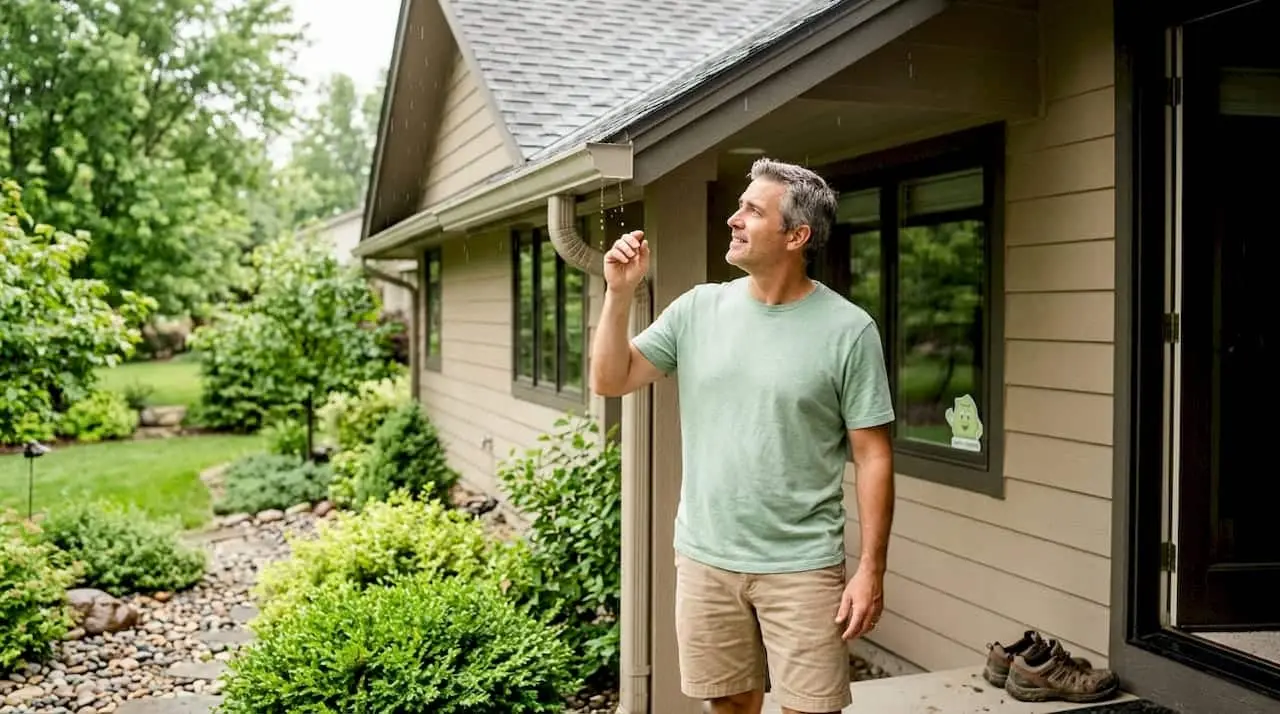
Florida homeowners often assume that a basic gutter setup is good enough to handle whatever the sky throws at them. That assumption costs thousands of dollars in repairs every year. Central Florida averages over 54 inches of rainfall annually, and during summer storm season, a single afternoon downpour can dump several inches in under an hour. Without a gutter system designed for those conditions, rainwater doesn’t just roll off your roof harmlessly. It slams into your soil, pools around your foundation, soaks into your siding, and quietly causes damage that compounds over months and years.
Table of Contents
- What is a residential gutter system?
- Common types of residential gutter systems
- Why gutter systems matter: Preventing water damage in Central Florida
- Key maintenance and upgrade tips for Central Florida homeowners
- The overlooked importance of region-specific gutter solutions
- Explore gutter solutions tailored to Central Florida homes
- Frequently asked questions
Key Takeaways
| Point | Details |
|---|---|
| Florida-specific design matters | Central Florida gutter systems must address heavy rain, humidity, and local debris. |
| Choose seamless for fewer leaks | Seamless gutters offer superior leak prevention and durability, ideal for Florida conditions. |
| Regular maintenance is essential | Cleaning and checking gutters twice yearly keeps your home safe from water damage. |
| Upgrades add protection | Features like gutter guards and proper drainage minimize future risks and repairs. |
| Professional help maximizes results | Expert installers ensure your gutter system is optimized for Central Florida homes. |
What is a residential gutter system?
A residential gutter system is a network of channels, pipes, and supports installed along the roofline of a home to capture rainwater as it runs off the roof and direct it away from the structure. Think of it as the drainage highway for your home. Without it, water has nowhere to go except straight down the sides of your house and into the ground immediately surrounding your foundation.
The gutter system components that make up a complete residential setup include several key parts, each with a specific role:
- Gutters: The horizontal channels that run along the roofline and collect runoff from the roof surface.
- Downspouts: Vertical pipes attached to the gutters that carry water from the roof level down to the ground or drainage system.
- Hangers: Metal brackets that fasten the gutters to the fascia board (the flat board behind the gutter, attached to the roof’s edge). Hangers keep everything level and secure.
- Elbows: Curved fittings that redirect water flow around corners or transitions.
- Splash blocks: Flat slabs placed at the base of downspouts to prevent soil erosion directly beneath the water exit point.
Without any one of these components functioning properly, the whole system suffers. A loose hanger lets the gutter sag and pool water instead of draining it. A missing splash block turns every rainstorm into a targeted erosion event right next to your foundation. In Florida, where heavy rain is not a seasonal curiosity but a near-daily event in summer, every component matters.
Here’s a quick look at common gutter materials and how well they hold up in Florida’s climate:
| Material | Average Lifespan | Rust Resistance | Cost Range | Florida Suitability |
|---|---|---|---|---|
| Aluminum | 20 to 30 years | Excellent | Moderate | Highly recommended |
| Vinyl | 10 to 20 years | Excellent | Low | Fair (can warp in heat) |
| Copper | 50 to 100 years | Excellent | High | Excellent but costly |
| Galvanized steel | 10 to 15 years | Poor | Moderate | Not ideal (prone to rust) |
Aluminum is the most popular choice in Central Florida for good reason. It resists rust, handles humidity well, and is lightweight enough to reduce stress on the fascia boards. Copper is exceptional but carries a price premium that most homeowners reserve for custom or historic homes.
Common types of residential gutter systems
With the basics covered, it’s useful to know which gutter system types are available and which are best suited for Florida homes.
The two primary categories of gutters are seamless and sectional, and the differences between them matter more than most homeowners realize.
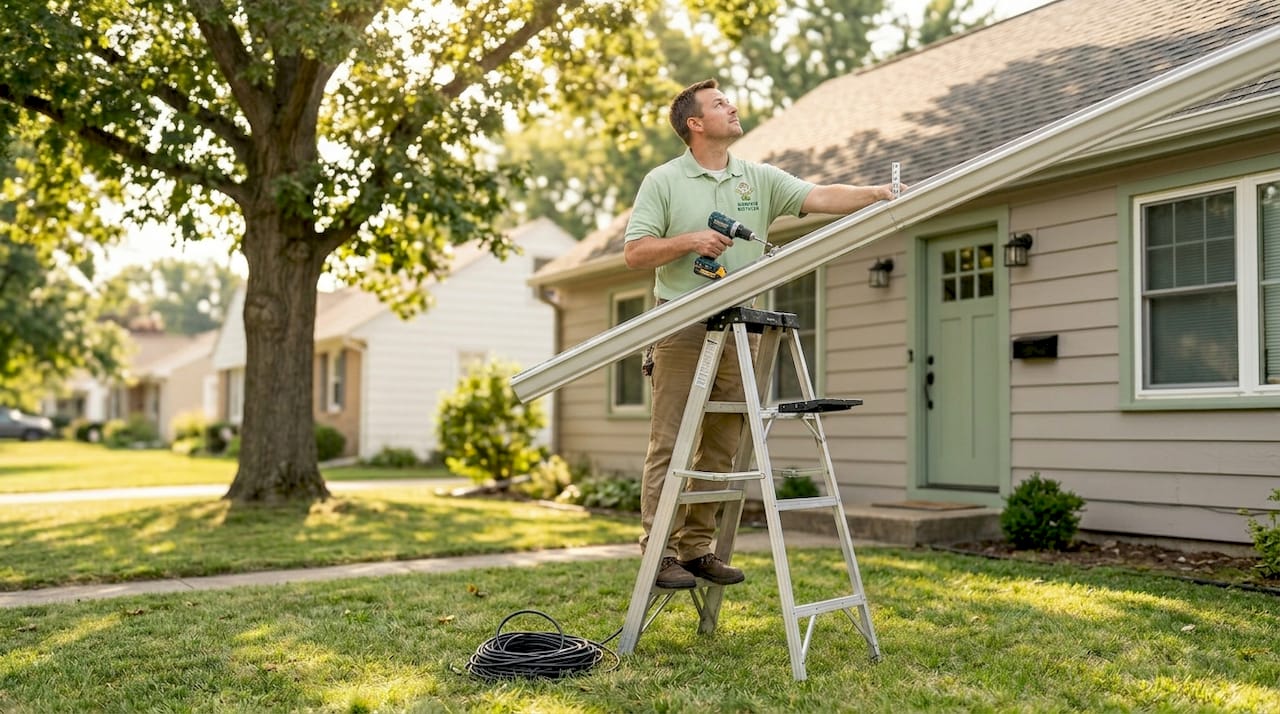
Seamless gutters are formed from a single continuous piece of material, custom cut to fit the exact length of your roofline. There are no joints or seams along the run except at the corners and downspout connections. Sectional gutters are pre-cut pieces that are joined together on site, which means multiple connection points where water can leak over time.
Here’s how the two compare across key performance areas:
| Feature | Seamless gutters | Sectional gutters |
|---|---|---|
| Leak risk | Very low | Higher (seams are weak points) |
| Installation | Professional only | DIY possible |
| Customization | Exact fit to your home | Standard lengths, trimmed on site |
| Long-term cost | Lower (fewer repairs) | Higher (more maintenance) |
| Appearance | Clean, streamlined | Visible seams |
The material choice stacks on top of this decision. Here are the main options with their key trade-offs:
- Aluminum seamless gutters: Lightweight, rust resistant, affordable, and widely available in Central Florida. The clear top choice for most residential projects.
- Vinyl gutters: Cheap upfront, but Florida’s intense UV exposure and heat can cause vinyl to warp, crack, and pull apart at seams within a few years.
- Copper gutters: Extremely durable and visually striking. They develop a natural patina that protects the metal. Best for homeowners prioritizing longevity over initial cost.
- Galvanized steel gutters: Strong but vulnerable to rust in Florida’s humid, salt-air environment. Generally not a wise investment here.
The gutter system basics that apply across the country shift significantly when you factor in Florida-specific conditions. Different types of gutter systems are not equally suited to the demands of tropical storms, relentless humidity, and abundant tree debris from palms and oaks.
Pro Tip: If you are choosing between seamless and sectional gutters in Florida, go seamless. Sectional gutters may work fine in drier climates where rain is mild and infrequent. But in Central Florida, heavy downpours push water through even the smallest gaps at seam joints. Seamless gutters eliminate that vulnerability entirely, which means fewer repairs and fewer surprises during storm season.
Why gutter systems matter: Preventing water damage in Central Florida
After exploring the types and functions, let’s focus on why well-designed gutter systems are critical for the unique challenges that Central Florida homeowners face every year.
Florida’s rainy season typically runs from June through September, with afternoon thunderstorms arriving with near-clockwork regularity. But the risk doesn’t disappear outside those months. Tropical systems and cold-front rain events bring significant water throughout the year. Without gutters that match that intensity, you leave your home exposed to a cascade of interconnected damage types.
“Water damage from inadequate drainage is one of the most common and preventable causes of structural deterioration in Florida homes. The combination of heavy rainfall, high humidity, and sandy soil creates conditions where foundation and siding damage can escalate quickly without proper gutter management.”
The threats that good gutters actively prevent include:
- Foundation flooding: When water pools around the base of your home instead of draining away, it saturates the soil and creates hydrostatic pressure against your foundation. Over time, this leads to cracking, shifting, and in severe cases, structural failure.
- Soil erosion: Without a gutter system directing water to a controlled exit point, falling rain and roof runoff carve channels through your landscaping and remove the topsoil that stabilizes your yard and plant beds.
- Siding rot and staining: Water that splashes back off the ground or runs down unprotected walls deteriorates wood siding, warps trim, and creates the dark staining that ages a home’s exterior rapidly.
- Mold and mildew growth: Florida’s humidity accelerates mold development anywhere moisture lingers. Wet walls and damp crawlspaces become breeding grounds for mold that can spread into your living space.
- Pest infestation: Standing water and damp wood attract mosquitoes, termites, carpenter ants, and other pests that cause additional structural damage and health concerns.
Keeping your gutters functioning at full capacity requires regular attention. Your gutter maintenance and safety routine should prioritize clearing debris before it has a chance to create blockages. Blocked gutters overflow, and overflowing gutters are nearly as useless as no gutters at all. Use a complete gutter maintenance checklist to stay organized and avoid missing steps that lead to expensive repairs.
Understanding how gutters prevent water damage is not just theoretical knowledge. It translates directly into decisions about how often you clean, when you schedule inspections, and how quickly you respond to early signs of gutter failure.
Key maintenance and upgrade tips for Central Florida homeowners
With water damage risks clear, the next step is maintaining and upgrading your gutter system for maximum reliability through every season.
Florida’s environment is harder on gutters than most. Spanish moss, palm fronds, oak leaves, and wind-blown debris fill gutters faster here than in most other parts of the country. The high humidity also accelerates oxidation of metal components and promotes the organic buildup inside gutters that traps moisture and adds weight that strains hangers.
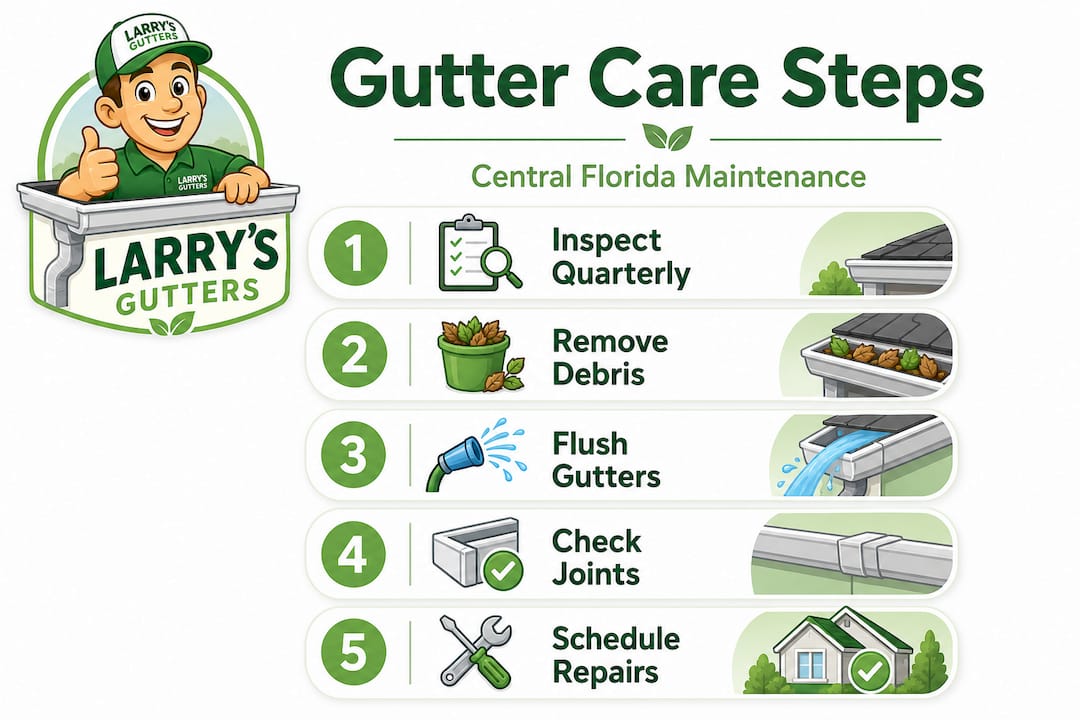
Here is a maintenance task list tailored specifically to Central Florida conditions:
- Clean gutters at least twice a year, with additional cleanings after major storms or during heavy leaf-fall periods in late fall.
- Inspect all downspout connections after each storm season to confirm joints are tight and water is exiting at the intended locations.
- Check hanger screws and brackets for looseness or rust. Re-anchor any that have pulled away from the fascia board before the next rainy season.
- Clear downspout openings at both the top and bottom. A clogged downspout backs up water into the gutter trough and causes overflows.
- Look for standing water in the gutter trough after rain. Any pooling indicates a slope problem. Gutters should pitch toward downspouts at roughly a quarter inch of drop for every 10 feet of run.
- Inspect fascia boards for soft spots or rot behind the gutters. Damaged fascia cannot hold gutters securely and needs to be addressed before rehanging gutter sections.
For preventative upgrades that reduce the maintenance burden and improve performance, consider:
- Gutter guards: Mesh or micro-mesh covers that sit over the top of the gutter opening and allow water in while blocking leaves and debris. They do not eliminate cleaning entirely but significantly reduce the frequency.
- Larger downspouts: Standard 2 by 3 inch downspouts may not handle Florida storm flows adequately. Upgrading to 3 by 4 inch downspouts improves drainage speed during heavy rain events.
- Extended downspout leaders: These direct water further from the foundation, reducing the risk of pooling near the house.
- Splash blocks or underground drainage connections: Both options manage where water lands after it exits the downspout, protecting soil and landscaping.
Staying on top of a 2026 maintenance checklist helps you plan ahead rather than react to problems. Review gutter safety tips before climbing ladders, and never skip the post-storm walk-around that catches early signs of damage. Regular gutter maintenance is not optional in Florida. It is the difference between a gutter system that performs and one that quietly fails while you think everything is fine.
Pro Tip: Schedule a gutter inspection and cleaning in late May, just before Florida’s rainy season peaks. That single step ensures your system is clear and fully functional when it will be working hardest. A partially clogged gutter in June can overflow repeatedly through the entire summer, causing foundation and landscaping damage that far outweighs the cost of a simple spring cleaning.
The overlooked importance of region-specific gutter solutions
Here is an opinion that might surprise you: most of the gutter advice you find online is written as if gutters are a universal product that performs the same everywhere. It isn’t. A gutter system that works beautifully in Portland, Oregon would be failing within a few years in Orlando.
The generic advice problems break down into a few recurring patterns. National home improvement guides often recommend vinyl gutters for their low cost and ease of DIY installation. That advice makes sense in mild climates. In Central Florida, vinyl gutters expand in summer heat, contract overnight, and the repeated stress cracks seams and loosens joints. The money saved upfront evaporates in repairs within a few seasons.
Another common piece of generic advice is to clean gutters “twice a year in spring and fall.” That schedule works in regions with predictable seasonal leaf fall. In Central Florida, Spanish moss drops year-round, oak trees shed continuously, and summer storms deposit debris in every gutter trough after each significant event. A twice-a-year cleaning schedule here is dangerously insufficient.
The right approach requires local knowledge. What pitch angle maximizes drainage given Florida’s rainfall intensity? Which downspout sizing handles a Category 1 tropical storm without overflowing? Which gutter guard mesh is fine enough to block the pollen and debris common to Central Florida landscapes without restricting flow? These questions don’t have generic answers.
We’ve worked with enough homeowners across Orange, Osceola, Polk, and Seminole counties to know that the details matter. Partnering with professional gutter installers who understand the local environment is not an upsell pitch. It is the most cost-effective decision a Florida homeowner can make. Local expertise prevents the trial-and-error cycle of installing the wrong system, watching it underperform, and replacing it within five years.
Explore gutter solutions tailored to Central Florida homes
If this guide has given you a clearer picture of what your home needs, the next step is putting that knowledge into action with the right solutions.

At Larry’s Gutters, we specialize exclusively in residential gutter systems built for Florida’s demanding climate. Whether you want to learn about gutter components before making any decisions, explore whether seamless gutters are worth the investment for your specific home, or understand exactly what the seamless gutter installation process involves from start to finish, we have the resources and experience to guide you. Contact us for a free quote and get recommendations built specifically for your home, your neighborhood, and your local rainfall patterns.
Frequently asked questions
What are the main parts of a residential gutter system?
The main gutter system parts are the gutters, downspouts, hangers, elbows, and splash blocks, each working together to capture and redirect rainwater away from your home.
How often should gutters be cleaned in Central Florida?
Gutters in Florida should be cleaned at least twice a year, with additional cleanings after major storms, since Florida’s year-round debris and heavy rain make more frequent maintenance necessary than in most other states.
What type of gutter is best for Florida’s climate?
Seamless aluminum gutters are the best option for Florida because they resist rust, handle high humidity well, and have no seam joints that can fail under heavy rainfall.
How do gutters prevent water damage?
Gutters channel rainwater away from foundations and walls, which stops the erosion, flooding, siding rot, and mold growth that occur when water has no controlled path away from the home.
Should local professionals install gutter systems?
Yes, professional gutter installation ensures the system is correctly pitched, properly anchored, and sized for Florida’s rainfall intensity, reducing the risk of underperformance and costly repairs down the line.
