TL;DR:
- In Central Florida, frequent rain and year-round tree debris necessitate a tailored gutter maintenance routine. Installing the right gutter guards combined with seasonal inspections significantly reduces cleaning frequency and prevents water damage. Regular professional or DIY upkeep ensures optimal performance and long-term gutter system health.
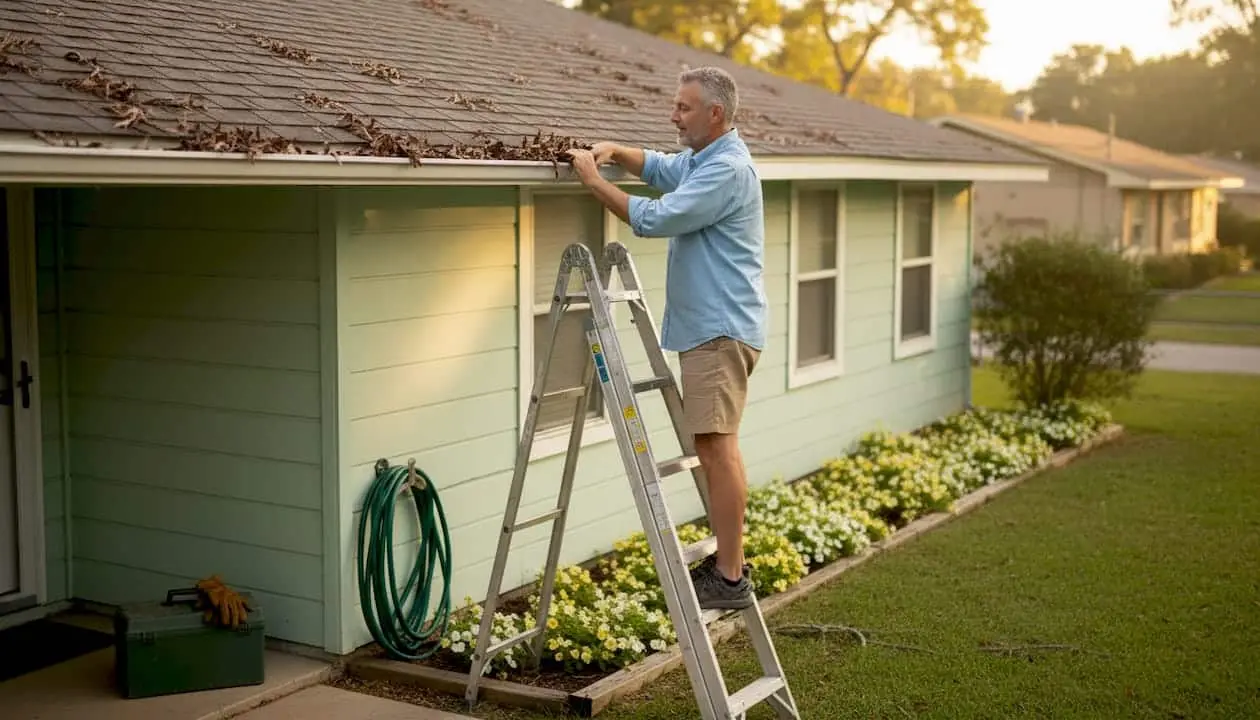
If you live in Lake, Marion, or Sumter County, you already know the routine: a major rainstorm rolls through, pine needles and oak leaves pile up in your gutters, and before long you’re back on a ladder or calling for a cleaning crew. Florida’s intense rainfall seasons and year-round tree activity make gutter maintenance far more demanding here than in most other states. The good news is that there are real, proven strategies to cut down how often you need to clean your gutters, and this guide walks you through every option so you can make the right call for your home.
Table of Contents
- Assess your gutter cleaning needs in Central Florida
- Install gutter guards: Minimize maintenance by blocking debris
- Maintain gutter guards and downspouts for lasting performance
- Schedule professional gutter cleaning and maintenance for optimal results
- Compare strategies: Which solution reduces cleaning frequency the most?
- What most homeowners overlook about minimizing gutter cleaning
- Expert help and resources for gutter maintenance in Central Florida
- Frequently asked questions
Key Takeaways
| Point | Details |
|---|---|
| Local factors matter | Rainfall and regional foliage strongly impact how often gutters need cleaning. |
| Gutter guards reduce work | Installing guards can cut cleaning needs by half or more, but requires ongoing maintenance. |
| Maintenance is essential | Regular checks and cleaning, even with guards, prevent clogs and water damage. |
| Professional help pays off | Expert cleaning and inspection catch issues early and minimize cleaning frequency in the long run. |
| Customize your plan | The best strategy combines installation and tailored seasonal maintenance for Central Florida homes. |
Assess your gutter cleaning needs in Central Florida
Building on why gutter cleaning is a recurring problem, let’s examine regional factors that determine how often you really need to clean your gutters.
Central Florida homeowners deal with a specific mix of challenges that push cleaning frequency higher than the national average. The region sees roughly 50 to 60 inches of rainfall per year, with the heaviest downpours concentrated between June and September. That kind of volume moves debris fast, pressing leaves and pine needles deep into gutters and downspouts. During the dry season, trees shed continuously, and that debris just sits and compacts until the next storm sends it all toward your drains at once.
In Lake, Marion, and Sumter counties specifically, the tree mix is notable. Live oaks drop small leaves and debris almost year-round. Longleaf and slash pines shed fine needles constantly. Sweetgums produce spiky seed balls that wedge perfectly into downspout openings. You’re essentially dealing with a multi-season debris problem, not a single autumn cleanup like homeowners in northern states experience.
Here’s a quick look at how cleaning frequency compares across different property types in Central Florida:
| Property type | Nearby tree coverage | Recommended cleanings per year |
|---|---|---|
| Open lot, few trees | Minimal | 1 to 2 |
| Moderate suburban lot | Mixed trees | 2 to 3 |
| Heavy tree coverage | Oaks, pines | 3 to 4 or more |
| Near retention pond | Palms, oaks | 3 to 4 |
Signs your gutters need immediate attention include:
- Water spilling over the sides during rain, even light showers
- Dark staining or mildew streaks on your fascia boards
- Sagging gutter sections pulling away from the roofline
- Plants or moss growing inside the gutter channel
- Downspout water pooling close to your foundation
Following a Florida gutter maintenance checklist can help you benchmark your current needs and track changes over time. Pairing gutter assessment with annual roof inspection tips gives you a complete picture of your home’s water management health, since roof condition directly affects how quickly debris builds up in your gutters.
Install gutter guards: Minimize maintenance by blocking debris
Once you’ve assessed your needs, the most effective way to cut cleaning frequency is considering gutter guards. Let’s explore how these solutions work and which types fit Central Florida homes best.
Gutter guards are covers or inserts that sit over or inside your gutters to block leaves, needles, and other debris from settling in the channel while still allowing rainwater to pass through. They don’t make your gutters maintenance-free, but they dramatically reduce how often you need to clean them. For most Central Florida homes, the right guard can cut cleaning visits from three or four times per year down to once or twice.
There are four main types worth knowing:
- Micro-mesh guards: Fine metal mesh covers that block even small debris like pine needles and seed pods. Best performance in Central Florida’s mix of foliage types.
- Screen guards: Basic metal or plastic screens that stop large leaves but let smaller debris through. Low cost, moderate performance.
- Reverse-curve guards: Curved covers that direct water into the gutter while debris falls off the edge. Works well in heavy rain but can struggle with fine needles.
- Foam inserts: Porous foam that sits inside the gutter channel. Easy to install but tends to trap debris on top and can harbor mold in Florida’s humidity.
Here’s how each type compares for Central Florida conditions:
| Guard type | Debris blocked | Cleaning reduction | Average cost per foot | Maintenance level |
|---|---|---|---|---|
| Micro-mesh | High | 60 to 80% | $2 to $4 | Low |
| Screen | Moderate | 30 to 50% | $0.50 to $1.50 | Moderate |
| Reverse-curve | Moderate to high | 40 to 60% | $3 to $6 | Low to moderate |
| Foam insert | Low to moderate | 20 to 40% | $2 to $3.25 | High |
Understanding the full range of gutter guard types is the starting point for choosing what fits your roof and tree situation. Once you’ve identified the right category, reviewing the gutter guard advantages specific to Central Florida helps confirm whether the investment makes sense for your property.
Pro Tip: If your yard has a mix of pine trees and broadleaf oaks, micro-mesh is your safest bet. Foam inserts and basic screens will let fine pine needles through, and those needles compact quickly and create dense clogs that are harder to clear than leaf debris alone.
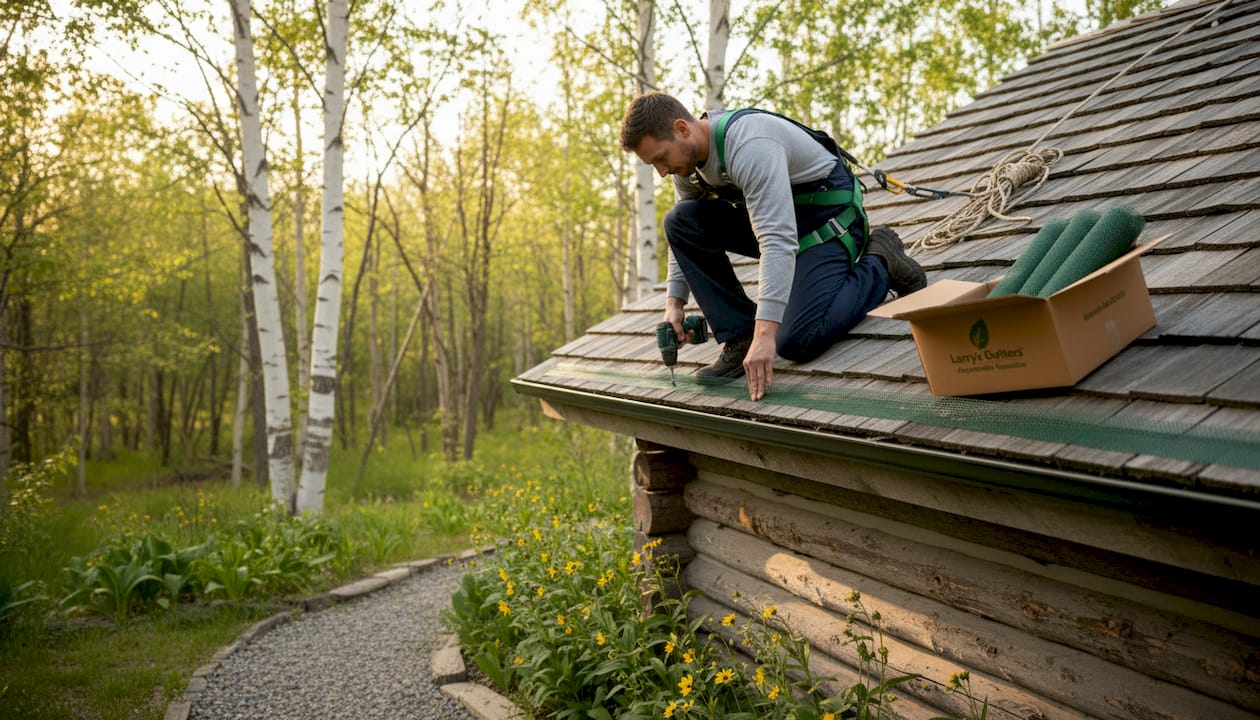
The Florida gutter guard installation process matters too. Guards installed incorrectly can void your roof warranty, create gaps where debris enters, or redirect water away from the gutter entirely. Always confirm that your installer understands local roof pitch and material types before work begins.
Maintain gutter guards and downspouts for lasting performance
Installing gutter guards is a major step, but to truly minimize cleaning, it’s essential to keep guards and downspouts performing optimally with the right maintenance schedule.
Even the best micro-mesh guard will underperform if a layer of fine sediment or algae builds up on its surface over time. In Central Florida’s humid climate, that kind of surface buildup happens faster than homeowners expect. The guard itself doesn’t clog internally the way an open gutter would, but water flow can slow significantly if the mesh surface isn’t periodically cleared.
“Routine guard checks are what separate a system that lasts a decade from one that fails in two years. The guard isn’t the finish line, it’s the beginning of a lower-maintenance routine.” This reflects the experience of countless homeowners who invested in guards but skipped follow-up care.
Here’s a practical seasonal maintenance sequence for Central Florida homes:
- Late May (pre-storm season): Visually inspect all gutter guard sections for debris buildup on top of the guards. Clear any accumulated material and flush downspouts with a garden hose to confirm open flow.
- Late September (post-peak storm season): Check for guard sections that may have shifted or lifted during high winds. Inspect downspout connections and screen for partial blockages from storm-driven debris.
- December to January (dry season leaf drop): Many oaks in Central Florida drop leaves during the dry season, not the wet one. Run a quick check and remove any accumulation before it compacts.
- After any major storm event: Walk the roofline and gutter perimeter to look for debris bridges, standing water, or downspout overflow signs.
For downspouts specifically, the most common failure point is the elbow where the downspout turns away from the wall. Debris that passes through guards or accumulates at the base of the gutter tends to settle here. A simple flush with a garden hose after each seasonal check will confirm the pathway is clear.
Resources like maintaining gutter guards walk through the specific steps in detail, and pairing that with a solid gutter cleaning checklist makes seasonal upkeep far more systematic. Keeping a gutter inspection checklist on hand helps you document what you find each time so you can spot patterns before they turn into repairs.
Pro Tip: Set a phone reminder tied to the first day of hurricane season (June 1) and the first major cold front of the year (usually November) to trigger your gutter check routine. These two moments align with Florida’s biggest debris-generating weather patterns and are easy anchors to remember.
Schedule professional gutter cleaning and maintenance for optimal results
Even with preventive solutions, some homeowners prefer expert care. Let’s compare the benefits of professional service with personal maintenance to see which delivers the lowest cleaning frequency.
Professional gutter cleaning isn’t just about convenience. Trained technicians spot problems that most homeowners walk right past: hairline cracks in gutter seams, early fascia rot behind the gutter, downspout connections pulling loose at the roofline, and guard sections installed at the wrong angle. Catching these issues early costs far less than the water damage repair that follows if they go unnoticed.
Benefits of professional service for Central Florida homeowners include:
- Safety: Ladder work on a Florida home, especially on a two-story property with wet or algae-covered surfaces, carries real injury risk that professionals manage with proper equipment.
- Thoroughness: Professionals flush the entire system, not just the visible gutter channel. That includes clearing downspouts fully and checking underground drain connections where they exist.
- Problem identification: A professional can tell you if your pitch is off, meaning your gutters slope the wrong direction, which causes water to pool and accelerate debris buildup.
- Documentation: Many services provide before-and-after photos and notes on any issues found, giving you a maintenance record that adds value when selling the home.
For most Central Florida homes with guards installed, scheduling seasonal gutter cleaning twice per year with a professional is the right balance. Homes without guards, or those surrounded by heavy tree coverage, may benefit from quarterly visits during the wet season. The Central Florida gutter maintenance guide provides property-specific scheduling recommendations based on local conditions.
Pairing professional cleaning with a professional gutter repair assessment each year ensures that small issues don’t quietly grow into costly failures over the wet season.
Compare strategies: Which solution reduces cleaning frequency the most?
Having looked at each approach separately, let’s pull them together to see which strategy truly minimizes gutter cleaning time and effort for Central Florida homeowners.
| Strategy | Avg. cleanings per year (no guards) | Avg. cleanings with strategy | Best for |
|---|---|---|---|
| No action | 3 to 4 | N/A | N/A |
| Gutter guards only | 3 to 4 | 1 to 2 | Budget-conscious, light tree coverage |
| Regular DIY maintenance | 3 to 4 | 2 to 3 | Hands-on homeowners, low tree density |
| Professional cleaning only | 3 to 4 | 2 to 3 | Safety-conscious, busy schedules |
| Guards plus professional service | 3 to 4 | 1 or less | Maximum reduction, high tree coverage |
The takeaway is clear: combining gutter guards with at least one annual professional visit delivers the lowest cleaning frequency for most Central Florida properties. Neither solution alone is as effective as both working together.
| Your situation | Best strategy |
|---|---|
| Tight budget, few trees | Basic screen guards plus DIY checks |
| Heavy oak or pine coverage | Micro-mesh guards plus professional cleaning |
| Elderly or mobility-limited homeowner | Professional service twice yearly |
| New homeowner, unsure of tree impact | Start with assessment, then add guards |
Understanding why gutter guards are essential for properties in this region helps frame the investment correctly. Referencing a 2026 Florida gutter checklist can help you plan the full year of maintenance in one sitting.
What most homeowners overlook about minimizing gutter cleaning
Before you decide on a strategy, it’s worth considering what most people miss when aiming to reduce gutter cleaning frequency.
Here’s the honest truth from years of working with Central Florida homeowners: most people who install gutter guards expect to never think about their gutters again. That expectation leads directly to the most common gutter failure we see, which is a guard-covered system that hasn’t been checked in three years, full of compacted fine debris on top of the mesh and a downspout that hasn’t drained properly in two storm seasons.
Guards reduce the frequency of maintenance. They don’t reduce the necessity of it. That’s a critical distinction. A micro-mesh guard on a home surrounded by longleaf pines will still need a rinse and check at least once a year, sometimes twice. Skipping that step doesn’t just lead to a clogged gutter. It leads to water pooling at your foundation, which in Central Florida’s sandy soil can undermine a slab faster than most homeowners realize.
The other thing most people miss is that no single solution fits every home. A neighbor three streets over might run the same micro-mesh guards and never think about them because their yard has mostly palms. Your yard full of oaks and sweetgums is a completely different environment. The gutter guard benefits are real and substantial, but they have to be paired with a maintenance plan that reflects your specific property, not a generic calendar.
The homeowners who get the most out of any gutter system are the ones who treat maintenance as a routine seasonal task, not a reactive response to a problem. Integrating guard checks into your existing seasonal home walkthrough takes maybe 20 minutes and saves you from expensive surprises. Set-and-forget doesn’t exist in Central Florida’s climate. Smart-and-scheduled does.
Expert help and resources for gutter maintenance in Central Florida
Now that you know your options, here’s how to get expert help and actionable resources to put these strategies to work for your home.
At Larry’s Gutters, we work with homeowners across Lake, Marion, and Sumter counties every day to find the right balance between protection and practicality. Whether you need help selecting the best guard type for your specific tree situation, scheduling a professional cleaning, or figuring out the right maintenance calendar for your property, we have the local knowledge to make the right call.

Our Florida gutter guard installation service covers everything from initial assessment to final inspection, ensuring your guards are fitted correctly for your roof pitch and gutter style. If you’re starting from scratch or upgrading an older system, our downspout installation steps guide ensures your full drainage system is optimized before guards go on. And when you’re ready to build your annual plan, the Florida gutter maintenance checklist gives you a clear, seasonal framework to follow. Contact us today for a free quote and let’s get your gutters working smarter.
Frequently asked questions
How often should I clean my gutters with guards installed in Central Florida?
Even with gutter guards in place, plan to check and clean your gutters at least twice per year, increasing that to three times if you have heavy oak or pine coverage nearby. Storm season and dry-season leaf drop are the two periods that most commonly push debris past even well-installed guards.
Which type of gutter guard works best for homes surrounded by pine trees?
Micro-mesh gutter guards are the strongest choice for pine-heavy yards because their fine openings block needles that foam inserts and basic screens let through easily. The dense mesh surface also makes it harder for pine needles to mat together and create a debris bridge across the gutter opening.
How can I tell if my downspouts are clogged?
Water overflowing from the gutter edges during rainfall, slow drainage after a storm, and visible debris stuffed into the top of the downspout opening are the clearest signs. You can also run a garden hose into the downspout from the top and watch whether water flows freely from the bottom or backs up.
Are professional gutter cleaning services worth it for Florida homeowners?
Yes, especially because professionals catch structural issues like sagging sections, loose hangers, and early fascia rot that most homeowners miss during a quick visual check. Catching those problems early almost always costs less than the water damage repair that follows when they go unaddressed through a full storm season.
What is the biggest mistake homeowners make when trying to minimize gutter cleaning?
Treating gutter guard installation as a permanent fix and skipping follow-up maintenance is the most common mistake we see. Guards significantly reduce cleaning frequency, but they still require periodic checks, particularly after major storms and during seasonal leaf drop periods in Central Florida.
