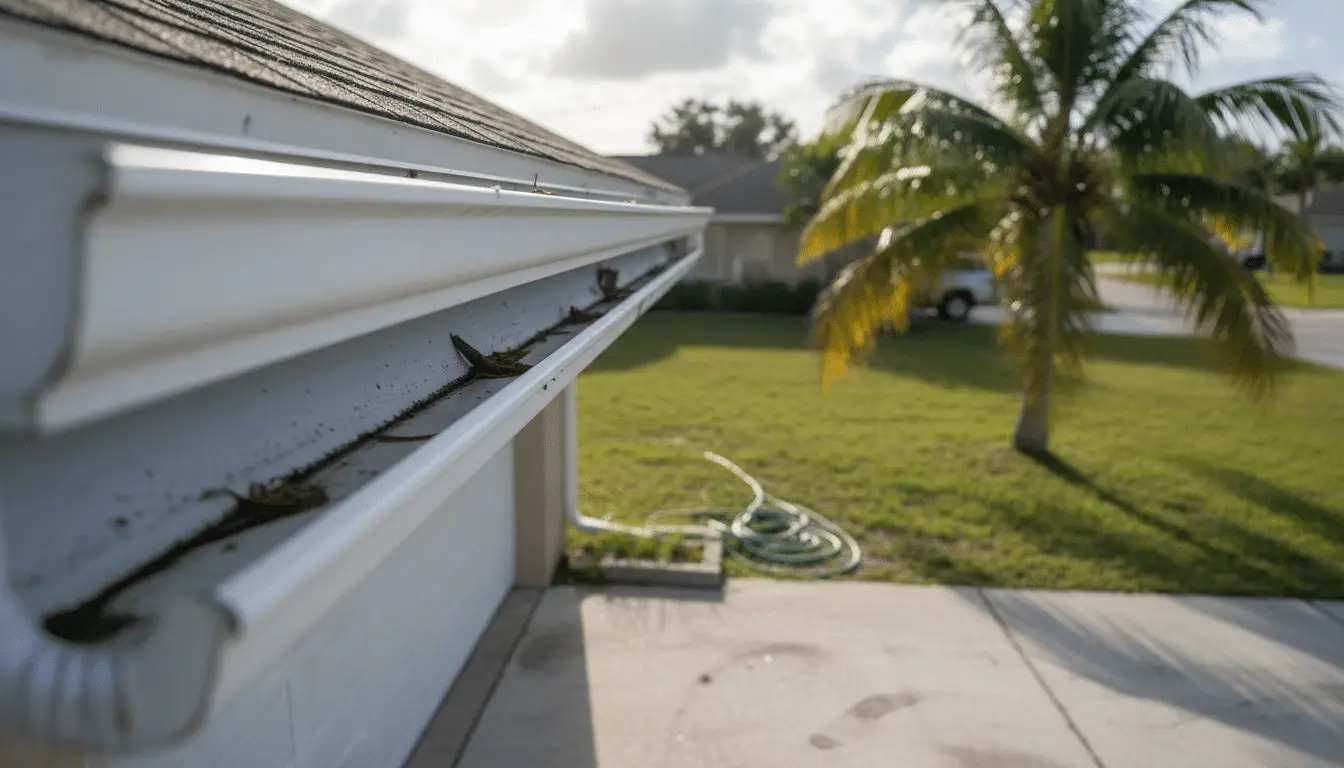
Standing water near the foundation after every Florida downpour can be a homeowner’s worst nightmare. In Lake, Marion, and Sumter Counties, heavy rainfall puts houses at risk for costly problems like mold, wood rot, and foundation damage. A well-designed residential gutter system directs rainwater safely away from your home and protects your investment. Discover how each gutter component and material choice works together to create a robust defense against water damage in Central Florida’s climate.
Table of Contents
- Defining A Residential Gutter System
- Types Of Gutter Components And Materials
- How Each Gutter Part Functions
- Enhancing Gutters With Guards And Accessories
- Common Installation Mistakes And Their Risks
Key Takeaways
| Point | Details |
|---|---|
| Importance of Gutter Systems | A residential gutter system is essential for protecting homes from water damage by efficiently managing rainfall runoff. |
| Material Selection for Durability | Choosing the right materials, like aluminum or copper, helps ensure long-term performance against Florida’s unique climate challenges. |
| Proper Installation is Crucial | Ensuring correct slope and secure fastening during installation is vital to prevent costly water-related damage. |
| Utilizing Guards and Accessories | Incorporating gutter guards and downspout extensions minimizes maintenance and enhances the efficiency of water management systems. |
Defining a Residential Gutter System
A residential gutter system is a critical infrastructure component designed to protect homes from water damage by effectively managing rainfall runoff. Gutters collect and channel water from your roof, directing moisture away from your home’s foundation, walls, and landscaping.
The system typically consists of horizontal gutter channels installed along the roof’s edge, strategically sloped to guide water toward vertical downspouts. These downspouts then carry water from the roofline to ground level, preventing uncontrolled water flow that could potentially compromise your home’s structural integrity. Proper gutter drainage prevents moisture problems like mold growth, wood rot, and foundation damage.
In Florida’s climate, where heavy rainfall is common, a robust gutter system becomes even more crucial. The components work together to ensure water is efficiently transported away from your home, protecting your investment from potential water-related structural issues. Gutters come in various materials and designs, each tailored to handle different roof types and regional weather conditions.
Pro tip: Inspect your gutter system at least twice a year, particularly before Florida’s hurricane and rainy seasons, to ensure optimal water management and prevent potential home damage.
Types of Gutter Components and Materials
A comprehensive gutter system for Florida homes involves several key components and materials carefully selected to withstand the region’s unique climate challenges. Residential gutter systems include multiple crucial elements such as gutter channels, downspouts, brackets, joints, and end caps, each playing a critical role in effective water management.
Materials for gutter systems vary widely, with each offering distinct advantages for Florida homeowners. Aluminum remains a popular choice due to its lightweight nature and resistance to corrosion, while copper provides exceptional durability and an attractive aesthetic. Gutter materials range from aluminum to galvanized steel, with vinyl and wood also being potential options depending on specific home requirements and budget considerations.
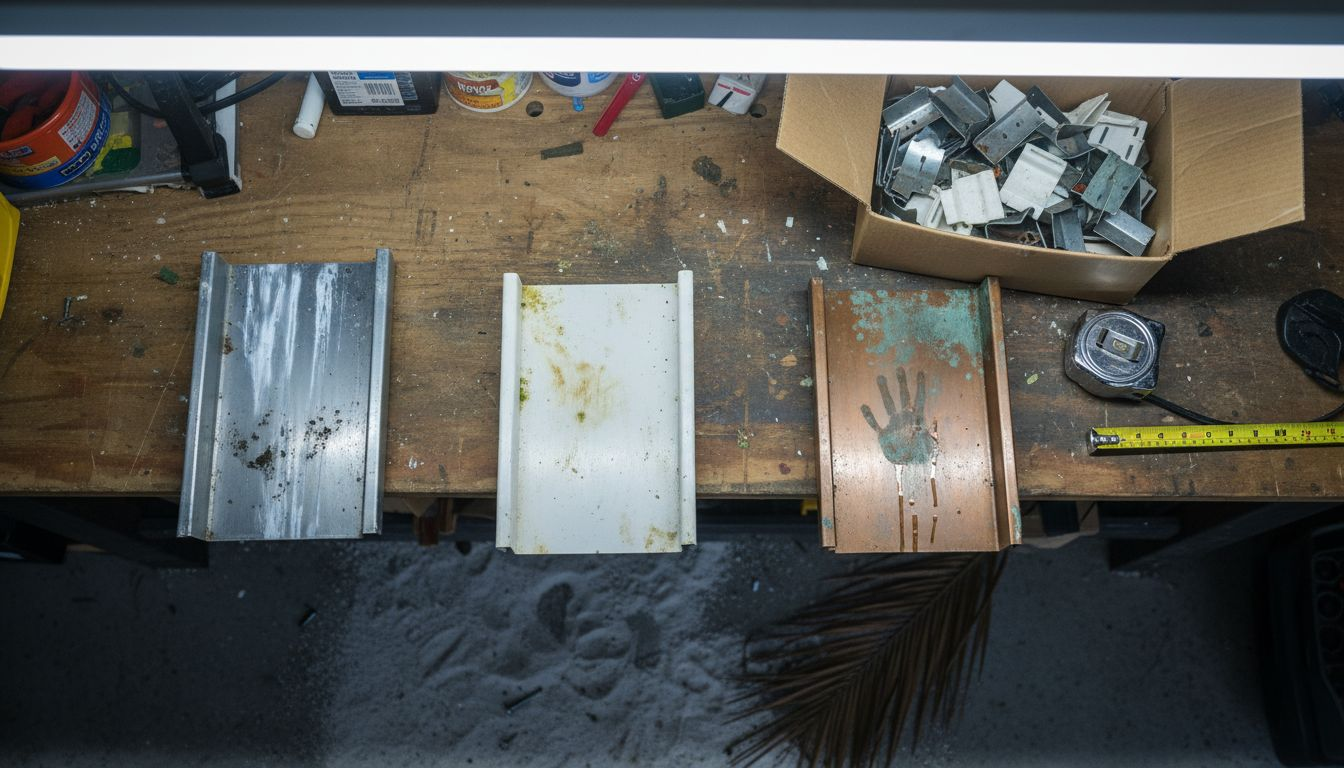
The primary components of a typical gutter system include the horizontal gutter channels that collect rainwater, vertical downspouts that direct water away from the foundation, and various accessories like strainers and gutter covers. These elements work together to protect your home from water damage, preventing moisture accumulation that could compromise your home’s structural integrity. Each component is strategically designed to manage water flow efficiently, especially crucial in Florida’s heavy rainfall environment.
Here’s a quick comparison of common gutter materials used in Florida and their unique benefits:
| Material | Durability in Florida | Maintenance Needs | Cost Considerations |
|---|---|---|---|
| Aluminum | Excellent rust resistance | Low, periodic cleaning | Cost-effective for most homes |
| Copper | Exceptional longevity | Minimal, forms natural patina | High initial investment |
| Galvanized Steel | Good, may rust over time | Requires periodic inspection | Moderate cost, more durable than vinyl |
| Vinyl | Resistant to corrosion | Prone to cracking in heat | Most affordable choice |
| Wood | Vulnerable to rot and insects | Frequent sealing, not ideal in humidity | Usually expensive, primarily aesthetic |
Pro tip: Consider the local climate and your specific home design when selecting gutter materials, prioritizing durability and water management effectiveness for long-term protection.
How Each Gutter Part Functions
Gutter system components work together to protect Florida homes from water damage, with each part playing a unique and critical role in water management. The gutter channels are the primary collection points, running horizontally along the roof’s edge and capturing rainwater as it flows down the roof surface.
The downspouts serve as the critical transportation mechanism, channeling water from the horizontal gutter channels vertically down to ground level or designated drainage areas. Brackets and hangers provide essential structural support, securing the gutters firmly to the home’s fascia and ensuring they maintain the proper slope for efficient water flow. These support elements are particularly important in Florida’s challenging weather conditions, where high winds and heavy rainfall can put significant stress on gutter systems.
Additional components like end caps, joints, and strainers complete the system’s functionality. End caps seal the gutter sections to prevent leaks, joints connect different gutter segments, and strainers help filter out debris that could potentially clog the water flow. Proper installation and sizing of these components are crucial for effective water management and long-term protection of your home’s foundation and structural integrity.
Below is a summary table outlining typical gutter system components and their core functions:
| Component | Primary Function | Typical Placement |
|---|---|---|
| Gutter Channel | Collects roof runoff | Along roof edges |
| Downspout | Directs water vertically | Attached to gutter ends |
| Bracket/Hanger | Provides structural support | Secures gutters to fascia |
| End Cap | Seals gutter section | At the gutter terminal ends |
| Strainer | Filters debris from water | Inside downspout openings |
Pro tip: Schedule annual gutter inspections to ensure each component remains in optimal condition, paying special attention to brackets, joints, and downspouts that are most susceptible to wear and damage.
Enhancing Gutters With Guards and Accessories
Gutter guards and accessories play a crucial role in protecting your home’s water management system, especially in Florida’s challenging environmental conditions. These additional components are designed to prevent debris accumulation, reduce maintenance requirements, and enhance the overall performance of your gutter system.
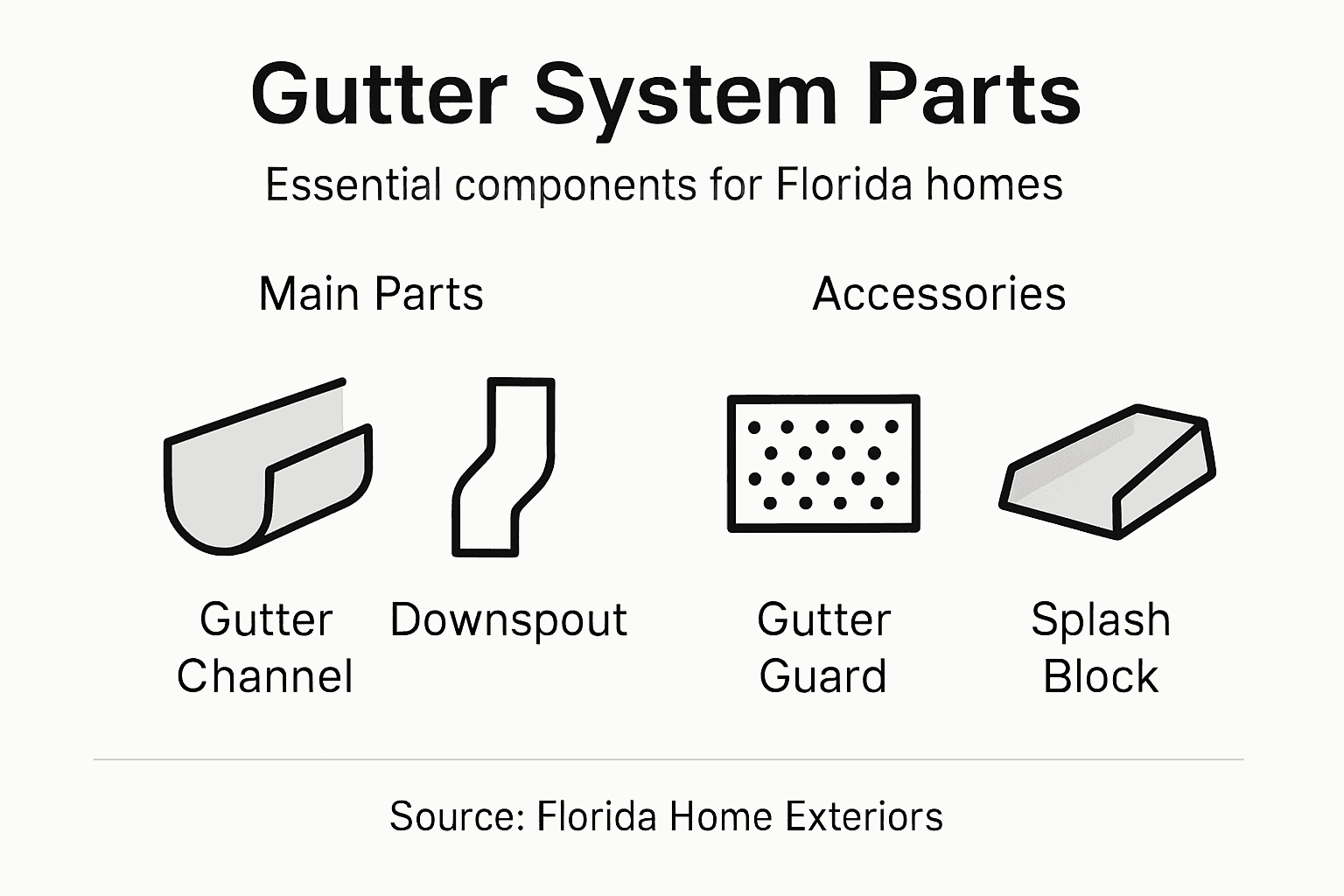
Gutter guards are particularly important in Central Florida, where heavy rainfall and abundant vegetation can quickly clog traditional gutter systems. These protective screens or mesh covers prevent leaves, twigs, and other debris from entering the gutter channels while allowing water to flow freely. Downspout extensions provide additional protection by directing water further away from your home’s foundation, reducing the risk of erosion and water damage during intense rainstorms.
Other essential accessories include splash blocks, which help disperse water more evenly and prevent soil erosion near the foundation, and leaf screens that offer an additional layer of filtration. These components work together to create a more robust and efficient gutter system that can withstand Florida’s unique weather challenges. The right combination of guards and accessories can significantly reduce the frequency of gutter cleaning and minimize potential water-related home maintenance issues.
Pro tip: Choose gutter guards and accessories specifically designed for Florida’s climate, considering factors like leaf density, rainfall intensity, and potential hurricane conditions.
Common Installation Mistakes and Their Risks
Improper gutter installation creates significant risks for Florida homeowners, potentially leading to extensive and expensive home damage. The most critical errors often involve seemingly minor details that can have major consequences for your home’s structural integrity and water management system.
Incorrect gutter slope represents one of the most common and problematic installation mistakes. When gutters are not pitched properly, water cannot flow efficiently toward downspouts, causing pooling that leads to potential overflow, rust, and potential foundation damage. Incompatible material selection and poor fastening techniques can also compromise the entire gutter system’s performance, creating vulnerabilities that expose your home to water infiltration and structural risks.
Additional installation errors include inadequate downspout extensions that fail to direct water sufficiently far from the foundation, improper sizing of gutter channels, and neglecting to seal joints and connections. These mistakes can result in significant problems such as soil erosion, foundation cracking, basement flooding, and landscape damage. In Florida’s challenging climate with frequent heavy rainfall and potential hurricane conditions, such installation errors can accelerate home deterioration and lead to costly repairs.
Pro tip: Always hire professional installers with specific experience in Florida’s unique weather conditions, and request detailed documentation of their installation methods and material selections.
Protect Your Florida Home with Expert Gutter Solutions
Managing the complex components of a residential gutter system can be overwhelming, especially when improper installation or material choices risk costly water damage. From ensuring the right gutter channel slope to selecting durable materials like aluminum or copper, every detail matters to keep Florida homes safe during heavy rains and storms. At Larry’s Gutters, we understand these challenges and specialize in custom-fit seamless gutters designed precisely for Florida’s weather.

Ready to upgrade your gutter system with professional installation, maintenance, or gutter guard solutions that prevent clogs and foundation damage? Visit Larry’s Gutters to request a free quote today and let our experienced team safeguard your home. Don’t wait for the next storm to reveal hidden vulnerabilities. Learn more about our seamless gutter installation and gutter guard solutions tailored for Central Florida homeowners and take the first step toward worry-free water management.
Frequently Asked Questions
What are the main components of a gutter system?
A typical gutter system includes horizontal gutter channels, vertical downspouts, brackets, joints, end caps, and strainers. Each part plays a crucial role in collecting and directing rainwater away from your home to prevent water damage.
How often should I inspect my gutter system?
It’s recommended to inspect your gutter system at least twice a year, particularly before heavy rainy seasons, to ensure optimal water management and to prevent potential home damage.
What materials are commonly used for gutters, and what are their benefits?
Common materials include aluminum, copper, galvanized steel, vinyl, and wood. Aluminum is lightweight and rust-resistant, copper is durable and aesthetically pleasing, galvanized steel is strong but may rust, vinyl is cost-effective but can crack, and wood offers beauty but is prone to rot.
What are gutter guards, and how do they enhance gutter performance?
Gutter guards are protective screens or mesh covers that prevent debris from clogging the gutters while allowing water to flow freely. They reduce maintenance needs and enhance the efficiency of your gutter system, especially in areas with heavy rainfall and vegetation.
Recommended
- Gutter Systems: Protecting Central Florida Homes Effectively
- Why Seamless Gutters Matter for Florida Homes
- How Seamless Gutters Work to Protect Florida Homes
- Gutter System Basics – Protecting Central Florida Homes
- A Homeowner’s Guide to the Best Waterproof Flooring for Basements
- Gutter Services Gainesville FL
- Gutter Services The Villages FL
