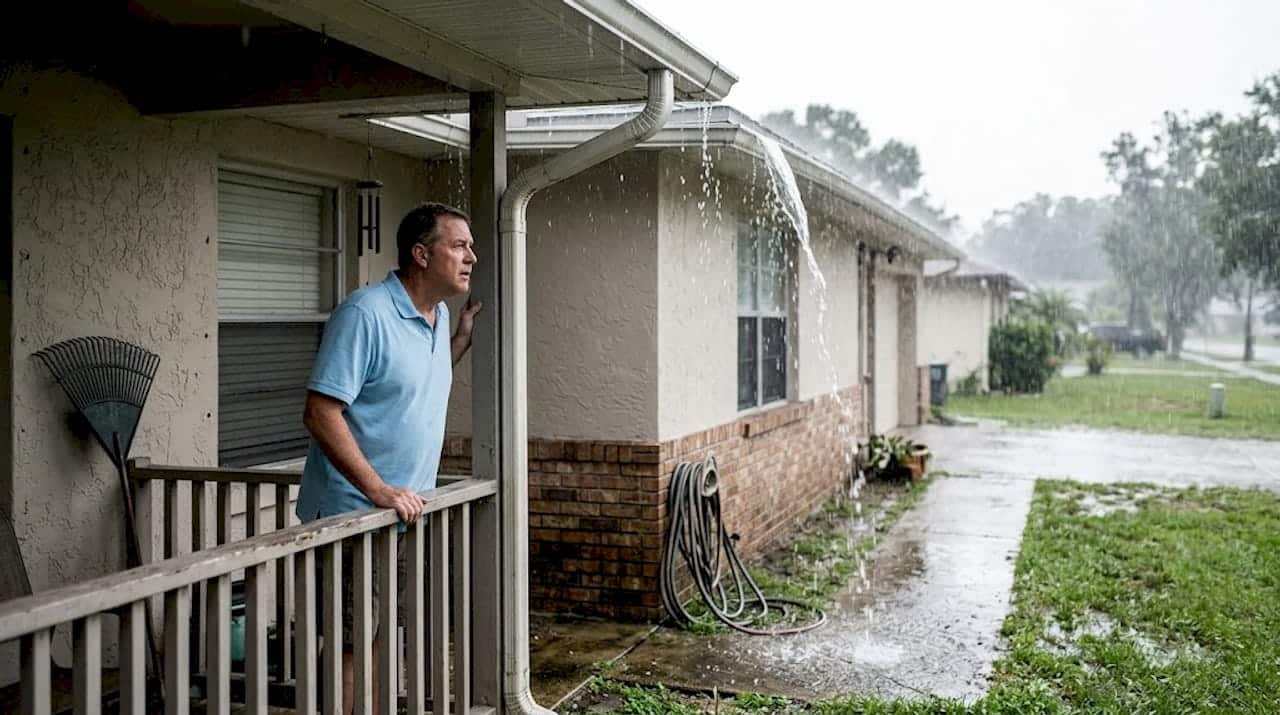
TL;DR:
- Neglected gutters can cause costly water and foundation damage in Central Florida.
- Proper installation and routine maintenance are essential to prevent flood, mold, and structural problems.
- Gutter guards reduce debris but still require annual inspections for optimal protection.
Water damage is one of the most expensive problems a Central Florida homeowner can face. Between the relentless summer storms and the region’s average rainfall that climbs well past 50 inches per year, your gutters work harder here than almost anywhere else in the country. When those gutters fail, the repair bills add up fast. Neglected gutters cost homeowners between $11,000 and $14,000 on average per claim, compared to just $200 to $600 a year in routine maintenance. The tips below will help you stay ahead of water damage, protect your home’s foundation, and get the most out of every dollar you spend on gutter care.
Table of Contents
- Assessing your home’s gutter risks
- Installation essentials: Slope, alignment, and downspouts
- Routine maintenance for maximum protection
- Gutter guard solutions for Central Florida
- Our take: Why preventive gutter care always wins
- Connect with gutter experts in Central Florida
- Frequently asked questions
Key Takeaways
| Point | Details |
|---|---|
| Proactive maintenance saves money | Cleaning gutters regularly prevents costly repairs and water damage. |
| Proper installation is critical | Correct slope and alignment maximize gutter effectiveness and home protection. |
| Gutter guards reduce labor | Installing guards lowers debris buildup but still requires occasional checks. |
| Severe weather demands vigilance | Storms and heavy rainfall in Central Florida make biannual cleaning essential. |
| Return on investment is high | Annual gutter care costs are modest compared to potential damage expenses. |
Assessing your home’s gutter risks
Central Florida’s climate is no joke when it comes to rainfall. Lake, Marion, and Sumter counties regularly see intense afternoon thunderstorms from June through September, and surprise squalls can roll in any time of year. That constant moisture exposure puts your gutters under serious stress, and small problems turn into big ones very quickly.
Most homeowners don’t inspect their gutters until something goes visibly wrong. By that point, the damage has often already reached the foundation or the fascia boards behind the gutter system. Catching problems early is the smartest move you can make.
Here are the most common gutter problems to look for:
- Clogs from debris: Oak leaves, pine needles, and palm fronds pile up fast after storms and block water flow.
- Leaks at joints: Sectional gutters develop gaps over time, especially after repeated heat cycles.
- Misalignment: Gutters that sag or pull away from the roofline allow water to pour behind them.
- Missing or undersized downspouts: Without enough drainage points, gutters overflow during heavy rain.
- Improper pitch: Gutters with the wrong slope trap standing water, which breeds mosquitoes and accelerates rust.
The financial stakes are real. Foundation erosion alone can cost between $10,000 and $25,000 to fix, while mold remediation typically runs $2,000 to $6,000. Water intrusion damage averages $3,000 to $8,000 per incident. These are not abstract numbers; they reflect what Central Florida homeowners actually pay when gutter problems go ignored.
Knowing the warning signs makes all the difference. Watch for pooling water near your foundation after rain, soil erosion along your home’s perimeter, and brown staining on your siding or foundation. Dark streaks on your exterior walls often signal that water is overflowing rather than draining properly. Mold warning signs in air vents can also indicate that moisture has already made its way into your home’s structure.
Understanding gutter maintenance in home safety goes beyond just keeping leaves out. It means treating your gutters as a first line of defense against the kind of water intrusion that damages your home from the outside in. If you want a full picture of your options, a solid Florida gutter solutions guide can walk you through what works best for different home styles and lot configurations across the region.
Installation essentials: Slope, alignment, and downspouts
Even the best gutter materials will fail if the installation is done incorrectly. In Central Florida, where rain intensity during summer storms can dump several inches in under an hour, proper slope and alignment are not optional extras. They are the foundation of a system that actually works.
Here’s how to get installation right:
- Set the correct slope. Gutters must slope at a minimum of 1/4 inch for every 10 feet toward the downspout. This keeps water moving instead of pooling.
- Secure gutters to the fascia properly. Use hidden hangers spaced no more than 24 inches apart. In Florida’s wind-driven rain, loose gutters can pull away entirely during a storm.
- Size your gutters for your roof area. A 5-inch K-style gutter handles most standard homes, but larger roof sections may need 6-inch gutters to avoid overflow.
- Place downspouts strategically. Every 40 feet of gutter run should have at least one downspout. More is better in high-rainfall areas.
- Extend downspout discharge. Downspouts should extend water at least 5 to 6 feet away from your foundation to prevent soil erosion and basement or crawl space moisture problems.
Pro Tip: Add splash blocks or flexible downspout extenders at the base of each downspout. These direct water away from your foundation even when the soil is already saturated, which is common during Florida’s rainy season.
Here’s a quick comparison of a typical installation versus an optimized one:
| Feature | Typical install | Optimized install |
|---|---|---|
| Gutter slope | Inconsistent or flat | 1/4 inch per 10 feet |
| Hanger spacing | 36+ inches | 24 inches or less |
| Downspout spacing | 1 per 60 feet | 1 per 40 feet |
| Discharge distance | 1-2 feet from foundation | 5-6 feet from foundation |
| Joint sealing | Minimal | Fully sealed at all seams |
If you want to see exactly how the installation process works from start to finish, the install gutters step guide covers every phase in detail. And once your system is installed, following a consistent plan is covered in the gutter system maintenance tips resource built specifically for Florida homes.
Routine maintenance for maximum protection
Installation gets your gutters working. Maintenance keeps them working. In Central Florida, where seasonal debris is relentless and storms arrive with little warning, a consistent maintenance routine is what separates a gutter system that lasts 20 years from one that fails in five.
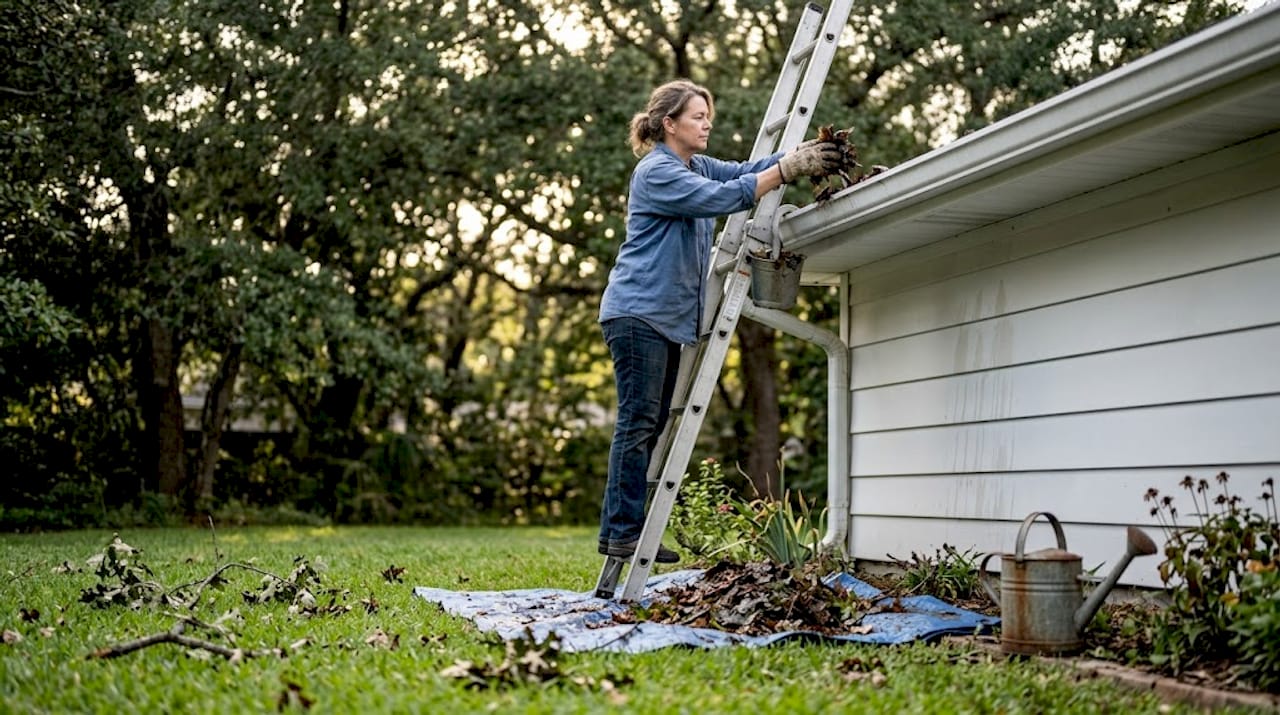
Inspect and clean gutters at least twice a year, targeting spring and fall. Spring cleaning clears out debris from winter, while fall cleaning prepares your gutters for the heavy summer storm season. After any major storm, do a quick visual check regardless of the time of year.
Here is a step-by-step inspection routine:
- Clear all debris first. Remove leaves, pine needles, and palm fronds by hand or with a gutter scoop before flushing with water.
- Flush with a garden hose. Run water from the end opposite the downspout and watch for slow drainage, pooling, or leaks at seams.
- Check alignment and pitch. Look for sagging sections or areas where water pools after flushing. These need re-pitching.
- Inspect fasteners. Loose hangers or spikes let gutters pull away from the fascia. Replace them before they fail entirely.
- Check downspouts for blockages. A blocked downspout causes overflow even when the gutter channel is clean. Use a plumber’s snake if flushing doesn’t clear it.
Common debris types to watch for in Central Florida:
- Oak leaves (fall and spring)
- Pine needles (year-round)
- Palm fronds and seed pods (especially after storms)
- Spanish moss (can mat down and block flow almost completely)
- Sand and fine sediment (washes in during heavy rain)
Pro Tip: Always use a sturdy, non-conductive ladder set on level ground, and wear work gloves when clearing debris. Wet debris carries bacteria and sharp organic material that can cause cuts and infections.
For a complete seasonal routine, the gutter maintenance checklist lays it all out clearly. If you want to understand why skipping a season is a bigger gamble than it sounds, the importance of gutter maintenance page explains the cumulative impact. For additional strategies specific to your area, gutter protection tips for Florida homeowners covers the most practical options available.
Gutter guard solutions for Central Florida
If routine cleaning feels like a constant battle, gutter guards are worth considering. They don’t eliminate maintenance entirely, but they do reduce how often you need to get on a ladder and how much debris actually reaches the gutter channel.
Here are the main types of gutter guards:
- Mesh guards: Fine metal screens that block most debris while letting water through. Best overall performance for Florida conditions.
- Foam inserts: Porous foam that sits inside the gutter. Inexpensive but tends to trap debris on top and degrade in UV exposure over time.
- Brush inserts: Cylindrical brushes that catch debris while water flows through the bristles. Easy to install but require frequent cleaning themselves.
- Surface tension (reverse curve) guards: Water follows the curve into the gutter while debris falls off the edge. Works well but can struggle with Florida’s high-volume rain events.
Here’s a practical comparison for Lake, Marion, and Sumter county homeowners:
| Guard type | Debris blocking | Maintenance needed | Avg cost per foot | Best for |
|---|---|---|---|---|
| Mesh | Excellent | Low | $1.50 to $3.50 | Most Florida homes |
| Foam | Fair | High | $0.50 to $1.00 | Budget installs |
| Brush | Fair | High | $1.00 to $2.00 | Temporary use |
| Surface tension | Good | Moderate | $3.00 to $6.00 | Lower debris areas |
For most homes in this region, fine mesh guards offer the best combination of performance and durability. They handle heavy rain volume well and block the small debris like pine needles that foam and brush guards often miss.
Pro Tip: Even with the best gutter guards installed, plan on at least one inspection per year. Guards can shift, warp, or get lifted by storms, and a guard that isn’t seated properly can actually make drainage worse than having no guard at all.
Learn more about upkeep with maintaining gutter guards or explore all your options through the types of gutter guards guide built for Florida homeowners. And remember: the cost of neglected gutters far exceeds the cost of even the best guards on the market.
Our take: Why preventive gutter care always wins
After years of working with homeowners across Lake, Marion, and Sumter counties, one pattern stands out clearly: the people who spend the least on gutter repairs are the ones who take the most consistent preventive action. It’s not a coincidence.
Most of the serious damage we see, including cracked foundations, rotted fascia, and mold inside exterior walls, didn’t happen overnight. It built up quietly over several seasons while the gutter system was technically still there but not functioning correctly. A clog here, a loose hanger there, and suddenly water is finding its way into places it should never reach.
The uncomfortable truth is that gutter problems are almost always predictable and preventable. Following the gutter maintenance checklist twice a year and applying basic gutter safety tips during inspections costs very little. Ignoring it costs an average of $11,000 to $14,000 per insurance claim. That math should make the decision simple. Proactive care is not just smart; it’s the only financially rational choice for any Central Florida homeowner.
Connect with gutter experts in Central Florida
If you’re ready to move from understanding your gutter system to actually protecting your home, Larry’s Gutters is here to help homeowners throughout Lake, Marion, and Sumter counties. Whether you need a new installation, an upgrade to your current system, or just a professional inspection, we have the local experience to get it done right.

Start with the resources that match your next step. The downspout installation guide covers proper placement and discharge in detail. If you’re considering a full system upgrade, the seamless gutter installation process explains exactly what to expect. And if reducing long-term maintenance is your priority, the gutter guard installation workflow walks you through every step. Contact us today for a free quote and let’s protect your home before the next storm arrives.
Frequently asked questions
How often should gutters be cleaned in Central Florida?
Gutters should be cleaned at least twice a year in spring and fall, plus after any major storm event. Central Florida’s debris load and storm frequency make this schedule essential for preventing clogs and overflow.
What is the proper slope for gutter installation?
Gutters should be pitched at a minimum of 1/4 inch per 10 feet toward the downspout. This ensures water moves consistently through the system and doesn’t pool, which would accelerate corrosion and attract pests.
Are gutter guards worth the investment in Florida?
For most Central Florida homes, yes. Fine mesh gutter guards significantly reduce debris buildup, though periodic inspections are still needed. The alternative, repeated clogs and potential foundation or mold damage, is far more expensive over time.
What types of debris most often clog gutters in Central Florida?
Oak leaves, pine needles, palm fronds, and Spanish moss are the most common culprits. After storms, seed pods and fine sediment also wash into gutters and compact over time, forming dense blockages that simple rinsing won’t clear.