TL;DR:
- Visible damage and aging indicate when gutter replacement is necessary in Florida’s challenging climate.
- Delaying replacement risks structural damage, mold, and foundation problems due to water mismanagement.
- Proper-sized, high-quality gutter systems protect homes from Florida’s intense rainfall and weather damage.
Most Central Florida homeowners treat their gutters as an afterthought until water starts pouring over the edge or pooling against the foundation. By then, the damage is already happening. Florida’s intense rain seasons, high humidity, and occasional tropical storms put gutters under stress that homeowners in other states simply don’t experience. Knowing the difference between a gutter that needs a quick cleaning and one that needs full replacement can save you thousands of dollars in structural repairs. This guide walks you through the clearest warning signs, so you can make a confident, informed decision before small problems become expensive ones.
Table of Contents
- Visible gutter damage: cracks, sagging, and detachment
- Gutter age and material lifespan in Florida’s climate
- Water flow problems: recurring clogs and overflow issues
- Hidden risks: mold, foundation problems, and exterior damage
- Quick-reference table: When replacement is the best solution
- Why most Florida homeowners replace gutters too late
- Upgrade your water protection with expert gutter solutions
- Frequently asked questions
Key Takeaways
| Point | Details |
|---|---|
| Visible damage | Sagging, cracking, or detached gutters are warning signs that simple repairs aren’t enough. |
| Age and material | Gutters over 20 years old are at high risk for leaks and corrosion in Florida’s climate. |
| Ongoing water issues | Persistent clogs and overflows signal that the system may be undersized or failing. |
| Hidden home risks | Delaying gutter replacement leads to mold, foundation cracks, and costly water damage. |
Visible gutter damage: cracks, sagging, and detachment
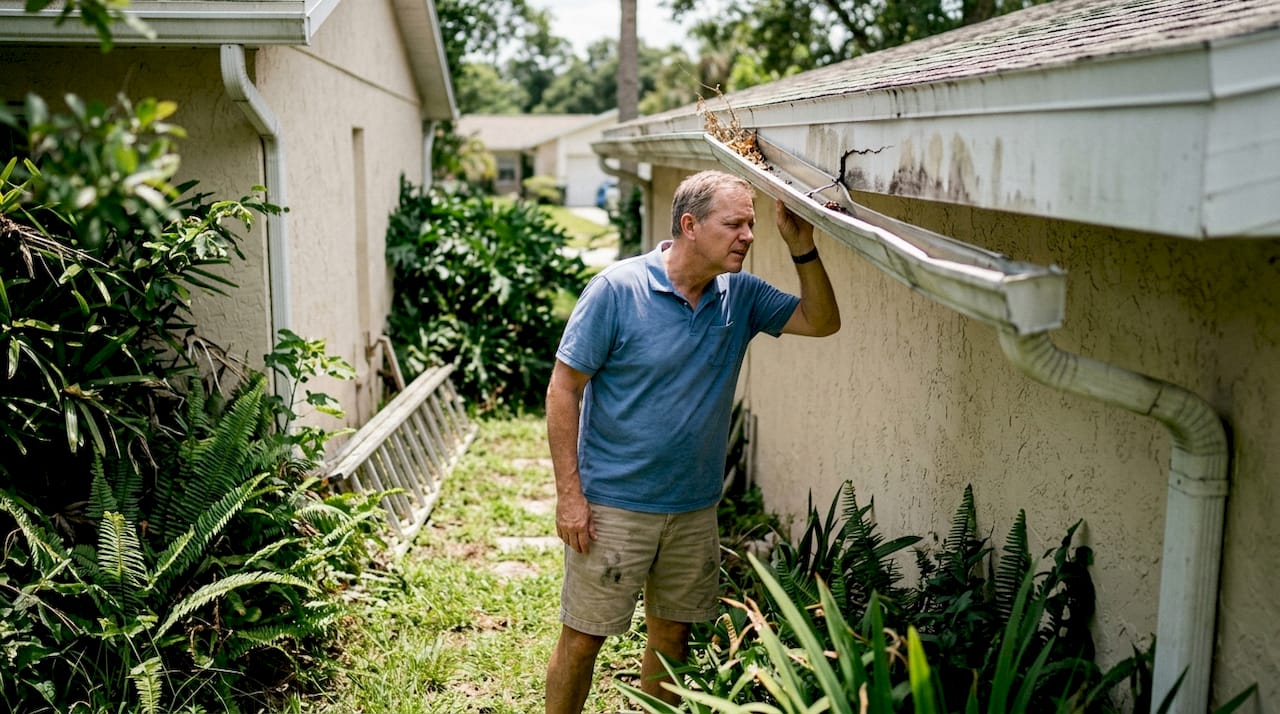
Once homeowners grasp the importance of gutter health, it’s essential to recognize the most obvious signs of failure. Physical damage is the most direct indicator that your gutters are no longer doing their job, and Florida’s weather accelerates that deterioration faster than most people expect.
Here are the most common visible signs that replacement is likely the right call:
- Cracks or splits in the gutter channel, even small ones, allow water to leak directly onto fascia boards and siding during heavy rain
- Visible sagging or bowing along any section of the gutter run, which signals that the internal supports have weakened
- Gutters pulling away from the roofline, leaving gaps where water escapes before it ever reaches the downspout
- Rust streaks or orange staining on the exterior of your home, a sign of prolonged moisture contact
- Peeling paint near the roofline, often caused by water consistently running behind the gutter instead of through it
Many homeowners assume that refastening a sagging section solves the problem. It rarely does. Sagging or pulling away from the roofline shows weakened fasteners or supports, which is especially common after heavy Florida storms, and refastening is often insufficient for the long term.
Worth knowing: A gutter that has pulled away from the roof even slightly creates a gap that funnels water directly behind your siding. In Florida’s rainy season, that can mean gallons of misdirected water every single storm.
Understanding your gutter maintenance needs is the first step. But when physical damage is widespread, maintenance alone won’t protect your home. The structural integrity of the system is gone, and preventing water damage requires starting fresh with a properly installed replacement.
Gutter age and material lifespan in Florida’s climate
Beyond visible damage, homeowners should consider the age and expected lifespan of their gutters, especially in Florida’s challenging environment. A gutter that looks fine on the outside may be corroding from within or losing its structural integrity after years of UV exposure and humidity.
| Gutter material | Typical lifespan (standard climate) | Typical lifespan (Florida climate) |
|---|---|---|
| Aluminum | 20-30 years | 15-20 years |
| Vinyl | 10-20 years | 8-12 years |
| Steel | 15-20 years | 10-15 years |
| Copper | 50+ years | 40-50 years |
Aluminum is by far the most common gutter material in Central Florida homes. It’s lightweight, affordable, and resists rust better than steel. But Florida’s combination of salt air (especially in coastal counties), constant UV radiation, and high humidity accelerates corrosion in ways that aren’t always visible from the ground. Age over 20 years for aluminum gutters combined with any visible wear warrants replacement because of accelerated corrosion from humidity, salt air, and UV exposure.
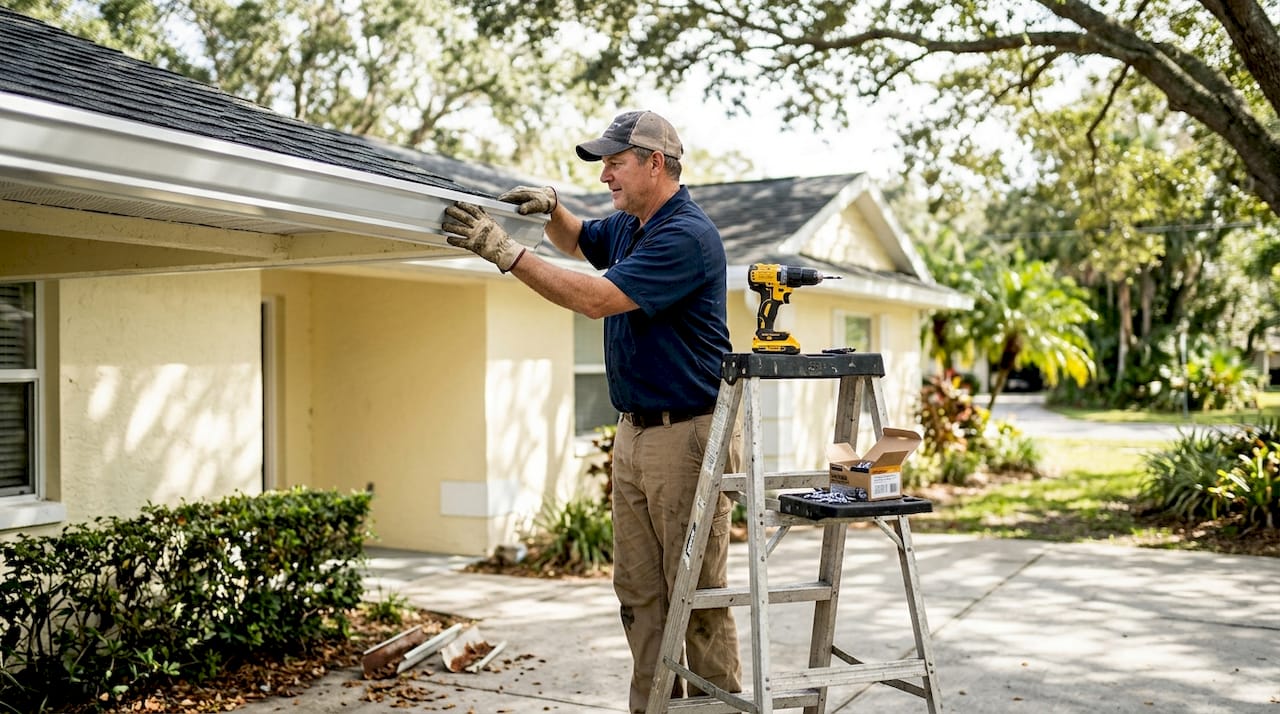
If your gutters are approaching or past that 20-year mark, the smart move is replacement rather than repeated patching. You can explore the best gutter options for Florida’s specific conditions to find a material and style that will hold up longer.
Pro Tip: Check your home’s purchase records or permit history to find the original gutter installation date. Many homeowners don’t know how old their gutters actually are, and that missing information leads to delayed replacements.
Water flow problems: recurring clogs and overflow issues
After considering age, homeowners should look for ongoing performance issues that signal the need for new solutions. A gutter that clogs repeatedly or overflows during moderate rain isn’t just inconvenient. It’s actively directing water where it shouldn’t go.
Here’s a practical sequence to assess whether your flow problems point to replacement:
- Count how often you clean your gutters. If you’re clearing clogs more than twice a year despite no major tree coverage, the gutter profile or pitch may be wrong for your home.
- Watch where water goes during rain. Overflow at the same spot every storm means the gutter can’t handle the volume, not just that it’s dirty.
- Check your fascia boards after rain. Soft, discolored, or warped fascia directly behind the gutter means water has been escaping consistently for a long time.
- Consider recent home changes. A new roof, especially one with metal or tile materials, sheds water significantly faster than older asphalt shingles.
Home changes like new roofs or additions often require resized gutters because old systems are undersized for faster-shedding materials like metal or tile roofs. Getting correct gutter sizing right from the start is critical in Central Florida, where a single afternoon storm can dump several inches of rain in under an hour.
If your gutters are the original size from when the home was built and you’ve since upgraded the roof or added square footage, replacement with a properly sized system isn’t optional. It’s necessary. Review the maintenance steps to understand what normal upkeep looks like versus what signals a deeper capacity problem.
Hidden risks: mold, foundation problems, and exterior damage
Some threats aren’t visible until significant damage has occurred, and understanding these risks highlights why proactive replacement matters. Failing gutters don’t just look bad. They create conditions that invite serious, expensive problems inside and outside your home.
Here’s what can happen when gutter replacement is delayed too long:
- Wood rot in fascia and soffit boards, which spreads quickly in Florida’s humidity and creates entry points for pests
- Mold growth inside wall cavities, triggered by moisture that seeps behind siding from overflowing or leaking gutters
- Pest infestations, particularly from carpenter ants and termites that are attracted to damp, rotting wood
- Foundation erosion, caused by water consistently pooling at the base of the home instead of being directed away
- Landscape destruction, where concentrated water runoff carves channels through flower beds and washes away soil
Refastening sagging or detached gutters is often not sufficient because the underlying support structure may already be compromised, which leads to further structural risks down the line.
Pro Tip: Walk around your home’s perimeter after a heavy rain. If you see water pooling within three feet of your foundation, your gutters are not doing their job, and every storm is quietly damaging your home’s structural base.
Understanding Florida gutter protection starts with recognizing that gutters are not decorative. They are a critical drainage system. When that system fails, the consequences reach far beyond a wet driveway. Investing in lasting gutter protection now is almost always cheaper than repairing the damage that comes from waiting.
Quick-reference table: When replacement is the best solution
To make all these considerations practical, homeowners need a clear, easy reference for identifying when gutter replacement is the right move. Use the table below as a checklist. If you check more than two boxes in the “Replace” column, it’s time to act.
| Warning sign | Repair may work | Replacement is the right call |
|---|---|---|
| Single small crack or hole | Yes, if isolated | No, unless widespread |
| Sagging or pulling from roofline | Temporary refastening | Yes, when recurring |
| Gutters over 20 years old | No | Yes, especially with any wear |
| Recurring clogs despite cleaning | Possibly add guards | Yes, if pitch or size is wrong |
| Water pooling near foundation | Adjust downspout | Yes, if system is undersized |
| Visible rust or corrosion | Spot treat if minor | Yes, if widespread |
| Fascia or soffit rot behind gutter | Repair boards only | Yes, replace gutters too |
Central Florida fact: Florida averages over 54 inches of rainfall per year, significantly above the national average of around 38 inches. Gutters here work harder and wear out faster than in most other states.
Understanding the individual gutter system parts helps you have a more informed conversation with a contractor and make sure nothing gets overlooked during a replacement estimate.
Why most Florida homeowners replace gutters too late
Here’s what we’ve seen after years of working on Central Florida homes: most homeowners don’t replace their gutters because they look bad. They replace them after something else breaks. A rotted fascia board. A flooded flower bed that finally reached the front door. A mold remediation bill that nobody expected.
The pattern is almost always the same. The gutters showed signs of trouble for one or two seasons. The homeowner noticed but figured it wasn’t urgent. A few repairs were done along the way, each one buying a little more time. Then one bad storm pushed everything past the tipping point, and suddenly the repair bill was three or four times what a proactive replacement would have cost.
We’re not saying every imperfect gutter needs to come down tomorrow. But we do believe that “mostly fine” is not a good standard for a system that protects your home’s foundation, walls, and roof edge every single time it rains. In Florida, that’s a lot of times. Understanding why gutters matter goes beyond aesthetics. It’s about protecting the entire investment you’ve made in your home. Acting a season early almost always costs less than reacting a season too late.
Upgrade your water protection with expert gutter solutions
Knowing when to replace your gutters is only half the equation. The other half is choosing the right system and the right installation team for Central Florida’s demanding conditions.

At Larry’s Gutters, we specialize in seamless gutter systems custom-fit to your home’s roofline, sized correctly for Florida’s rainfall, and built to last. Whether you’re starting from scratch or upgrading an aging system, our installation process guide walks you through exactly what to expect. We also offer gutter guard installation to reduce maintenance and keep your new system performing at its best. Contact us today for a free quote and protect your home before the next storm season arrives.
Frequently asked questions
How do I know my gutters need replacing instead of just cleaning?
Replace gutters if you see sagging, cracks, or repeated leaks, as these signs mean cleaning alone won’t solve the core problem. Sagging or pulling away from the roofline shows weakened fasteners or supports that simple cleaning cannot fix.
How long do gutters last in Central Florida?
Aluminum gutters typically last up to 20 years in Central Florida before humidity and salt cause problems that make replacement the safer choice. Age over 20 years combined with any visible wear is a clear signal to replace rather than repair.
What damage occurs if I delay gutter replacement?
Delaying replacement leads to leaks, wood rot, mold growth, and costly foundation repairs from uncontrolled water exposure. Refastening sagging gutters is often not enough because the underlying support may already be compromised.
Should I resize gutters after adding a new roof or home extension?
Yes, home upgrades like new roofs or additions often need larger gutters to keep up with increased water flow. New roofs or additions often require resized gutters because old systems are undersized for faster-shedding materials like metal or tile roofs.
