TL;DR:
- Box gutters are built into the roofline, offering a sleek appearance but hiding potential failures that can lead to interior water damage. Proper design, including adequate slope, sizing, and emergency overflow, is essential in Florida’s heavy rain climate to prevent costly repairs. Regular professional inspections and maintenance are crucial for ensuring their long-term performance and avoiding preventable problems.
Box gutters look polished, tucked away, and low maintenance. That’s exactly what makes them dangerous for homeowners who don’t know what to watch for. Concealed inside your roofline, these systems can silently fail for months before you notice water stains creeping across your ceiling or feel soft spots forming in your fascia. In Central Florida, where a single afternoon storm can dump several inches of rain in under an hour, that hidden risk becomes a real threat. This guide breaks down how box gutters work, what design standards matter, and how to keep them performing year after year.
Table of Contents
- What are box gutters and how do they work?
- Design mechanics: Size, slope, and drainage benchmarks
- Benefits and limitations of box gutters in Central Florida
- Maintenance essentials and warning signs to watch
- Why most box gutter failures are preventable if you know what to look for
- Protect your home with expert gutter solutions
- Frequently asked questions
Key Takeaways
| Point | Details |
|---|---|
| Box gutters conceal risks | Their hidden design can mask leaks until interior damage appears. |
| Design and maintenance are crucial | Proper sizing, slope, and routine checks prevent overflow and water damage. |
| Emergency overflow saves homes | Special overflow outlets are vital for managing Florida’s heavy rainfall. |
| Annual inspections recommended | Professional checks catch hidden blockages and prolong gutter lifespan. |
| Expert help maximizes protection | Professional installation and guidance safeguard your home from costly water issues. |
What are box gutters and how do they work?
Unlike the aluminum K-style or half-round gutters you see hanging on most homes, box gutters are built directly into the roof structure. They sit inside the roofline rather than hanging off the edge, creating a clean, integrated look that many homeowners and architects favor for historic or custom-built homes. The trough itself is typically lined with metal, fiberglass, or rubber membrane material and sits flush with the eave.
Water from the roof flows into this internal trough and drains through downspouts that are often routed through the wall or soffit. Because the entire system is tucked away, it’s largely invisible from the street. That’s a major aesthetic advantage, especially for homes in Central Florida neighborhoods where curb appeal matters.
Here’s the catch. That same hidden design also hides problems. As Johnson Restoration notes, box gutters provide high-capacity drainage and an unobtrusive architectural look but are harder to inspect and access. When a clog forms or a liner starts to crack, you won’t see it from the ground. You’ll often find out when water has already worked its way into your ceiling, your wall cavity, or your roof deck.
Key characteristics of box gutters:
- Built into or directly below the roofline, not hung on the outside edge
- Typically wider and deeper than standard gutters, offering greater water volume capacity
- Lined with waterproof material such as copper, lead, EPDM rubber, or fiberglass
- Downspouts are often concealed through interior walls or soffits
- Require professional access for inspection and cleaning due to their position
Pro Tip: If you’re buying a home with box gutters and you can’t find any visible maintenance records, schedule a professional inspection before closing. Hidden liner damage can turn into a five-figure repair fast.
Understanding gutter sizing for Florida homes is especially important with box gutters because undersizing the trough or outlets dramatically increases the risk of overflow during Florida’s intense summer storms.
Design mechanics: Size, slope, and drainage benchmarks
Getting a box gutter to work well is not just about installing a lined trough and calling it done. The design has to meet specific engineering standards, especially in a climate like Central Florida’s where rainfall intensity can be extreme and sustained.
Slope (fall) is the first critical factor. A box gutter needs a consistent downward pitch from the high end toward the outlet so water flows toward the drain rather than pooling. Standard slope ranges from 1:40 on the steeper end to 1:200 on the gentler side. Tighter slopes drain faster but can be difficult to achieve in older homes where the roofline may have settled. Too flat, and you get ponding. Ponding leads to liner deterioration, and liner deterioration leads to leaks.
Sizing and outlet placement are equally important. Outlets need to be large enough to handle peak rainfall volume, and in Florida, that peak can be severe. A single 4-inch outlet is rarely sufficient for a long run of box gutter in a region that sees average annual rainfall exceeding 50 inches. Outlets should be positioned at the lowest point of the run, and longer troughs may need multiple outlets.
| Design parameter | Recommended standard | Risk if ignored |
|---|---|---|
| Slope (fall) | 1:40 to 1:200 | Ponding, liner deterioration |
| Trough width | Minimum 6 inches for residential | Overflow during heavy rain |
| Trough depth | Minimum 4 inches | Insufficient volume capacity |
| Outlet diameter | At least 3 to 4 inches, larger preferred | Drainage bottleneck |
| Emergency overflow | Required at all runs | Interior flooding if primary blocked |
Emergency overflow provisions are the feature most homeowners overlook. These are secondary outlets or notches built into the trough wall that allow water to escape outward and away from the home if the primary drain becomes blocked. They’re a non-negotiable safeguard in Florida. Key design standards for avoiding overflow include adequate slope and proper outlet sizing along with routine maintenance to prevent blockages.
Common box gutter design issues to avoid:
- Flat or reverse slope causing water to pool at the wrong end
- Single undersized outlet on a long trough run
- No emergency overflow mechanism installed
- Liner material incompatible with local temperature swings
- Outlet placed too high above the trough floor, leaving standing water
Pro Tip: When reviewing a box gutter installation quote, ask specifically whether emergency overflow provisions are included in the design. Many budget installs skip this step, and that omission can cost you thousands in interior water damage.
If you’re ever unsure about your home’s existing setup, a detailed look at how to install gutters step by step can help you understand what a properly planned system should include. For the drainage side of things, understanding how gutter drainage systems work for Florida homes gives you a foundation for asking the right questions.
Benefits and limitations of box gutters in Central Florida
Box gutters have legitimate advantages, but they also carry risks that are amplified by Florida’s weather patterns. Understanding both sides helps you make the right decision for your home.
“Box gutters handle large water volumes but issues can be less visible and failures may only show as interior leaks once water escapes the system.”
Benefits of box gutters for Florida homeowners:
- High drainage capacity. Their larger trough volume handles heavy, fast-moving rain better than narrow standard gutters, which can overflow during Florida’s intense storm cells.
- Architectural integration. For homes with specific design requirements, especially older or custom-built properties, box gutters maintain a clean roofline that external gutters can’t match.
- Durability when properly maintained. A well-lined box gutter using copper or EPDM membrane can last decades if inspected and relined on schedule.
- Reduced exposure to impact. Because they’re built in, they aren’t as vulnerable to wind uplift, ladder damage, or debris impacts that can knock standard gutters loose.
Limitations and risks in a Florida climate:
- Hidden failures are the biggest danger. Because the trough is inside the roofline, a cracked liner or blocked outlet can leak for weeks before you see any sign inside your home.
- Maintenance is harder and more expensive. You can’t easily eyeball the condition of a box gutter from the ground or from a standard ladder position. Cleaning requires more effort and often professional equipment.
- Repair costs are higher. Relining a box gutter or repairing a rotted section of the roof deck underneath involves significantly more labor than replacing a standard gutter section.
- Clogs are less obvious. Leaves and debris accumulate inside the trough without any visible sign, and a clogged outlet can turn a moderate rainstorm into a damaging overflow event.
| Feature | Box gutters | Standard external gutters |
|---|---|---|
| Drainage capacity | High | Moderate to high |
| Visibility of problems | Low (hidden) | High (visible from ground) |
| Maintenance access | Difficult | Easy |
| Aesthetic integration | Excellent | Standard |
| Repair cost | Higher | Lower |
| Emergency overflow provision | Must be designed in | External overflow more obvious |
If you already have a box gutter that’s showing signs of trouble, learning how to fix gutter leaks is a useful starting point. For homeowners considering whether to reline, upgrade, or switch systems entirely, the upgrade gutter drainage guide for Central Florida homes covers your options in real detail.

Maintenance essentials and warning signs to watch
This is where box gutter ownership gets real. Aesthetics and drainage capacity only matter if the system stays clean, watertight, and structurally sound. For Central Florida homeowners, that means building a consistent maintenance routine and knowing exactly what signals to pay attention to.
“Box gutters’ hidden design means issues can go unnoticed until water leaks inside the home or stains ceilings.”
Step-by-step box gutter maintenance routine:
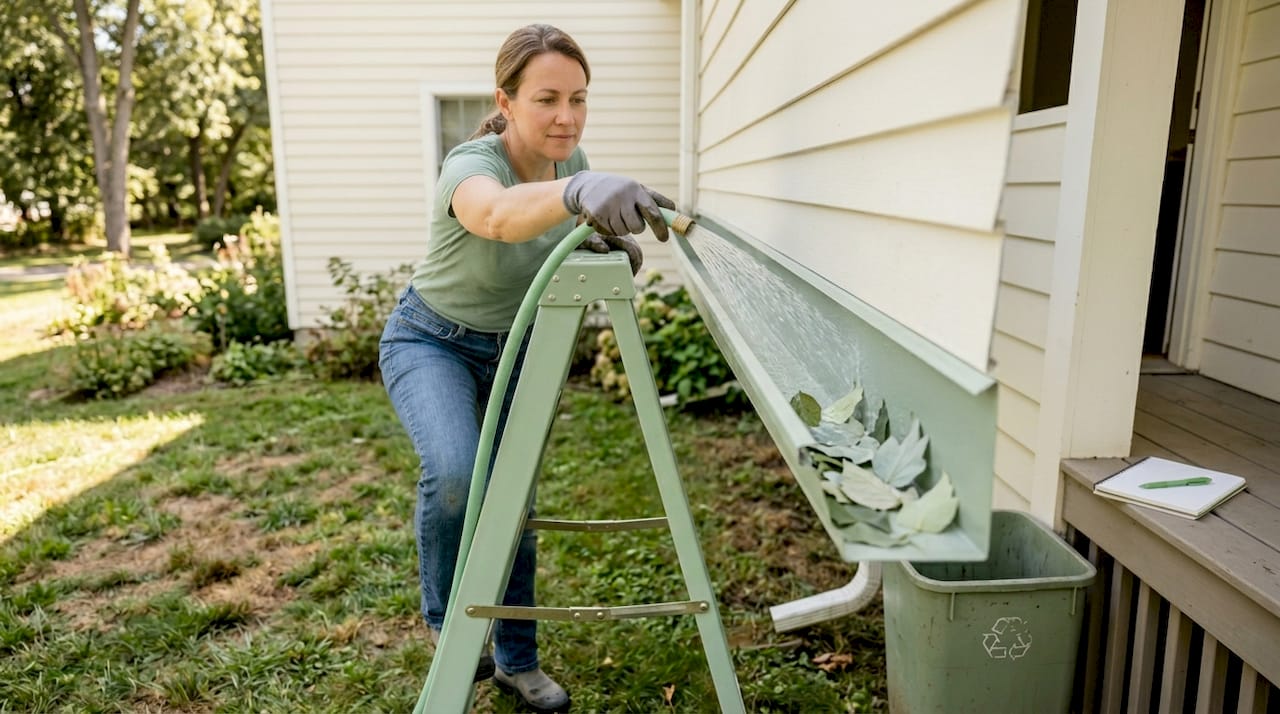
- Clean the trough at least twice a year. In Central Florida, leaf fall from oak trees and debris from summer storms can clog outlets fast. Spring and late fall cleanings are the baseline minimum.
- Flush with water after every cleaning. Running a hose through the trough after removing debris shows you immediately whether the outlet is flowing freely or still partially blocked.
- Inspect the liner visually every year. Look for cracks, bubbling, separating seams, or rust spots. These are early signs of liner failure. Catching them early means a patch repair rather than a full reline.
- Check the slope after every major storm. Heavy storms can shift older roof structures. If you notice water pooling in the trough rather than draining after a normal rain, the slope may have changed.
- Schedule a professional inspection annually. A qualified contractor can get into areas you can’t easily reach and identify problems before they reach your interior.
- Test emergency overflow provisions. If your box gutter has overflow notches or secondary outlets, verify they’re clear and functional. A blocked emergency overflow turns a rainstorm into a crisis.
Warning signs that need immediate attention:
- Water stains or discoloration on interior ceilings, especially near exterior walls
- Soft or spongy spots in your ceiling drywall or plaster
- Visible rust streaking on any exposed metal parts of your roofline
- Peeling paint or mold on interior walls adjacent to the roofline
- Ponding water visible in the trough days after the last rain
- Unusual sound of dripping inside walls during or after rain
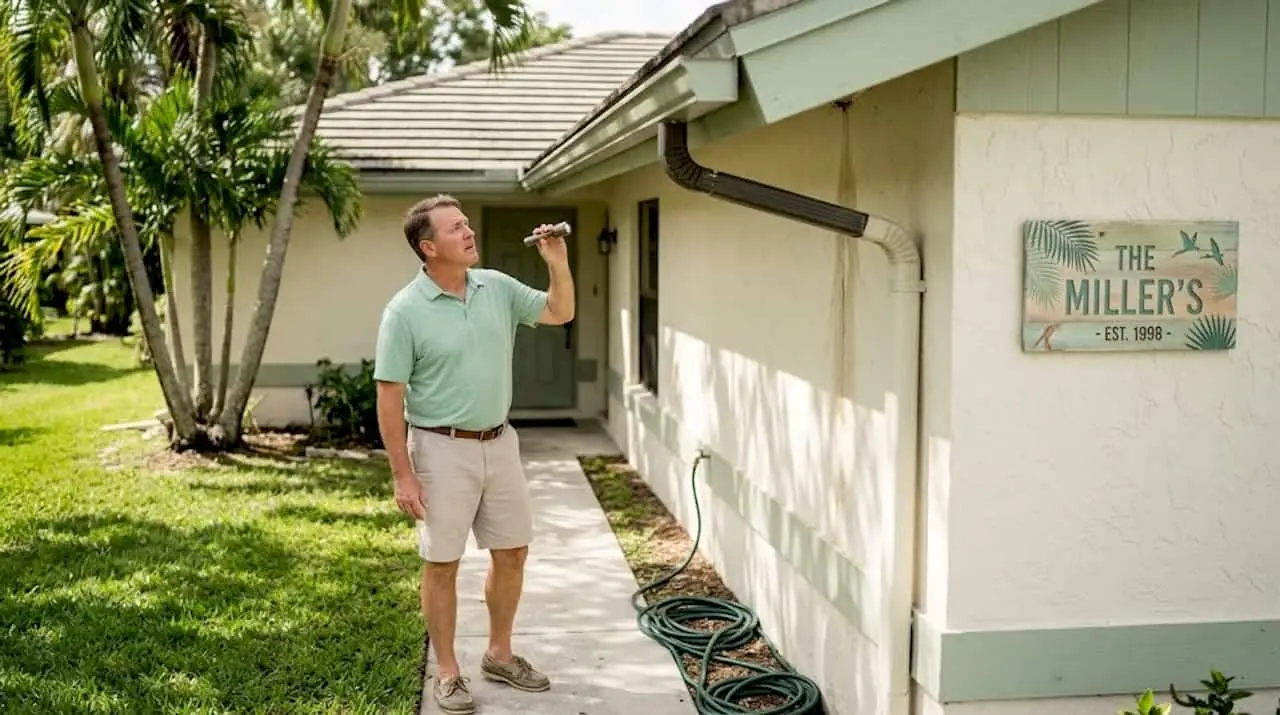
Pro Tip: Set a reminder on your phone every six months for a box gutter walkthrough. It takes 20 minutes with a garden hose and a flashlight, and it can save you from a repair bill that runs into thousands of dollars.
Staying on top of seamless gutter maintenance practices can add years to any gutter system. And if debris buildup is a persistent issue for your home, exploring a gutter guard installation designed specifically for Florida conditions can dramatically reduce how often you need to clean.
Why most box gutter failures are preventable if you know what to look for
After seeing a wide range of gutter systems across Central Florida, one thing stands out clearly: the vast majority of box gutter failures aren’t caused by the gutter itself. They happen because of two preventable problems. Either the drainage was undersized from the start, or routine maintenance was skipped long enough that a small clog became a structural issue.
Florida’s rainfall doesn’t give you much margin for error. When a summer storm drops two inches of rain in 45 minutes, an undersized outlet or a partially blocked trough doesn’t just overflow. It forces water into your roof deck, your fascia, and eventually your ceiling. The storm is not the problem. The neglected system is.
The second overlooked safeguard is the emergency overflow provision. Most homeowners have never heard of it, and many installed box gutter systems don’t include it because it wasn’t in the original quote. But as the research is clear, emergency overflow provisions are a key safeguard when primary drainage is overloaded or blocked. Without them, water has nowhere to go but inside your home.
Annual professional inspections are where the math gets interesting. A yearly check typically costs a fraction of what even a minor interior water damage repair costs. If a contractor catches a cracked liner during an inspection, you’re looking at a patch or a localized reline. If that same crack goes unnoticed for two rainy seasons, you may be dealing with rotted roof decking, damaged insulation, and mold remediation. The inspection cost pays for itself the moment it catches one problem early.
Understanding proper gutter sizing for your home before installation is one of the most important steps any Florida homeowner can take. Getting that part right from the beginning eliminates a whole category of future failures.
The perspective here is simple. Box gutters are not inherently bad systems. They’re demanding systems. They reward homeowners who stay engaged and penalize those who assume that “hidden” means “handled.”
Protect your home with expert gutter solutions
Box gutters require precision design, proper sizing, and consistent professional attention. That’s not a drawback if you have the right team behind you.

At Larry’s Gutters, we work with homeowners across Central Florida to design, install, and maintain gutter systems that handle whatever Florida’s weather throws at them. Whether you’re managing an existing box gutter system, considering an upgrade, or starting fresh with a seamless gutter installation, our team brings hands-on experience with Florida’s specific rainfall demands. From gutter sizing to guard installation to full drainage upgrades, we customize every solution for your home. Contact us today for a free quote and find out what your home’s rainwater management system actually needs.
Frequently asked questions
What makes box gutters different from regular gutters?
Box gutters are built into the roof structure for a hidden, integrated look, while regular gutters are attached to the outside edge of the roofline and are fully visible.
Can box gutters handle the heavy rain typical in Central Florida?
Yes, when properly sized and maintained, they offer strong drainage capacity. The key is adequate slope and properly sized outlets to prevent overflow during high-intensity storms.
What warning signs should I look for to catch box gutter problems early?
Watch for interior ceiling stains, soft drywall near exterior walls, or ponding in the trough after rain. These signals of interior leakage often indicate the system needs immediate attention.
How often should box gutters be professionally inspected?
Annual professional inspection is the standard recommendation. Because box gutters are harder to access, problems are rarely visible without a direct inspection and can worsen quickly if left unchecked.
