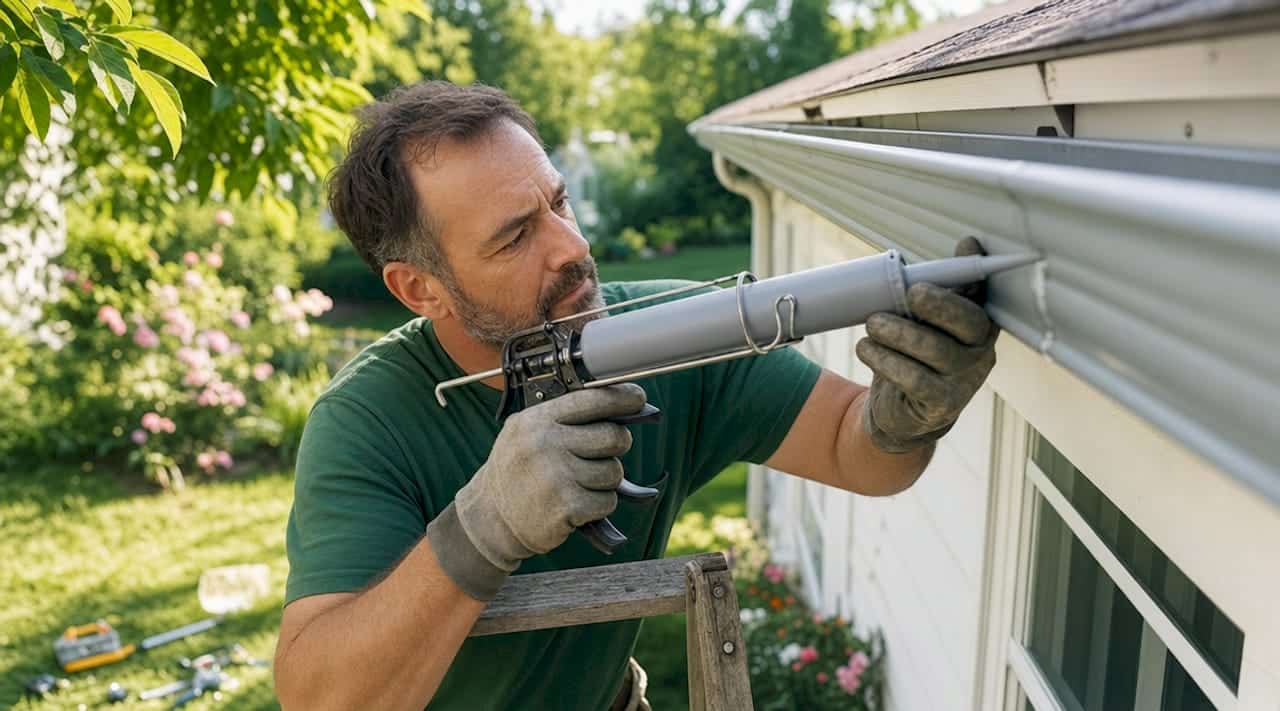
TL;DR:
- Gutter caulking involves applying waterproof sealant to seams and joints to prevent leaks and protect your home from water damage. Proper surface preparation, interior application, and selecting the right sealant are essential for long-lasting results, especially in high UV and heavy rainfall areas like Florida. Regular inspections and timely reapplication help maintain gutter integrity and prevent costly structural repairs.
Gutter caulking is defined as the process of applying a specialized waterproof sealant to gutter seams, joints, corners, and end caps to stop leaks and protect your home from water damage. The role of gutter caulking goes well beyond plugging a visible drip. It preserves the structural integrity of fascia boards, soffits, and foundations by keeping water inside the channel where it belongs. Professionals rely on three primary sealant types: butyl rubber, silicone, and polyurethane. Each serves a different purpose depending on your gutter material, climate, and the type of stress the joint faces. Getting this right from the start saves you from repairs that cost far more than a $15 tube of sealant.
Why gutters need caulking and what happens when you skip it
Gutters are not one continuous piece of metal. They connect at seams, corners, end caps, and downspout outlets. Every one of those connection points is a potential leak. Over time, thermal expansion, heavy rain, and debris loading cause those joints to shift and separate. When they do, water escapes before it reaches the downspout.
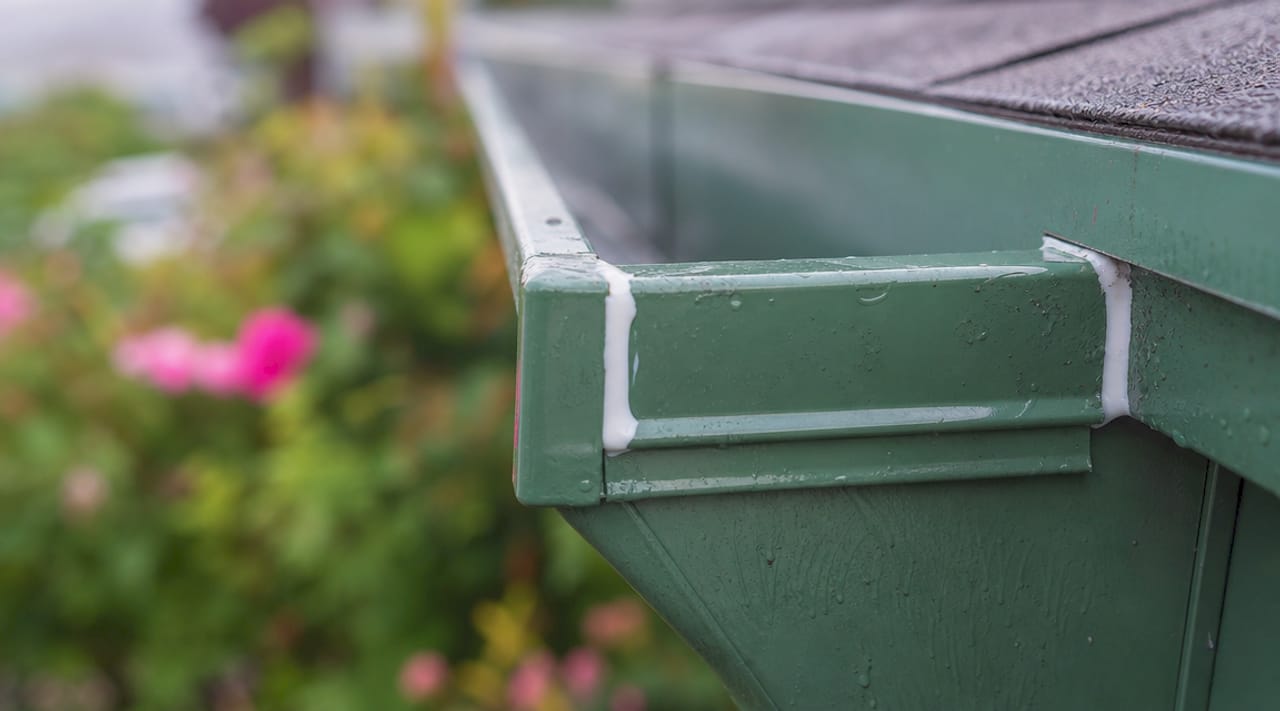
The consequences of ignoring small leaks compound fast. Neglecting small gutter leaks leads to wood rot, foundation damage, mold growth, and landscape erosion. A $15 tube of quality sealant can prevent thousands of dollars in structural repair. That math is hard to argue with, especially in Central Florida where rainfall is heavy and frequent.
The most common leak points in a residential gutter system are:
- Seams and lap joints where two gutter sections overlap
- Inside and outside corners where sections meet at angles
- End caps at the terminal ends of each gutter run
- Downspout outlets where the gutter feeds into the vertical pipe
Caulking addresses all of these points directly. It is not a patch repair in the traditional sense. Applied correctly, it creates a continuous waterproof barrier that moves with the gutter as temperatures change. Compare that to replacing a full gutter section or repairing water-damaged fascia boards, and the cost difference is significant. You can learn more about common failure points in this guide to fixing gutter leaks from Larrysgutters.
Choosing the right sealant: types and best use cases
Not every sealant belongs in a gutter. This is where many DIY projects fail before they even start. Using non-specialized household adhesives causes high failure rates within 12 months. Standard indoor silicone caulk, for example, lacks the UV resistance and flexibility that outdoor gutter conditions demand.
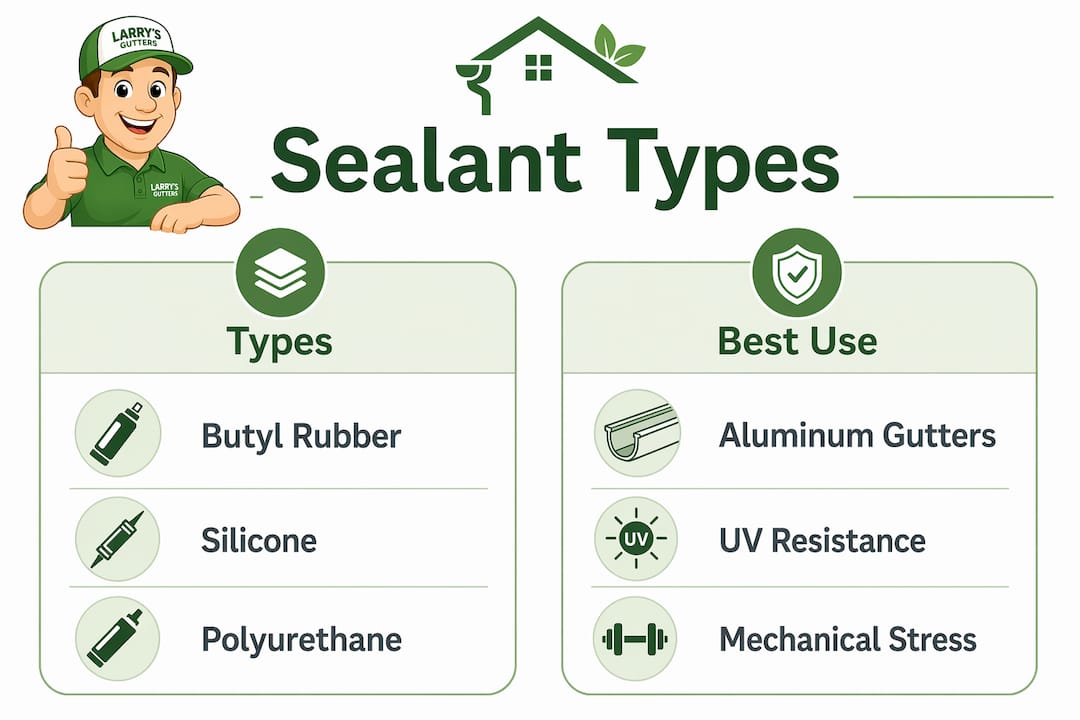
Here is how the three main professional sealant types compare:
| Sealant type | Best for | Key advantage | Limitation |
|---|---|---|---|
| Butyl rubber | Aluminum gutters, general seams | Excellent adhesion, flexible | Not paintable |
| Silicone (exterior grade) | High UV exposure climates | UV resistant, long lasting | Difficult to paint over |
| Polyurethane | Joints with mechanical stress | Paintable, handles movement | Slightly less UV resistant |
Silicone excels in UV resistance and flexibility, while polyurethane handles joints under mechanical stress and accepts paint. Silicone is the better choice for Florida homeowners dealing with intense sun exposure year-round. Butyl rubber remains the go-to for aluminum gutters because it bonds directly to metal without primer and stays flexible through repeated thermal cycling.
Pro Tip: Buy a sealant labeled specifically for gutters or exterior metal. Products from brands like GE, DAP, and Geocel make exterior-grade formulas designed for exactly this application. Avoid anything labeled “interior use” or “general purpose.”
One more pitfall worth calling out: specialty gutter repair tapes exist and can work for very minor surface cracks, but they are not a substitute for proper sealant at joints and seams. They peel under sustained water flow and UV exposure faster than any of the three sealant types above.
How to prepare gutters for caulking
Surface preparation is the single most important factor in how long your sealant lasts. Applying sealant on dirty or damp surfaces results in immediate adhesion failure. The sealant cures against the contaminant instead of the metal, and the bond breaks the first time water runs through.
Follow these steps before you open a single tube of sealant:
- Clear the gutter of all debris. Remove leaves, dirt, and standing water with a scoop and garden hose. You cannot prep a surface you cannot see.
- Remove all old sealant. Use a putty knife or 5-in-1 tool to scrape out every trace of the previous application. Old sealant prevents the new layer from bonding to the metal.
- Scrub with a wire brush. Work the brush along the seam to remove rust, oxidation, and any remaining adhesive residue.
- Wipe with a solvent. Acetone or denatured alcohol on a clean rag removes oils and fine particles the brush leaves behind.
- Let it dry completely. This is non-negotiable. Even a thin film of moisture under the sealant causes failure. In Florida’s humidity, give the gutter at least two to three hours of direct sun exposure after cleaning before you apply anything.
Pro Tip: Schedule your caulking project for a dry morning after at least 48 hours of no rain. Check the forecast for the next 24 hours too. Most sealants need a full cure window without water exposure to bond properly. Larrysgutters recommends reviewing the Florida rainy season prep guide before starting any gutter work.
How to apply gutter caulking correctly
Correct application technique separates a repair that lasts three years from one that fails in three months. The single most common mistake DIYers make is sealing the outside of the joint instead of the inside. Exterior sealant peels quickly due to weathering and does not stop water from entering the seam from the inside. Always apply sealant on the interior surface of the gutter.
Here is the correct application sequence:
- Load your caulk gun and cut the tip at a 45-degree angle to match the width of the seam.
- Position yourself so you can see the full interior of the joint.
- Run a continuous bead of sealant along the entire seam without stopping. Gaps in the bead are future leak points.
- Use a gloved finger or a caulk tool to press the bead into a concave shape. This pushes the sealant into the joint and creates a profile that sheds water rather than collecting it.
- Wipe away any excess with a damp cloth before it cures.
A few additional rules to follow:
- Apply sealant only when temperatures are above 40°F. Cold temperatures prevent proper curing and adhesion.
- Do not apply in direct midday sun in summer. The metal surface gets too hot and the sealant skins over before bonding fully.
- For gaps wider than 0.25 inches, sealant alone is not enough. Mechanical fasteners or metal bridging must be installed first. Sealant stretched across a large gap will tear under water flow and thermal movement.
- Always work from a stable ladder. Use a ladder stabilizer to keep the ladder off the gutter itself, which can dent aluminum and break the very seams you are trying to fix.
Maintaining gutters with regular caulking and inspection
Gutter sealant is not a permanent fix. Caulk-based gutter repairs last between 1 and 3 years depending on climate, water volume, and maintenance habits. In Florida, where UV exposure is extreme and rainfall is heavy, expect to inspect and potentially reapply closer to the one-year mark.
Several factors accelerate sealant failure beyond normal wear:
- Debris buildup. Leaves and dirt trap moisture against the seam, softening the sealant bond over time.
- Improper slope. Gutters that do not drain fully leave standing water at joints, which degrades sealant faster than flowing water.
- Mechanical separation. Gutters that sag or pull away from the fascia create physical stress on joints that no sealant can withstand long-term.
- Thermal cycling. Florida’s temperature swings between seasons cause metal to expand and contract, gradually working the sealant loose.
Many perceived gutter leaks are actually overflow caused by clogging or improper slope, not joint failure. Before you reach for the caulk gun, verify that your gutters drain freely and are pitched correctly toward the downspout. Sealing a joint that is not actually leaking wastes time and product.
A bi-annual inspection schedule works well for most Florida homeowners. Check gutters in spring before the rainy season and again in fall after hurricane season ends. The Florida gutter maintenance checklist from Larrysgutters walks through every inspection point in sequence. When you spot sealant that is cracked, peeling, or pulling away from the metal, that is your signal to clean and reapply before the next heavy rain.
Key takeaways
Gutter caulking works because proper sealant selection, thorough surface preparation, and interior application together create a waterproof bond that protects your home’s foundation, fascia, and soffits from water damage.
| Point | Details |
|---|---|
| Interior application is mandatory | Sealing only the exterior fails quickly. Always apply sealant inside the gutter joint. |
| Match sealant to conditions | Use butyl rubber for aluminum gutters, silicone for high UV climates, and polyurethane for paintable or high-stress joints. |
| Prep determines longevity | Remove all old sealant, scrub with a wire brush, wipe with solvent, and let the surface dry completely before applying. |
| Inspect every six months | Sealant lasts 1 to 3 years. Bi-annual checks catch failures before they cause structural damage. |
| Large gaps need mechanical fixes first | Gaps wider than 0.25 inches require fasteners or bridging before sealant. Caulk alone will tear under stress. |
What I’ve learned from watching DIYers get this wrong
Most homeowners who call Larrysgutters after a failed DIY caulking job made the same two mistakes: they sealed the outside of the joint and they skipped surface prep. Both feel like shortcuts that save time. Both guarantee a callback within a season.
The exterior sealing mistake is understandable. You see a gap from the outside, you fill it from the outside. But water travels inside the gutter, and the leak is happening at the interior face of the seam. Exterior sealant does not reach that surface. It looks fixed until the next rain proves otherwise.
The prep shortcut is even more costly. I have seen homeowners apply a quality polyurethane sealant over a damp, oxidized seam and wonder why it peeled off in sheets two weeks later. The sealant was fine. The surface was not. Spending 20 minutes on proper cleaning and drying is the difference between a repair that holds for three years and one that fails in three weeks.
One more thing worth saying plainly: if your gutters are sagging, pulling away from the fascia, or have joints separated by more than a quarter inch, caulking is not the right first step. Seamless gutter installation eliminates most of these joint problems entirely because the gutter runs as a single piece with far fewer seams to seal. For gutters in good structural condition, caulking is one of the most cost-effective maintenance tasks you can do. Do it right and it protects your home for years at minimal cost.
— Larrysgutters
How Larrysgutters can help with your gutter maintenance
When DIY caulking is not enough, or when your gutters need more than a tube of sealant can fix, Larrysgutters is ready to help Central Florida homeowners get it right.

Larry’s Gutters specializes in seamless gutter systems that reduce the number of joints and seams in your gutter run, which means fewer places for leaks to start. If you are weighing whether to repair your existing gutters or upgrade, the seamless gutter value guide breaks down the cost comparison clearly. For homeowners dealing with active leaks, the professional leak repair service from Larrysgutters covers everything from resealing joints to full section replacement. Contact Larrysgutters directly for a free quote and get your gutters ready for whatever Florida’s weather brings next.
FAQ
What is gutter caulking used for?
Gutter caulking is a waterproof sealant applied to gutter seams, joints, corners, and end caps to stop leaks and prevent water from escaping the gutter channel. It protects fascia boards, soffits, and home foundations from water damage.
How long does gutter caulking last?
Gutter sealant typically lasts 1 to 3 years depending on climate, water volume, and maintenance habits. Florida homeowners should inspect sealant annually due to intense UV exposure and heavy rainfall.
Should I caulk the inside or outside of gutters?
Always apply sealant on the interior of the gutter joint. Exterior sealant fails quickly from weathering and does not stop water from penetrating the seam from the inside where leaks actually originate.
What is the best sealant for aluminum gutters?
Butyl rubber sealant is the preferred choice for aluminum gutters because it bonds directly to metal, stays flexible through thermal cycling, and does not require a primer. Exterior-grade silicone is a strong alternative in high UV environments.
When is caulking not enough to fix a gutter leak?
Caulking is not sufficient when joint gaps exceed 0.25 inches, when gutters are sagging or pulling away from the fascia, or when the leak is caused by overflow from clogging or improper slope rather than a failed seam seal.
