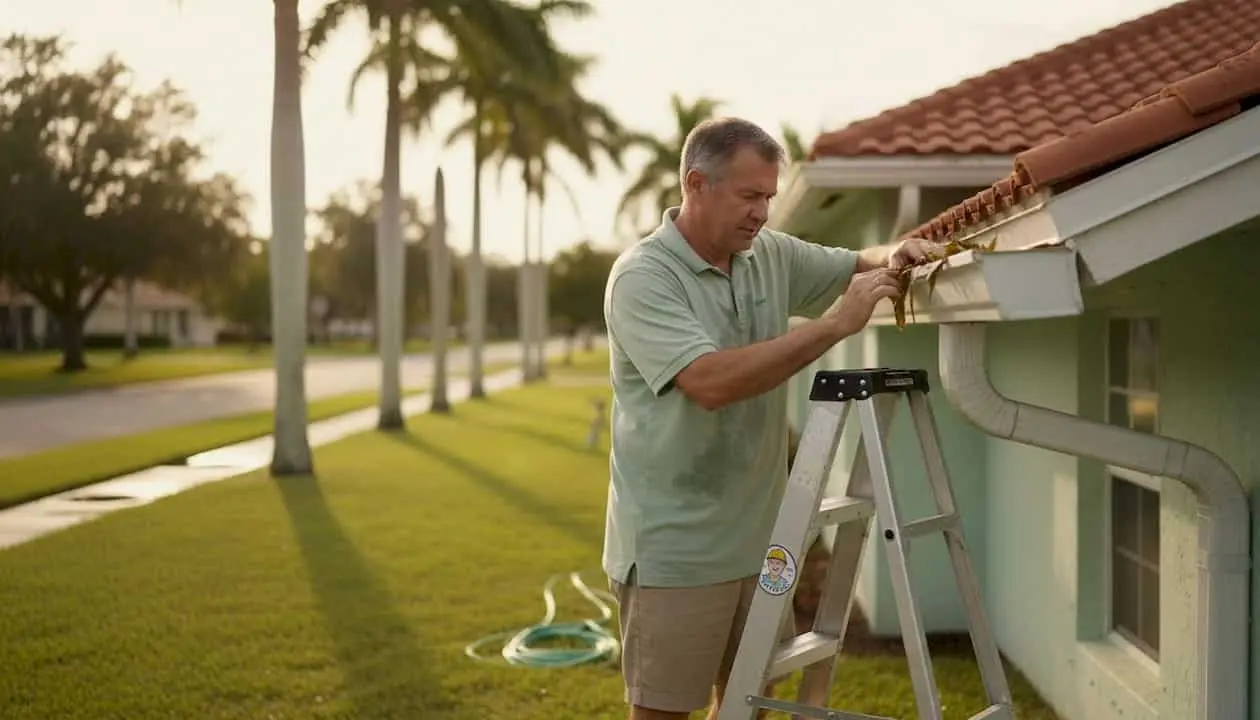
TL;DR:
- Gutter reinforcement involves strengthening hangers, fasteners, and support structures to prevent sagging and failure under heavy rain and debris in Florida’s climate. Proper support, pitch, and fascia condition are essential for durability, especially given high rainfall and storm loads. Addressing all system components collectively ensures long-lasting gutter performance and home protection.
Most homeowners assume gutters just need a good cleaning twice a year, and that’s enough. It isn’t. What is gutter reinforcement? It’s the process of strengthening the hangers, fasteners, and support structures that hold your gutters against your home so they don’t sag, pull away, or fail under load. In Central Florida, where gutter reinforcement prevents sagging and failure caused by heavy downpours and debris, skipping this step puts your roof, walls, and foundation at real risk. This guide breaks down exactly what reinforcement involves and what you can do about it.
Table of Contents
- Basics of gutter reinforcement and why it matters for Central Florida homes
- Key components and mechanics of gutter reinforcement
- How gutter pitch and load affect reinforcement strategies
- Practical steps for reinforcing gutters on your Central Florida home
- Why a complete system approach matters for gutter performance and reinforcement
- The overlooked truth about gutter reinforcement many homeowners miss
- Explore gutter reinforcement and protection solutions with Larry’s Gutters
- Frequently asked questions
Key Takeaways
| Point | Details |
|---|---|
| Gutter reinforcement explained | It involves strengthening hangers and fasteners to prevent sagging or leaks under heavy rains common in Central Florida. |
| Load transfer is key | Effective reinforcement transfers gutter weight safely into solid fascia or rafters without fastener failure. |
| Pitch and fascia health matter | Correct gutter slope and sound fascia are essential foundations for long-lasting reinforcement. |
| System approach needed | Reinforcement works best combined with proper pitch, downspout routing, and discharge design. |
| DIY with caution | Homeowners can reinforce gutters but should fix fascia damage and complex issues with professional help. |
Basics of gutter reinforcement and why it matters for Central Florida homes
Gutter reinforcement means more than tightening a few screws. It refers to upgrading or improving the gutter support structures including the hangers, brackets, and fasteners that anchor your gutters to the fascia board along your roofline. When those supports are weak, spaced too far apart, or corroded, your gutters lose their ability to carry water away from your home efficiently.
Central Florida doesn’t give gutters a break. The region averages over 50 inches of rain per year, with intense afternoon storms that dump inches of water in under an hour. That kind of volume puts enormous stress on gutter channels. According to gutter reinforcement strengthening hangers, proper support prevents sagging and leaks under heavier water flow and debris load. Without reinforcement, gutters sag, collect standing water, and eventually pull away from the house entirely.
Read through essential gutter tips for Central Florida to understand the full picture of what Florida’s rainfall demands from your system. The benefits of gutter reinforcement go beyond avoiding sagging; they include protecting your home’s foundation from erosion, preventing fascia rot, and stopping water from backing up under your roofline.
Signs your gutters need reinforcement:
- Visible sagging or bowing sections
- Gutters pulling away from the fascia
- Water spilling over the sides during rain instead of draining
- Leaks at joints or seams
- Rust stains or visible corrosion on the gutter exterior
- Soft, damp, or rotted fascia boards behind the gutters
If you see even two of these, reinforcement isn’t optional anymore.
Key components and mechanics of gutter reinforcement
Understanding how reinforcement works helps you make smarter decisions about what your system actually needs. The three primary players are hangers, fasteners, and the fascia board they attach to.
Gutter hangers are the brackets or straps that hold the gutter channel against your home. Hangers transfer water and debris weight to building structures, and the correct hanger type, fastener material, and spacing are all critical to preventing failure.
Common hanger types include:
- Hidden hangers: Inside the gutter channel, nearly invisible from the ground, and the current industry standard for durability
- Strap hangers: Wrap over the top of the gutter and nail into the roof deck; suitable in specific configurations
- Spike and ferrule: The old method where a long nail is driven through the gutter face; prone to loosening over time and not recommended for new installations
Fasteners are the screws or bolts that drive through hangers into the fascia. They need to penetrate solid, healthy wood at a minimum depth of 1.5 inches to resist pullout when the gutter is carrying a full load of water and debris. Using the wrong fastener in the wrong material is a very common mistake.
“Load transfer is the operative mechanical principle for gutter reinforcement.” The hanger is only as strong as what it’s anchored to.
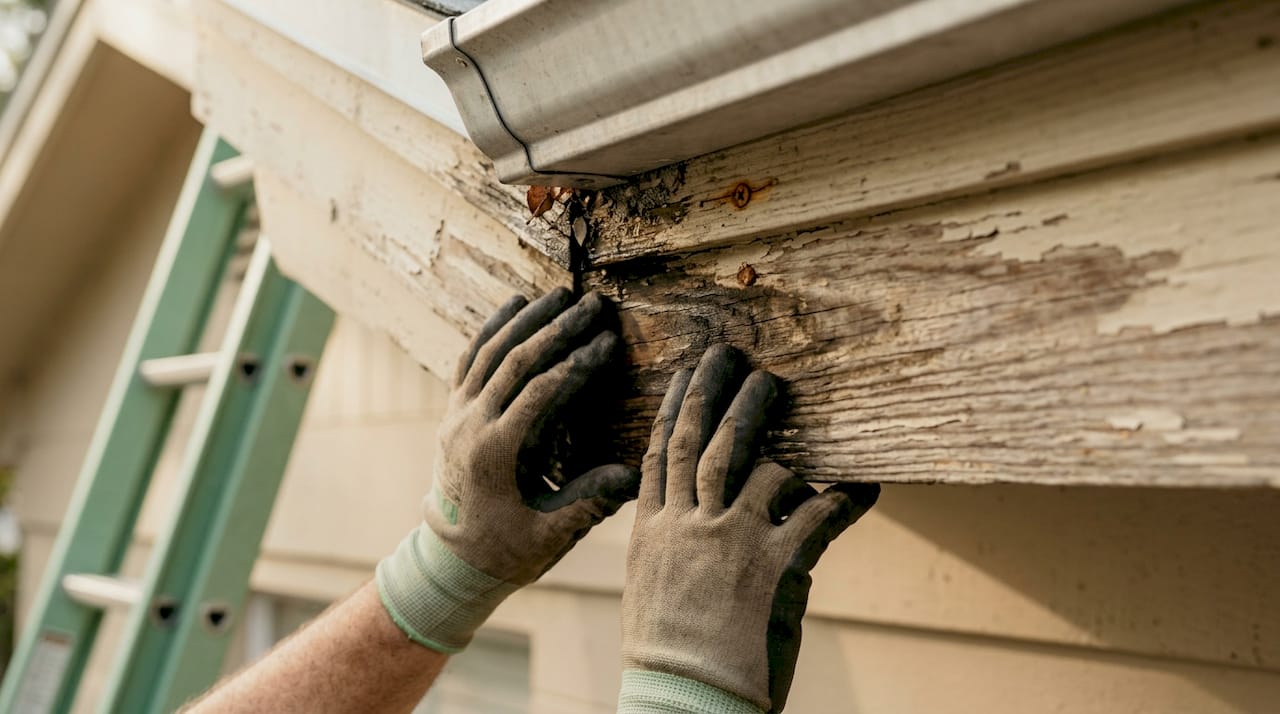
Fascia condition is the variable most homeowners underestimate. If the fascia is soft, spongy, or rotted, even the best hangers and screws won’t hold. The wood behind the bracket must be solid enough to grip the fastener under repeated load cycles.
Pro Tip: Use stainless steel or aluminum fasteners when working with aluminum gutters. Galvanic corrosion occurs when incompatible metals contact each other in a moist environment, and Florida’s humidity accelerates that process significantly.
Before reinforcing, take a close look at your gutter installation guide to confirm your system is set up correctly from the start. If you’re comparing options, cost-effective gutter options can help you understand where to invest based on your home’s specific layout.
How gutter pitch and load affect reinforcement strategies
Gutter pitch is the angle at which gutters slope toward the downspout. It’s not dramatic, just enough to keep water moving. Proper pitch is 1/4 inch drop per 10 feet of gutter run. That small angle makes a big difference in load management.
When pitch is wrong, water pools in low spots. Standing water adds weight continuously, stressing hangers between cleanings. That weight compounds when leaves, twigs, and sediment accumulate on top. In Central Florida, roof debris from oak trees and palm fronds adds meaningful load year-round.
Here’s how gutter size affects load capacity under different conditions:
| Condition | 5-inch gutter | 6-inch gutter |
|---|---|---|
| Full water flow (peak rain) | ~1.2 lbs/ft | ~1.8 lbs/ft |
| Weighted debris accumulation | adds 0.5–1.0 lbs/ft | adds 0.5–1.0 lbs/ft |
| Ice loading (rare in FL) | moderate risk | lower risk |
| Overflow risk at outlets | higher | lower |
The 6-inch gutter gives you more margin during heavy storms, which matters in Central Florida. But size alone doesn’t help if pitch is off or hangers are spaced too far apart.
Gutter reinforcement methods for pitch correction include repositioning hangers at a steeper angle and in some cases removing and rehanging an entire gutter run. At corners and downspout outlets, hanger density should increase because those are the highest-stress points in the system.
Pro Tip: Use a 4-foot level during your gutter inspection. Hold it against the bottom of the gutter channel. If you see water sitting away from the downspout end, that section needs re-pitching.
Knowing how to fix gutter leaks often starts with correcting pitch, not just sealing joints. And if you’re evaluating your current system, reviewing best gutters for homes will help you decide whether reinforcement is worth it or a replacement makes more financial sense.
Practical steps for reinforcing gutters on your Central Florida home
This is where knowledge becomes action. Reinforcing gutters on your own is possible for single-story homes with accessible fascia. Here’s a clear sequence:
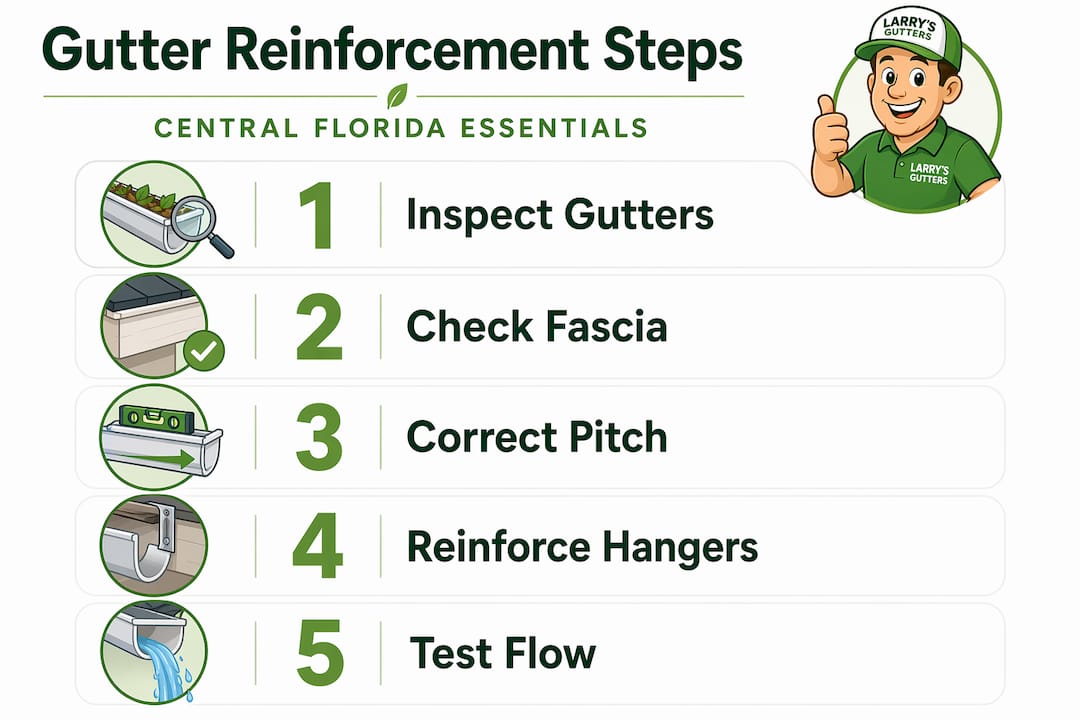
- Inspect the full gutter run. Look for sagging, gaps, rust, and any sections pulling away from the fascia. Use a ladder to physically press on suspect areas.
- Clear all debris. Remove leaves, sediment, and any blockages before making any structural adjustments. You need to see the true load the gutter is carrying.
- Check the pitch. Use a level and measure the drop. Aim for 1/4 inch per 10 feet toward the downspout. Mark any problem sections.
- Probe the fascia. Press firmly with a screwdriver. Soft spots mean rot. Those sections need repair or replacement before you fasten anything.
- Remove failing hardware. Pull out old spikes or stripped screws. Don’t try to rehang over them.
- Install new hidden hangers every 24 to 30 inches, with tighter spacing at corners and above downspout outlets.
- Use 2.5-inch or longer screws rated for outdoor use, driving them into solid fascia or rafter tails for a firm grip.
- Re-check pitch after rehinging and adjust where needed before calling the job done.
Situations where you should call a professional instead:
- Your home is two stories or taller
- Fascia damage spans more than a few sections
- You have seamless aluminum or copper gutters that require special handling
- The roofline has complex angles or multiple valleys
Effective reinforcement requires correcting pitch, improving hanger spacing, and repairing fascia together for a real fix. Doing only one of the three usually just delays the next failure.
Pro Tip: Inspect and clean gutters every spring and fall. Biannual checks catch small problems before they become expensive ones. Florida’s storm season makes fall inspection especially important.
For guidance on what to watch for, check out gutter repair tips and maintaining seamless gutters for a longer service life. If the damage is more significant, gutter repair options walks through what each repair type involves and when it makes sense.
Why a complete system approach matters for gutter performance and reinforcement
Here’s where most homeowners stop short. They fix the hangers, and they consider the job done. But gutter reinforcement only works when the rest of the system is functioning correctly.
A complete gutter system includes the channel, hangers, end caps, downspouts, elbows, splash guards, and discharge areas. Pitch and downspout discharge routing are equally crucial alongside reinforcement for real system performance.
| System component | Role in performance | Reinforcement connection |
|---|---|---|
| Gutter channel | Collects and channels rainwater | Must be properly sized and pitched |
| Hangers and fasteners | Support structural load | Core of reinforcement work |
| End caps | Seal gutter ends | Failure causes overflow and fascia damage |
| Downspouts | Discharge water away from home | Blockage overloads the entire run |
| Discharge area | Routes water away from foundation | Poor routing causes erosion and flooding |
| Gutter guards | Reduce debris load | Lowers maintenance needs and load stress |
Reinforcement without addressing a blocked downspout or a discharge area that routes water toward your foundation solves only part of the problem. Water will find the next weak point.
Pro Tip: During your annual evaluation, trace the path of water from where it hits your roof all the way to where it exits your property. Weak points anywhere in that path create risk everywhere upstream.
The Florida gutter solutions guide covers the full picture of what a properly designed system looks like for our specific climate.
The overlooked truth about gutter reinforcement many homeowners miss
Here’s something most gutter articles won’t tell you directly: the majority of gutter failures we see aren’t caused by one problem. They’re the result of three things happening together, wrong pitch, too few hangers at critical stress points, and a fascia board that was already compromised. Fix only one, and the system fails again within a season or two.
Field experience confirms that reinforcement must address pitch, hanger spacing, and fascia condition together to produce a genuinely lasting fix. And yet the instinct when gutters sag is to grab a drill, drive in a few screws, and move on. That works fine when the wood is solid and the pitch is correct. It doesn’t work at all when the fascia is soft.
Tightening loose hangers alone fails when the fascia behind them is rotted. You’re essentially screwing into nothing. The gutter will pull away again at the first significant rainstorm, sometimes taking a section of compromised fascia with it and creating a much more expensive repair.
The smarter approach is to treat reinforcement as a diagnostic process, not a hardware replacement task. Before buying a single hanger, spend 20 minutes probing your fascia boards, measuring your pitch, and mapping where your system is under the most stress. That information tells you whether you need three new hangers or a full fascia repair before reinforcement makes any sense.
Knowing when to check gutter replacement signs is also part of this equation. Sometimes reinforcement is the right call. Sometimes the system is past the point where reinforcement is cost-effective, and replacement is the honest answer.
“Don’t assume tightening hangers is enough; solid fascia is the foundation for lasting reinforcement.”
Pro Tip: Before any reinforcement work, press firmly on every section of fascia you can reach. Any area that compresses or feels spongy needs repair first. Skipping this step wastes both time and money.
Explore gutter reinforcement and protection solutions with Larry’s Gutters
Understanding gutter reinforcement is step one. Acting on it before Central Florida’s storm season arrives is what keeps your home protected.

At Larry’s Gutters, we specialize in the full picture of gutter health for Central Florida homeowners, from diagnosing fascia condition to upgrading hanger hardware and installing custom-fit seamless gutters built to handle our region’s rainfall. If you’ve noticed sagging, leaks, or gutters pulling away from your home, our team can assess your entire system and recommend a fix that lasts. Learn whether seamless gutters are worth it for your home, explore gutter guard installation to reduce debris buildup and long-term maintenance, or review your gutter repair options to get started. Contact us today for a free quote and real answers.
Our services include:
- Professional gutter inspection and reinforcement
- Fascia repair and replacement before rehinging
- Hidden hanger upgrades and proper pitch correction
- Custom seamless gutter installation
- Gutter guard installation to reduce debris load
- Ongoing maintenance plans for year-round protection
Frequently asked questions
What is gutter reinforcement, and why is it important for my Florida home?
Gutter reinforcement involves strengthening hangers and fasteners to prevent gutters from sagging or leaking under heavy rain and debris, and it’s essential in Florida because intense rainstorms put far more stress on gutters than in lighter-rain climates. Without proper reinforcement, gutters resist sagging and failure only when their support structures are correctly installed and maintained.
How does gutter pitch affect gutter performance and reinforcement?
Proper gutter pitch, typically a 1/4 inch drop per 10 feet, ensures water flows toward downspouts; incorrect pitch causes pooling that overloads gutters and is one of the most common triggers for sagging and joint failure. Correcting pitch is often the first step in any effective reinforcement job.
Can I reinforce gutters myself or should I hire a professional?
Single-story homes with accessible, solid fascia are generally manageable as DIY, but professional assessment is recommended when fascia is damaged, gutters are high, or the system is complex. Getting it wrong costs more to fix than calling a professional from the start.
How do I know if my fascia needs repair before reinforcing gutters?
If the wood feels soft or spongy when you press a screwdriver into it, or if screws won’t hold firm, the fascia needs repair before reinforcement. Soft or rotten fascia must be repaired before reinforcing gutters for any hanger installation to hold long term.
What materials are best for gutter hangers and fasteners in Central Florida?
Stainless steel or aluminum fasteners are the right choice for aluminum gutters in Florida’s humid climate because material compatibility avoids corrosion and ensures the fasteners remain strong through years of exposure to rain and heat.
