TL;DR:
- Homeowners should upgrade to integrated box gutters designed for flat and low-slope roofs in Central Florida due to heavy rainfall. Proper materials, professional installation, and consistent maintenance are essential to prevent water damage and preserve home value. DIY repairs and neglecting long-term upkeep can lead to costly structural issues caused by inadequate drainage.
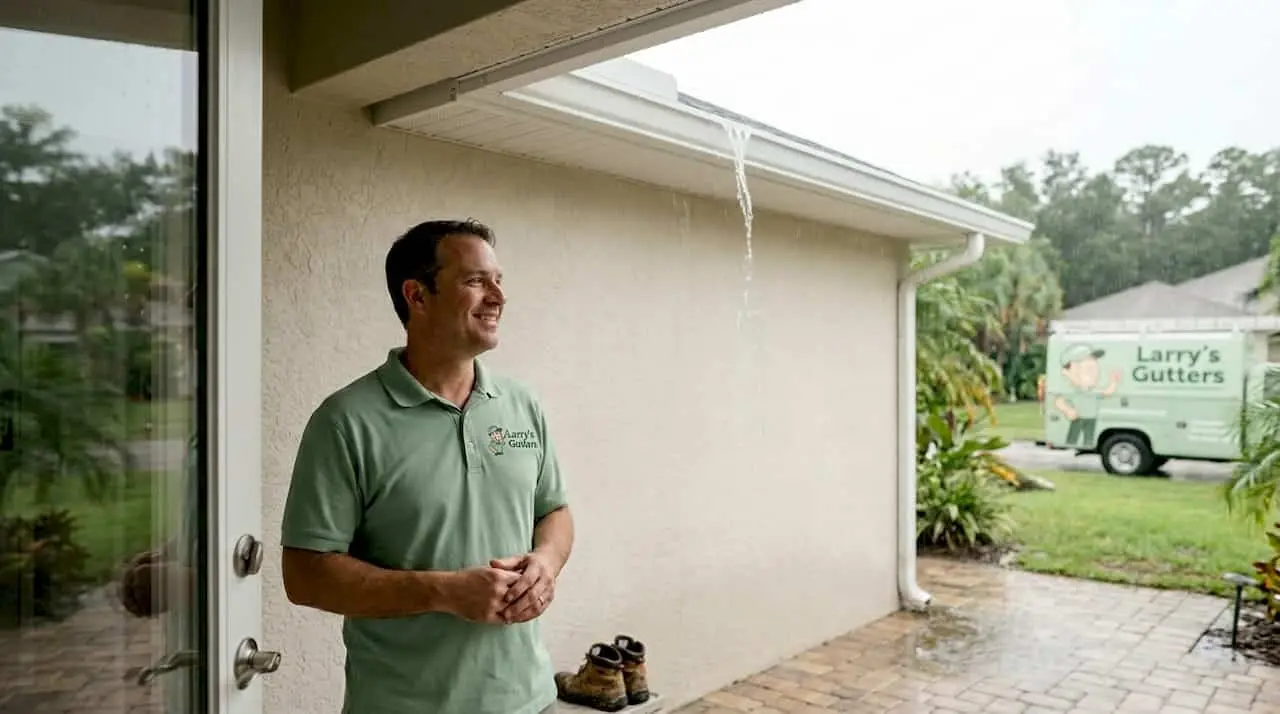
Most homeowners assume that one gutter is as good as another. Put something on the edge of the roof, attach some downspouts, and call it done. That assumption works fine in some parts of the country, but in Central Florida, it can cost you thousands of dollars in water damage. Box gutters are a fundamentally different solution, built into the roofline itself, designed to move massive amounts of water fast, and specifically suited to the flat and low-slope roof designs that are common across Florida neighborhoods. This article walks you through what box gutters are, why they matter here, which materials hold up in our climate, how to keep them performing, and what most homeowners get dangerously wrong about them.
Table of Contents
- What are box gutters and how do they work?
- Why box gutters matter for Central Florida homes
- Materials: Choosing the best box gutter for Florida’s environment
- Maintenance and common mistakes to avoid
- What most Florida homeowners get wrong about box gutters
- Protect your Florida home with expert box gutter solutions
- Frequently asked questions
Key Takeaways
| Point | Details |
|---|---|
| Box gutter basics | Box gutters are integrated systems best for handling heavy rain on flat or low-slope Florida roofs. |
| Material matters | Seamless aluminum or copper gutters resist Florida’s UV and salt better than other materials. |
| Maintenance prevents damage | Quarterly cleaning and after-storm checks significantly reduce water damage risks. |
| Expert installation | Proper slope and sizing by a pro are crucial—DIY isn’t recommended for box gutters. |
What are box gutters and how do they work?
To understand their usefulness for Florida homes, start with what makes box gutters unique compared to standard options.
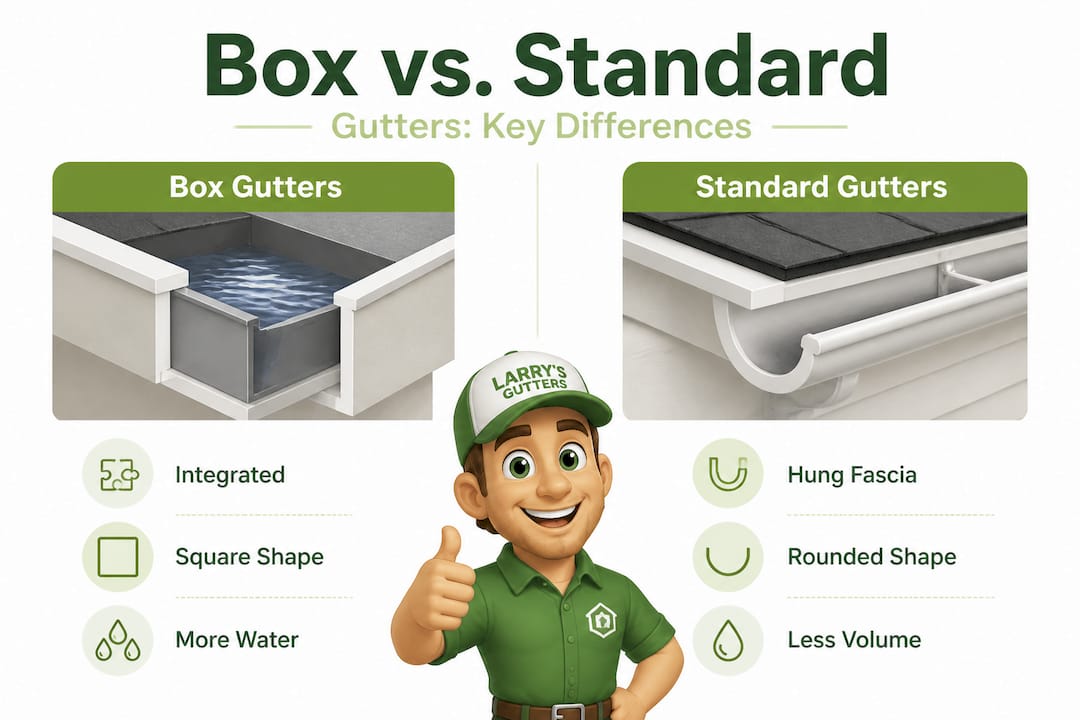
Box gutters are not the kind of gutters you hang on the side of your fascia board over a weekend. They are rectangular, trough-style channels that are built directly into the edge of the roof structure, typically flush with or recessed into the roofline. That integration is what makes them different. Standard K-style or half-round gutters are external accessories attached after the roof is finished. Box gutters are part of the roof itself.
Because they sit inside the roof edge rather than hanging below it, they can handle a much larger volume of water at once. Water flows off the roof surface into the channel, then travels to downspouts that carry it safely away from the foundation. The width and depth of the trough give it considerably more capacity than most residential gutter profiles.
This design makes them especially effective on flat or low-slope roofs, where water drains more slowly and pools more easily. There are rain gutter types that suit steep traditional roofs beautifully, but those same profiles struggle when the pitch is minimal. Box gutters excel precisely in those conditions.
Here is a quick comparison to help you see the differences clearly:
| Feature | Box gutters | K-style gutters | Half-round gutters |
|---|---|---|---|
| Water flow capacity | Very high | Moderate | Moderate |
| Best roof slope | Flat or low-slope | Medium to steep | Medium to steep |
| Appearance | Integrated, subtle | Applied, decorative | Applied, traditional |
| Maintenance complexity | High (professional) | Moderate | Moderate |
| Typical cost | Higher upfront | Lower | Moderate |
| DIY-friendly | No | Somewhat | Somewhat |
Key features that set box gutters apart include:
- Built into the roofline, not attached to the fascia
- Rectangular cross-section that holds more water volume
- Seamless or lined interiors that reduce leak points
- Concealed appearance that suits modern and flat-roofed architecture
- Require custom fabrication and professional installation
“Box gutters are superior for low-slope roofs and demand professional installation and regular maintenance to function correctly.” National Roof Authority
That last point is critical. The sophistication that makes box gutters effective also makes them unforgiving when something goes wrong.
Why box gutters matter for Central Florida homes
Knowing what box gutters are, let’s connect their features to the challenges faced by Central Florida homeowners.
Florida receives some of the heaviest rainfall in the continental United States. Many parts of Central Florida average over 50 inches of rain per year, and individual storms can dump inches of rain in under an hour. Standard gutters, sized for typical residential use, were not engineered with that kind of intensity in mind.
Quarterly gutter cleaning prevents up to 25% of building damage caused by poor drainage maintenance. That statistic alone should make every Florida homeowner stop and think about whether their current system is actually doing its job.
Here are four specific reasons box gutters are a strong fit for Central Florida homes:
- High water volume handling. Florida storms are not gentle. A box gutter’s wide, deep trough drains water faster and with less risk of overflow, which protects your walls, windows, and foundation during heavy downpours.
- Compatibility with flat and modern rooflines. Many Central Florida homes, especially those built in the last 30 years, feature low-slope or flat roof sections. Box gutters integrate cleanly into these designs without looking awkward or creating drainage dead zones.
- Reduced overflow risk during hurricanes. During peak storm season, gutters that overflow push water directly against your home’s exterior and foundation. The advantages of gutters in Central Florida become most obvious during these high-intensity events, and box gutters carry more water before they reach overflow capacity.
- Home value protection. Water damage is one of the leading causes of home value loss in Florida. Proper drainage systems, including well-maintained box gutters, contribute meaningfully to gutter value for homeowners by preventing the kind of slow, hidden moisture damage that kills resale prices.
The biggest pitfalls in Florida are clogs from organic debris, leaks caused by aging liner materials, and homeowners who forget that tropical storms deposit enormous amounts of leaf litter and debris in gutters overnight. A clogged box gutter during a storm is worse than no gutter at all, because water backs up against the roof structure instead of escaping.
Pro Tip: Always prioritize seamless metal box gutters over sectional ones in Florida. Each seam is a potential leak point, and with our rainfall levels, even small leaks compound quickly into serious structural damage.
Materials: Choosing the best box gutter for Florida’s environment
Once you know why box gutters matter, the next key is choosing materials that actually deliver long-term value in Florida’s climate.
Florida is hard on building materials. You are dealing with intense UV exposure, high humidity, salt air in many areas, and temperature swings that cause materials to expand and contract repeatedly. Not every gutter material handles this well.
Here is a breakdown of the most common box gutter materials and how they perform in Florida conditions:
| Material | Durability | Salt/corrosion resistance | Maintenance needs | Relative cost |
|---|---|---|---|---|
| Seamless aluminum | High (20-30 years) | Good | Low to moderate | Moderate |
| Copper | Very high (50+ years) | Excellent | Low | High |
| Galvanized steel | Moderate (10-15 years) | Poor without coating | High | Low to moderate |
| Wood | Low (variable) | Poor | Very high | Variable |
Seamless aluminum and copper are the expert-recommended choices for UV-heavy and salt-exposed environments like Central Florida. Aluminum resists corrosion naturally, is lightweight, and can be custom-fabricated on-site to fit your exact roofline without seams. Copper is a premium choice that actually improves with age, developing a protective patina that strengthens its resistance to corrosion over decades.
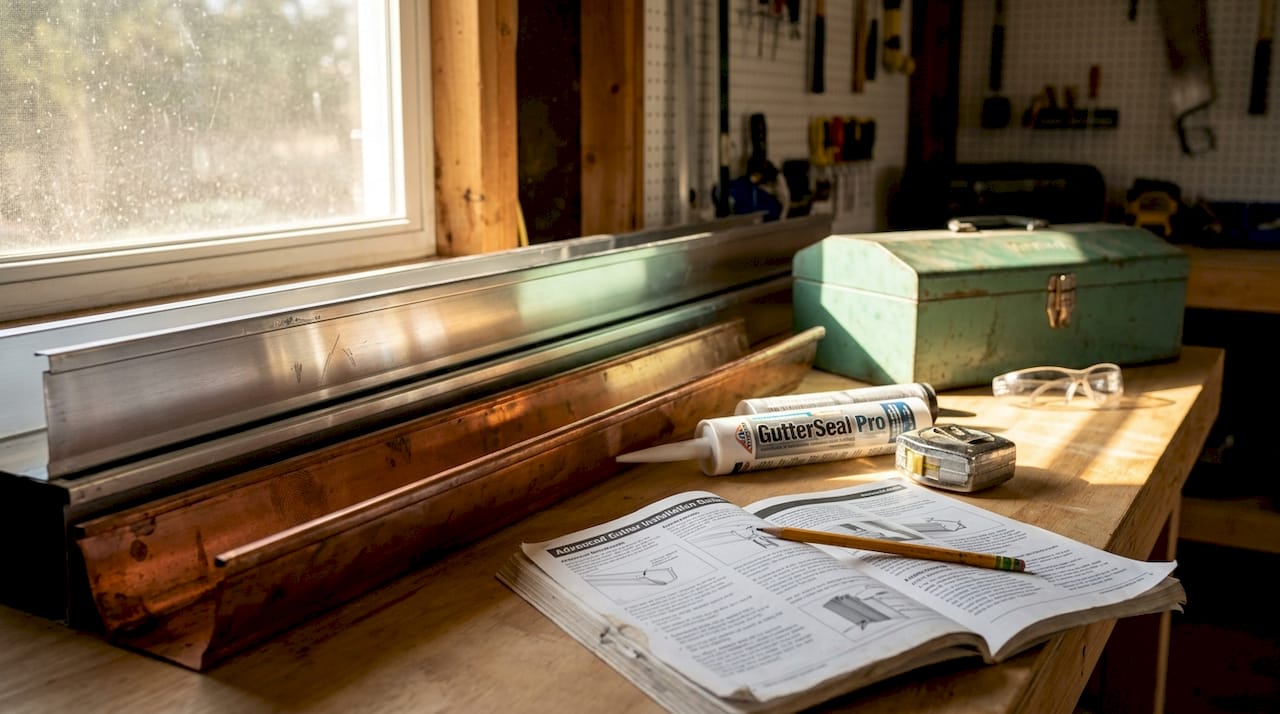
The benefits of aluminum gutters in Florida go beyond just cost. Aluminum does not rust, it holds paint well, and it is light enough to avoid placing excessive stress on the roof structure. For box gutters specifically, where the material is built into the roofline, weight and corrosion resistance are critical factors.
If you want to understand how material choice directly affects leak frequency, the connection between seamless gutters and fewer leaks is well established and worth reading before you make a final decision. And if you are still weighing your options, why seamless gutters matter for Florida homeowners is a straightforward explanation of the long-term financial logic.
The three biggest material mistakes Central Florida homeowners make with box gutters:
- Choosing untreated galvanized steel without understanding how quickly salt air and humidity corrode it, leading to expensive replacement within a decade
- Opting for wood-lined box gutters on historic or older homes without committing to the intensive repainting and sealing schedule they require every two to three years
- Ignoring UV degradation on painted aluminum or steel, which accelerates dramatically in Florida’s intense sun and leads to cracking, fading, and premature failure
Pro Tip: Over a 20-year period, a seamless aluminum or copper box gutter system typically costs far less than a sectional or steel system when you factor in repairs, resealing, and early replacement. The lower upfront cost of cheaper materials almost always becomes the more expensive option in Florida’s climate.
Maintenance and common mistakes to avoid
Having chosen the right box gutters, keeping them effective means understanding maintenance routines and risks.
Box gutters are not install-and-forget systems. Because they are integrated into the roof structure, any failure, whether a clog, a crack, or a liner failure, creates problems that are more serious and more expensive than a leak in an external gutter system. Water that cannot escape through a box gutter has nowhere to go except into the roof deck, the fascia, and eventually your interior walls.
Here is the recommended maintenance schedule for Central Florida box gutters:
- After every significant storm: Check for debris accumulation. Florida storms drop palm fronds, pine needles, and seed pods directly into gutters. Do not wait until your quarterly cleaning if you know a storm just passed through.
- Quarterly cleaning: Remove all debris, flush the trough with water to confirm flow, and check that downspouts are clear and draining away from the foundation.
- Annual professional inspection: A licensed contractor should examine the liner integrity, slope accuracy, seam conditions (on sectional systems), and downspout connections every year. Small problems caught early cost a fraction of what delayed repairs do.
The most common mistakes that lead to expensive damage include:
- Incorrect slope installation. Box gutters require a precise slope toward the downspout. Even a fraction of an inch off per linear foot causes water to pool and sit stagnant, which accelerates liner failure and creates ideal conditions for mold.
- Oversizing the trough. Wider is not always better. An oversized box gutter that does not have sufficient water flow to keep debris moving becomes a collection basin for organic material and standing water.
- Skipping post-storm cleaning. This is the most common and most damaging mistake in Florida. Homeowners assume one storm is not enough to cause a problem. In reality, a single storm can deposit enough material to block a downspout completely.
- Attempting DIY repairs on liner or slope issues. These are not minor fixes. Adjusting slope requires modifying the roof structure itself in many cases.
“Box gutters are not DIY-friendly; poor slope or oversizing causes water pooling that can erode foundations and compromise the structural integrity of the roof edge.” National Roof Authority
If you are considering gutter upgrades for your Florida home, it pays to consult a professional who understands not just gutters but Florida-specific roofing conditions. The overlap between roofing and drainage is where most box gutter problems originate.
What most Florida homeowners get wrong about box gutters
Here is the uncomfortable truth that we see play out repeatedly across Central Florida neighborhoods: homeowners treat box gutters like a bigger version of standard gutters. They think the only real difference is that they hold more water. That misunderstanding leads to decisions that are expensive, sometimes catastrophic, and entirely preventable.
The first mistake is believing that DIY installation or repair is a reasonable option. We understand the appeal. Florida homeowners are generally handy, practical people who know how to manage their properties. But box gutter work is not like patching a section of K-style gutter with sealant. You are working with a system embedded in the roof structure. Getting the slope wrong by even a small margin means standing water. Standing water in a box gutter means liner deterioration, wood rot behind the trough, and eventually, mold inside the wall cavity. By the time you see the damage, the repair bill is often in the thousands.
The second mistake is undervaluing long-term material cost. Homeowners frequently choose lower-cost materials upfront without calculating what Florida’s climate will do to them over ten years. We have seen galvanized steel box gutters that looked fine on paper become rust-pitted and leaking within eight years because nobody accounted for salt air exposure or inadequate coating.
The third and most frustrating mistake is inconsistent maintenance. Central Florida homeowners know storm season is real. They prepare in many ways, but gutters fall off the list until something goes wrong. A single neglected storm season can turn a functioning box gutter into a water damage pathway.
Seamless versus sectional gutters is a real comparison worth making before any installation decision. Seamless systems eliminate the joint failures that cause most of the leaks we see in older box gutter installations. The upfront cost difference is real, but so is the long-term peace of mind.
“Poor installation leads to water damage that is always more expensive to repair than the cost of getting it right the first time.” National Roof Authority
The homeowners who get the best results from box gutters are the ones who invest in proper materials, professional installation, and a consistent maintenance schedule. That combination is what actually protects a Florida home over the long run.
Protect your Florida home with expert box gutter solutions
If reading this has made you realize your current gutter system may not be up to the job, you are in the right place. At Larry’s Gutters, we specialize in residential gutter solutions built specifically for Central Florida’s climate. Whether you need a full box gutter replacement or are starting fresh with a seamless system, our team brings the expertise to get it right the first time.

We work with homeowners across multiple Central Florida counties to assess, design, and install gutter systems that handle Florida’s storms without flinching. If you are ready to stop worrying every time a thunderstorm rolls in, explore your options for box gutter replacement or learn more about our seamless gutter installation process. Reach out for a free quote and let us protect what matters most.
Frequently asked questions
Are box gutters suitable for homes with steep roofs?
Box gutters work best on flat or low-slope roofs; for homes with steep pitches, K-style or half-round gutters are typically the better and more cost-effective choice.
How often do box gutters need to be cleaned in Central Florida?
Clean box gutters at least once per quarter and always after major storms; quarterly cleaning prevents up to 25% of building damage caused by drainage failure.
Can box gutters handle heavy downpours from Florida storms?
Yes, box gutters are specifically engineered for high water volume situations, making them well-suited for Florida storms as long as they are correctly sized and regularly maintained.
Is installing box gutters a DIY project?
Box gutter installation is not DIY-friendly; even small mistakes in slope or liner installation can lead to leaks, structural rot, and foundation damage that far exceed the cost of professional installation.
Recommended
- Why gutter guards are essential for Central Florida homes
- Why clean gutters prevent water damage in Central Florida
- How Gutters Prevent Water Damage: Florida Homeowner Guide
- Role of Gutters in Home Protection—Florida Needs
- Protecting water sources from invasive weeds: A homeowner’s guide
- Seamless Gutter Installation in Leesburg FL
