
Afternoon thunderstorms in Central Florida leave homeowners in Lake, Marion, and Sumter counties searching for ways to keep their foundations dry and their homes safe from water damage. The right gutter system is crucial when sudden downpours threaten to overwhelm traditional options. With seamless gutters, you get a continuous channel custom-fitted to your home, drastically reducing leaks compared to gutters with multiple joints. Discover how upgrading your gutter system can help defend your property against our region’s unpredictable weather.
Table of Contents
- Seamless Gutters Defined and Common Myths
- Types of Gutters and Material Differences
- How Seamless Gutters Prevent Water Damage
- Comparing Seamless Gutters to Sectional Systems
- Long-Term Value and Maintenance Insights
Key Takeaways
| Point | Details |
|---|---|
| Seamless Gutters Offer Superior Protection | Seamless gutters eliminate internal seams, reducing leak points and providing more reliable water management compared to sectional gutters. |
| Material Selection Matters | Choosing the right gutter material, such as aluminum or copper, influences durability and maintenance needs, particularly in Florida’s harsh climate. |
| Long-Term Cost Benefits | Although seamless gutters have a higher upfront cost, they generally result in lower long-term maintenance expenses and fewer repairs over time. |
| Professional Installation is Key | Proper installation that accounts for slope and fit is crucial for maximizing the lifespan and effectiveness of seamless gutter systems. |
Seamless Gutters Defined and Common Myths
When most homeowners in Lake, Marion, and Sumter counties think about gutters, they picture the sectional gutters their parents had installed decades ago. But gutters have evolved significantly since then. A seamless gutter is a single, continuous channel that runs along your roof edge without internal joints or seams. Instead of being assembled from multiple pieces, seamless gutters are formed on-site using specialized roll forming machines that shape aluminum or copper into a perfectly fitted system that matches your home’s exact dimensions. This approach transforms gutter installation from a fragmented assembly job into a precision operation that accounts for every corner, angle, and length of your roofline.
The invention of seamless gutter technology in the 1960s fundamentally changed how homeowners protect their properties. Before roll forming machines existed, gutters came in standardized 10 or 20-foot sections that had to be joined together, creating dozens of potential leak points. These seams became the weak link in any gutter system, constantly vulnerable to separation, corrosion, and water infiltration. The shift toward seamless systems in the 1980s marked a turning point in residential gutter standards, making them the go-to choice for homeowners who wanted reliability without constant maintenance headaches. For Florida homes specifically, this innovation proved invaluable given our intense summer thunderstorms and tropical downpours that can dump multiple inches of rain in a single afternoon.
But seamless gutters come surrounded by myths that prevent many homeowners from understanding their true value. The most persistent misconception is that “all gutters are basically the same” and that investing in seamless gutters is unnecessary. This simply isn’t accurate. The difference between sectional gutters and seamless systems lies in leak prevention. A typical sectional gutter installed with standard fasteners develops failures at the seams within 2-5 years as the joints separate slightly from expansion and contraction. Your Florida heat cycles these connections thousands of times annually. By contrast, a seamless gutter has zero internal seams, eliminating the most common failure point entirely. Another myth suggests that gutters are optional if your home has good roof overhangs. This overlooks the reality that even generous overhangs direct water down your walls and foundation, where it can cause settling, cracks, and expensive structural repairs. Rain gutters function as a critical protective barrier by capturing water at the source and channeling it safely away from your home’s foundation through downspouts.
A third common myth claims that seamless gutters require excessive maintenance because they have no seams to “clean out.” In reality, seamless gutters are cleaner to maintain because there are no clogged seams accumulating debris and trapping moisture. The single smooth surface collects leaves and pine needles just like any gutter, but without the hidden pockets where organic matter decomposes and causes blockages. When you add gutter guards to your seamless system, maintenance becomes almost entirely preventative rather than reactive.
Pro tip: When comparing gutter quotes, ask specifically whether the system being proposed is truly seamless with zero internal joints, and request documentation of the on-site measurement and fabrication process to confirm proper fit for your home.
Types of Gutters and Material Differences
Not all gutters are created equal, and the material you choose shapes how well your home weathers Florida’s intense storms and salt air. When you start researching gutter options, you’ll encounter several materials, each with its own strengths and weaknesses for our specific climate. The most common choice in Central Florida is aluminum, prized for being lightweight, affordable, and resistant to rust in most conditions. However, homeowners in coastal areas or those seeking maximum longevity often consider copper, which offers exceptional corrosion resistance and develops a beautiful patina over decades. Galvanized steel provides a middle ground with solid durability but requires more maintenance. Stainless steel and zinc gutters exist at the premium end, offering superior lifespan but at significantly higher costs. Understanding material differences and their impact on durability helps you make a choice aligned with your home’s needs and your budget.
Beyond material selection, gutter style matters equally for both function and appearance. K-style gutters are the most popular choice in residential construction because they have a decorative front edge that resembles crown molding, making them blend seamlessly with most home designs. The interior profile efficiently handles high water volumes, which proves critical during Florida’s afternoon thunderstorms. Half-round gutters offer a classic, curved aesthetic that works beautifully on older homes and cottages, though they require more frequent cleaning due to their shallow profile and tend to shed debris more easily. The choice between these styles affects not just curb appeal but also how effectively your gutters manage water flow during heavy rainfall. When gutters fail to properly channel water away during intense storms, that water pools against your foundation or seeps into wall cavities where it causes rot, mold, and structural damage that costs thousands to repair.
Aluminum stands out as the practical choice for most Central Florida homeowners because it balances cost, performance, and maintainability. A quality aluminum seamless gutter system costs roughly 30 to 50 percent less than copper but can last 20 to 30 years with basic maintenance. Aluminum resists corrosion naturally, though the acidic rainfall common in Florida can eventually cause pitting if the gutter isn’t properly sealed or coated. When selecting an aluminum system, specify one with a quality finish or powder coat to extend lifespan in our humid, salt-laden environment. Copper gutters excel in severe climates and near coastal properties where salt spray accelerates corrosion in other metals. The tradeoff is cost, as copper systems typically run 3 to 5 times more than aluminum. Copper also requires skilled installation because it demands soldered seams rather than mechanical fasteners, though this actually makes well installed copper seamless gutters less prone to leaks than sectional systems.
The shape and profile of your gutters interact with material choice to determine overall performance. K-style gutters, regardless of material, provide superior water capacity compared to half-round alternatives, making them essential if your roof area is large or your property slopes toward the foundation. Half-round gutters work well on smaller homes or secondary structures where aesthetic appeal matters more than maximum water flow. In areas with significant tree cover, half-round gutters can be disadvantageous because leaves tend to accumulate more visibly in the curved profile. When you pair your choice of material with your choice of profile, then add gutter guards to your system, you create a comprehensive rain management solution that protects your foundation, landscaping, and home structure from the damaging effects of improper water drainage.
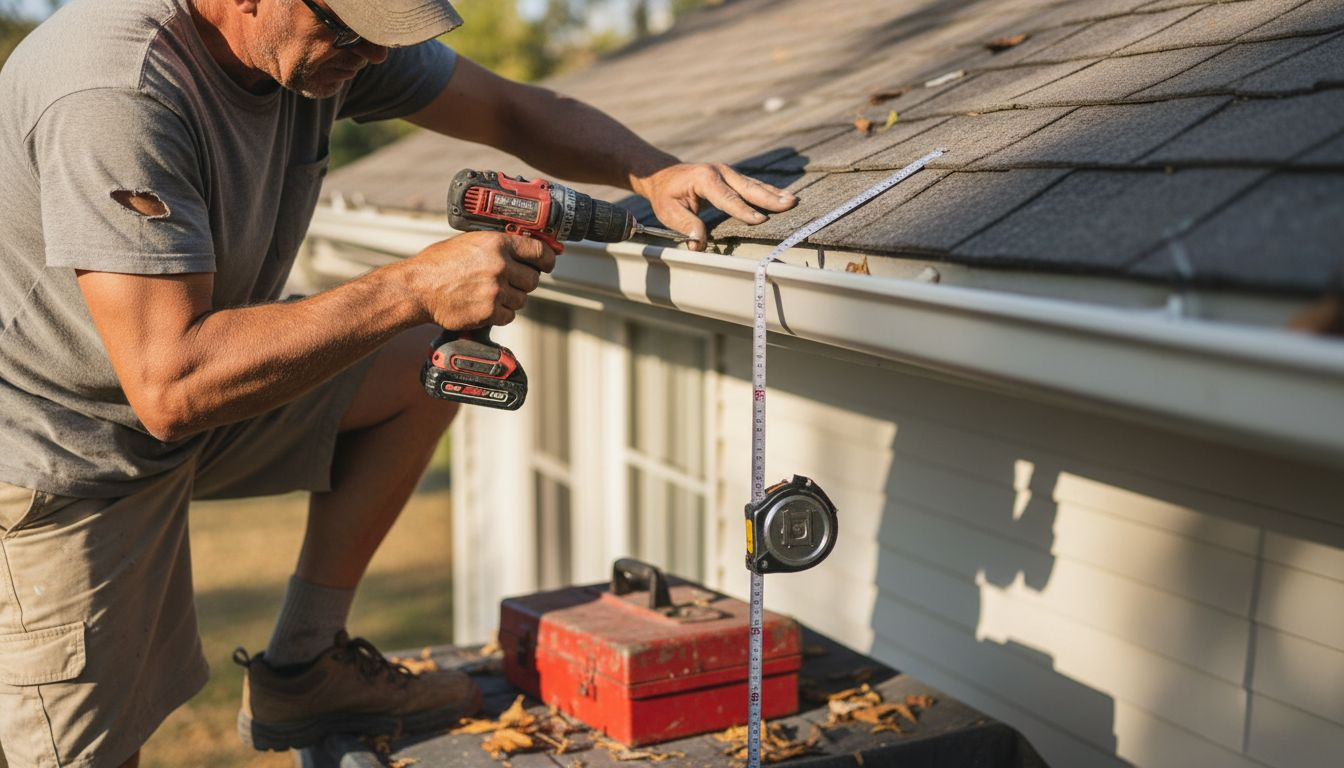
Here’s a quick comparison of common gutter materials and their suitability for Central Florida homes:
| Material | Durability | Corrosion Resistance | Cost Level |
|---|---|---|---|
| Aluminum | 20–30 years | Good, needs coating | Affordable |
| Copper | 40–50+ years | Excellent, patinas well | High |
| Galvanized Steel | 15–20 years | Moderate, needs upkeep | Moderate |
| Stainless Steel | 50+ years | Outstanding | Very High |
| Vinyl/Plastic | 10–15 years | Poor under UV exposure | Lowest |
Pro tip: For Central Florida properties, choose seamless aluminum gutters with a high-quality powder coat finish as your baseline, then upgrade to copper only if you’re in a coastal zone or planning to live in the home for 30+ years.
How Seamless Gutters Prevent Water Damage
Water damage represents one of the costliest threats to Florida homes, and most of it starts at the roofline. When rain falls on your roof, it has to go somewhere, and a functioning gutter system is what stands between your home and expensive structural damage. Seamless gutters work by creating a continuous channel that captures rainwater and directs it safely away from your home’s foundation, walls, and basement. Unlike sectional gutters that leak at seams, seamless gutters have no internal joints where water can escape and saturate the soil around your foundation. Proper gutter systems channel large rainfall volumes away from vulnerable areas, preventing the soil saturation that leads to foundation settling, basement flooding, and the expensive mold remediation that follows water intrusion. In Central Florida, where summer thunderstorms regularly dump 2 to 3 inches of rain in 30 minutes, this continuous protection becomes critical. Without it, water pools against your foundation, seeps into crawlspaces, and creates the damp conditions where mold colonies thrive.
The mechanics of water damage prevention hinge on two key factors: proper gutter slope and downspout placement. Your seamless gutters must slope slightly toward downspouts so water flows consistently rather than pooling in low spots. Even a pooled gutter might seem harmless, but standing water becomes a breeding ground for mosquitoes and algae, and over time it causes the gutter material itself to corrode and fail. The downspouts then direct water several feet away from your foundation, typically 4 to 6 feet minimum, so the soil around your home’s perimeter stays relatively dry. Gutters must slope properly toward downspouts to prevent water pooling that damages walls and foundations. When water instead pools against the foundation, hydrostatic pressure builds as soil becomes saturated, eventually forcing water through basement walls and creating interior dampness. This is why proper installation matters as much as material quality. A seamless gutter fabricated on site and installed by experienced professionals accounts for your roof’s specific angles and slopes, ensuring water always flows toward the downspout rather than settling in problem areas.
The damage progression from improper water drainage happens faster than most homeowners realize. Saturation around your foundation causes soil to expand and contract with moisture cycles, applying uneven pressure that leads to foundation cracks, settling, and structural failure. Basement and crawlspace moisture supports mold growth within weeks, contaminating indoor air quality and creating health hazards for your family. Water seeping into wall cavities causes wood rot in framing members, requiring expensive structural repairs. Foundation repairs in Florida average 5,000 to 15,000 dollars depending on damage severity, while mold remediation can easily exceed 10,000 dollars. The cost of a quality seamless gutter system, typically 1,500 to 3,000 dollars for an average home, represents a fraction of what you’ll pay to fix water damage later. Beyond the financial argument, water damage creates ongoing problems that diminish your home’s resale value and create liability if moisture and mold issues aren’t disclosed to future buyers.
Seamless gutters prevent water damage most effectively when paired with complementary components. Gutter flashing integrates seamlessly where gutters meet your roof, sealing the gap that would otherwise allow water to slip behind the gutter and run down the exterior wall. Proper downspout extensions or splash blocks direct water away from the foundation rather than dumping it immediately next to the house. Gutter guards prevent debris accumulation that clogs the system and forces water to overflow during heavy rain. When all these elements work together, your home stays protected from the worst outcomes that water damage creates. Regular cleaning and maintenance of your seamless gutter system ensures it continues functioning properly year after year. For Florida homeowners, investing in a complete, well maintained gutter system isn’t optional if you want to protect your foundation, preserve indoor air quality, and avoid the cascading expenses that water damage creates.
Pro tip: After heavy Florida rainstorms, walk your property’s perimeter and check for water pooling near the foundation or erosion patterns that indicate downspouts are dumping too close to the house; if you notice problems, contact a gutter professional to adjust downspout extensions before water damage occurs.
Comparing Seamless Gutters to Sectional Systems
Choosing between seamless and sectional gutters comes down to understanding where each system fails and how that failure impacts your home. Sectional gutters consist of pre-manufactured pieces, typically 10 or 20 feet long, that are joined together using slip connectors, fasteners, and sealant. This modular approach makes sectional gutters easier and cheaper to install initially, which explains why many builders use them on new construction and why they remain common in older homes. However, those joints where sections connect represent the Achilles heel of any sectional system. Water doesn’t respect seams. It finds them, exploits them, and eventually breaches them. Seamless gutters eliminate joints that are common leak points in sectional systems, providing superior water tightness and durability. A typical sectional gutter begins developing problems within 2 to 5 years as joints separate from temperature fluctuations, the sealant dries and cracks, and fasteners loosen or corrode. In Florida’s intense heat and humidity, this timeline accelerates significantly.
Seamless gutters, by contrast, are fabricated on site using roll forming machines that create a single continuous channel custom fitted to your home’s exact dimensions. This means your gutters match every angle, corner, and measurement of your roofline with no internal seams or joints to fail. The installation process takes longer and requires specialized equipment and trained technicians, but the payoff is a system with dramatically fewer failure points. When a seamless gutter does eventually develop a problem, it’s typically at the downspout connection or where the gutter meets flashing, not at a hundred different seam locations. The continuous design also means debris flows more smoothly toward downspouts rather than getting trapped in the recesses where sectional joints create collection points. This reduces the frequency and severity of blockages, lowering maintenance demands over the system’s lifespan. For Florida homeowners facing multiple thunderstorms annually, this difference translates to fewer emergency calls to fix overflowing gutters during heavy rain.
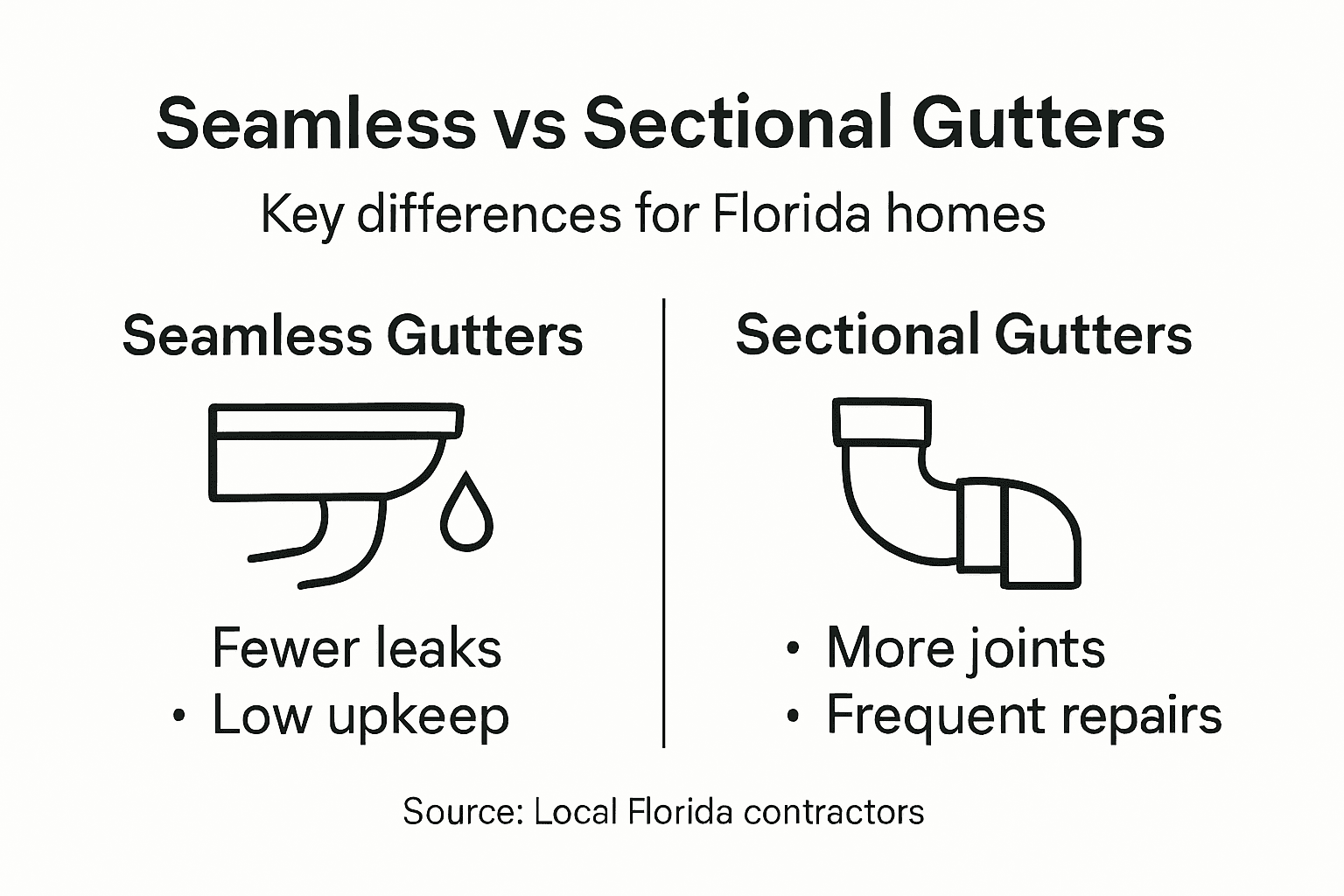
The maintenance burden differs significantly between the two systems. Sectional gutters require regular inspections of every seam, joint, and fastener to catch problems before they cause water damage. You’re essentially maintaining 15 to 20 separate connection points on an average home. Sealant must be reapplied every 3 to 5 years as it hardens and cracks in Florida’s sun. Loose fasteners need tightening, and failed sections may need replacement. A seamless gutter system simplifies maintenance because the continuous design reduces blockages and leak risks compared to sectional alternatives. Your maintenance routine focuses on cleaning debris and ensuring downspouts drain properly, not on inspecting and resealing a dozen problem areas. Over a 20 to 30 year period, the cumulative cost of maintaining sectional gutters often equals or exceeds the higher upfront cost of seamless installation.
Cost comparison requires looking beyond the initial price tag. A sectional gutter system installed on an average Central Florida home costs 800 to 1,500 dollars, while seamless gutters typically run 1,500 to 3,000 dollars depending on material and home complexity. That difference seems substantial until you factor in that sectional gutters fail faster and require more frequent repairs. A single emergency gutter repair during a storm can cost 300 to 800 dollars, and if you need repairs every few years, you quickly recover that initial cost difference. The real advantage of seamless gutters emerges over time. A seamless system installed properly can function reliably for 20 to 30 years with minimal maintenance, while sectional systems often require replacement or major rehabilitation within 10 to 15 years. For homeowners planning to stay in their Central Florida home long term, seamless gutters represent better value. If you’re selling within 5 years, sectional gutters might seem adequate, but most homebuyers increasingly recognize that seamless gutters are worth paying for because they know what sectional systems cost to maintain and repair.
This table highlights the main differences in maintenance and lifespan between seamless and sectional gutter systems:
| Feature | Seamless Gutters | Sectional Gutters |
|---|---|---|
| Leak Risk | Very low, no seams | High, multiple joints |
| Maintenance Frequency | Once or twice per year | Several times per year |
| Typical Lifespan | 20–30 years | 10–15 years |
| Upfront Cost | Higher than sectional | Lower, but adds up |
Pro tip: When comparing gutter quotes, ask contractors specifically how many seams the system will have and what warranty covers seam failures; if a sectional system quote doesn’t address seam durability explicitly, that’s a red flag that maintenance costs aren’t being considered.
Long-Term Value and Maintenance Insights
A gutter system is one of those home investments where the cheapest option upfront often costs you the most over time. When you calculate the true cost of ownership for seamless gutters versus alternatives, you need to think beyond the installation bill and consider what happens during the next two or three decades. Seamless gutters offer better long-term value due to fewer leaks and reduced maintenance compared to sectional systems that require constant attention. This difference compounds year after year. A homeowner with sectional gutters might spend 200 to 400 dollars annually on repairs, sealant reapplication, and professional cleaning to address specific problem areas. Over 20 years, that totals 4,000 to 8,000 dollars in maintenance costs alone, not counting emergency repairs during storms when gutter failures allow water to damage your home. A seamless system requires the same debris cleaning but eliminates the targeted repairs at seams and joints. Most seamless gutter owners find their annual maintenance costs drop to 100 to 150 dollars, primarily for professional cleaning to prevent clogs. That 50 to 250 dollar annual difference grows into thousands in savings by the time you reach year 10 or 15.
Maintenance frequency and complexity differ dramatically between systems, and this affects your quality of life as a homeowner. Sectional gutters demand regular inspection to catch developing problems before they become water damage events. You should visually check seams and joints after heavy storms, looking for signs of separation, corrosion, or water staining on fascia boards below connections. Loose fasteners need tightening, and sealant needs reapplication when you notice cracks or gaps. This reactive maintenance approach means you’re constantly looking for the next problem rather than simply maintaining a functioning system. Seamless gutters flip the maintenance equation. Your primary task is keeping debris out so water flows freely toward downspouts. Professional cleaning once or twice yearly, combined with basic seasonal gutter guard maintenance, handles most of what you need. The difference in effort and cost becomes obvious when you’re not climbing a ladder to inspect seams in month six and again in month twelve, or scheduling emergency repairs when a joint fails during a thunderstorm.
Material choice profoundly influences how much long-term maintenance your system requires. Aluminum gutters, the most popular choice in Central Florida, resist corrosion naturally in most conditions but can develop pitting if exposed to acidic rainfall without proper protective coating. A quality powder coat finish extends aluminum lifespan significantly, pushing durability toward 25 to 30 years. Copper gutters represent the ultimate long-term investment, often lasting 40 to 50 years or more with virtually no maintenance beyond cleaning. Copper naturally resists corrosion, develops a protective patina over time, and improves aesthetically as it ages. The higher upfront cost of copper is offset by the fact that you likely install it once during your home ownership and never think about replacement. Plastic or vinyl gutters cost less initially but degrade faster under Florida’s intense ultraviolet exposure. UV rays cause plastic to become brittle, leading to cracks and failures within 10 to 15 years. High-quality materials like copper provide long service life with minimal maintenance and deliver superior long-term value despite higher initial costs.
Proper installation determines whether your gutter system achieves its potential lifespan or fails prematurely. Correct slope toward downspouts prevents water pooling that accelerates corrosion and material degradation. Secure fastening with appropriate spacing prevents sagging and separation that creates leak points. For seamless systems, on-site fabrication to match your exact roof dimensions eliminates the gaps and mismatches that cause sealing problems. Professional installation by experienced technicians costs more than DIY or contractor-grade work, but it’s where you capture the real value of seamless gutters. A poorly installed seamless system that sags or has incorrect slope performs little better than sectional alternatives. Conversely, properly installed seamless gutters perform exactly as designed, requiring minimal intervention for years. When comparing quotes, ask specifically about installation methodology, fastening patterns, and warranty coverage for workmanship. The contractor who takes time to measure carefully, discusses slope optimization, and explains their fastening approach typically delivers better long-term results than one focused solely on speed and cost.
The financial picture also includes what happens if you need to sell your home. Prospective buyers increasingly recognize that seamless gutters indicate a home owner who invested in quality and long-term protection. Water damage from failed gutters is a deal-killer for most buyers, and they scrutinize gutter systems during inspections. Homes with seamless gutters command confidence that the foundation, walls, and basement won’t have hidden moisture problems. This perception often translates to higher offers or smoother sales compared to homes with aging sectional systems that buyers know will require replacement soon. Your seamless gutter investment becomes a selling point rather than a liability on inspection reports.
Pro tip: Schedule a professional gutter inspection every two years to catch minor issues before they become expensive problems; many gutter companies offer free inspections, and spending 30 minutes to assess your system’s condition can save thousands in future water damage costs.
Protect Your Florida Home with Expert Seamless Gutter Solutions
Florida homeowners understand all too well the risks of water damage caused by heavy rain and poor gutter systems. The article highlights how seamless gutters are essential for preventing leaks, reducing maintenance, and safeguarding your foundation from costly repairs. If you are tired of fighting clogged sectional gutters, leaks at joints, or worry about foundation damage from improper drainage, seamless gutters are the smart and lasting solution you need. The precision fit and continuous design eliminate weak points and channel water safely away even during intense storms.
Larry’s Gutters specializes in custom seamless gutter installation, gutter guard systems, and comprehensive maintenance services tailored for Central Florida’s unique weather. Our team ensures your gutters are perfectly sloped and securely fastened to optimize water flow and protect your home year-round. See how our expertise can help shield your property from water damage and give you peace of mind.
Explore how our high-quality seamless gutters and professional services deliver outstanding long-term value and durability. Don’t wait until leaks or water damage compromise your investment. Visit Larry’s Gutters today for a free quote and expert guidance on the best gutter solution for your home.

Take the first step to defend your home’s foundation and increase its value by choosing seamless gutters designed specifically for Florida’s climate. Contact us now to schedule your seamless gutter installation or maintenance with trustworthy professionals who care about your home’s protection. Learn more about Seamless Gutter Installation and the benefits of Gutter Guard Installation to make an informed decision today.
Frequently Asked Questions
What are seamless gutters and how do they differ from sectional gutters?
Seamless gutters are a continuous channel that runs along your roof edge without internal joints or seams, providing better leak prevention compared to sectional gutters, which consist of multiple pieces connected together.
Why are seamless gutters considered a better investment for homeowners?
Seamless gutters are designed to last longer and require less maintenance than sectional systems, reducing the risk of leaks and water damage. While they may have a higher upfront cost, the long-term savings on repairs and maintenance make them a smarter choice.
How do seamless gutters help prevent water damage?
Seamless gutters channel rainwater away from your home’s foundation without leaks, which helps to prevent soil saturation, foundation settling, and mold growth, ultimately protecting your home’s structural integrity.
What maintenance do seamless gutters require compared to sectional gutters?
Seamless gutters typically require less frequent maintenance; they mainly need debris cleaning and check-ups for proper drainage. Sectional gutters, on the other hand, need regular inspection at seams and joints, along with re-sealing and repairs, making them more labor-intensive.
