
Central Florida homeowners know the frustration of clogged gutters after every storm. Pine needles pile up, water overflows, and you’re left wondering if there’s a better solution than climbing ladders every few months. LeafGuard promises to end this cycle with its patented no-clog design, but does it really work for Florida’s unique challenges? This guide explains what LeafGuard is, how it compares to other gutter protection systems, and whether it’s the right choice for your home’s needs.
Table of Contents
- Key takeaways
- What is LeafGuard and how does it work?
- Comparing LeafGuard with other gutter protection options
- Is LeafGuard the right choice for your Central Florida home?
- How to install and maintain LeafGuard gutter systems in Florida
- Protect your Central Florida home with expert gutter solutions
- Frequently asked questions
Key Takeaways
| Point | Details |
|---|---|
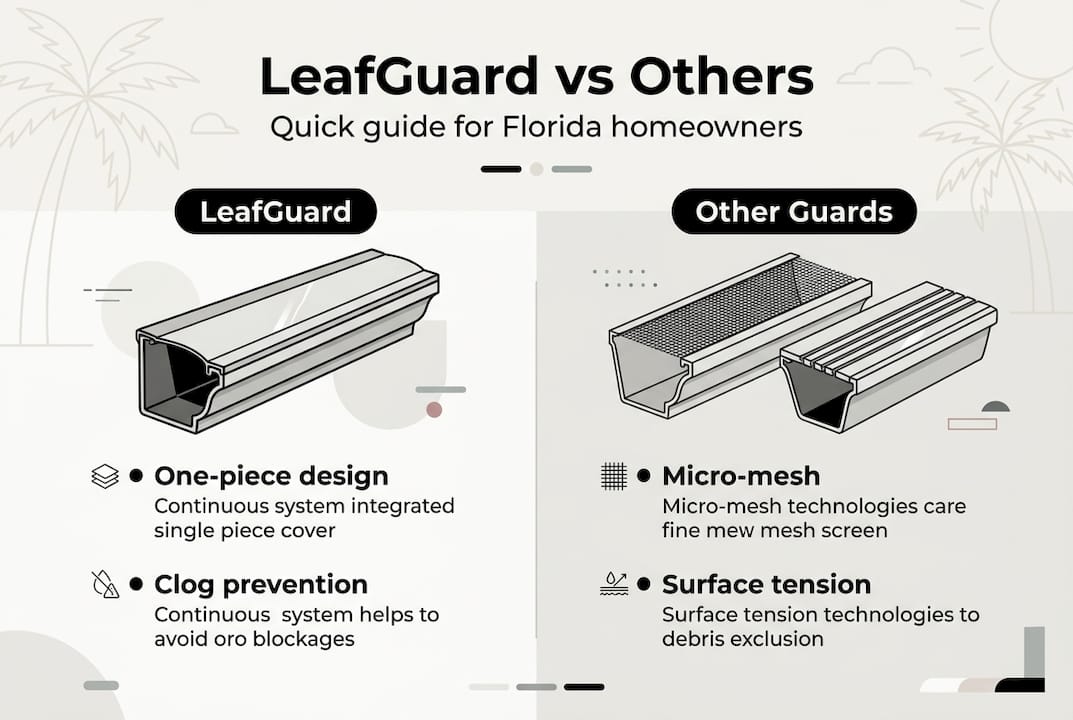
| One-piece design | LeafGuard forms the gutter and guard into a single piece, reducing seams and leak points. |
| Precise installation | Proper pitch is essential in Central Florida to prevent water overshoot and standing water. |
| Micro-mesh advantage | Micro-mesh guards block pine needles effectively, though small debris can still enter if installation differs. |
| Durability warranty | Heavy-gauge aluminum with a protective coating lasts 20 to 30 years and carries a lifetime transferable warranty. |
| Maintenance still matters | Regular maintenance remains important even with gutter guards installed. |
What is LeafGuard and how does it work?
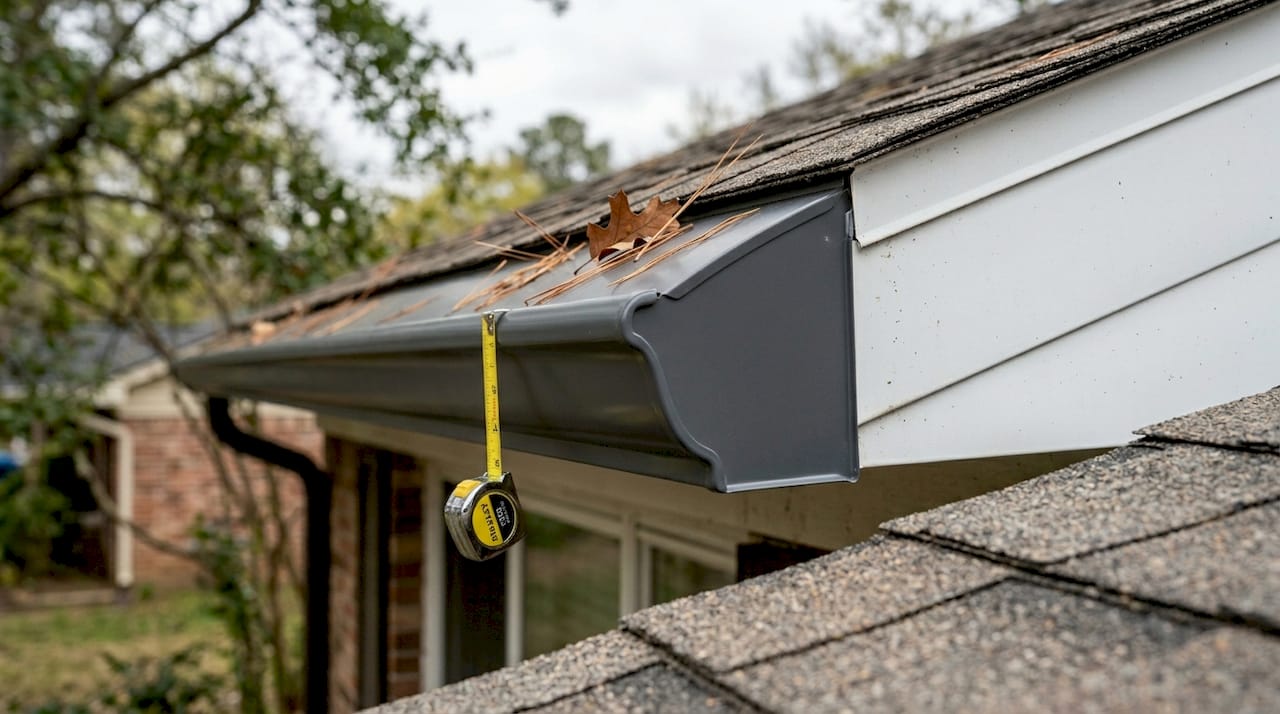
LeafGuard is a patented seamless gutter guard system that integrates the gutter and protective cover into a single aluminum piece. Unlike bolt-on guards that attach to existing gutters, LeafGuard replaces your entire gutter system with a design engineered to prevent clogs from the start. The system uses heavy-gauge aluminum coated with a protective finish that resists rust, corrosion, and fading under Florida’s intense sun and humidity.
The reverse-curve design works through simple physics. Rainwater follows the curved hood and flows into a narrow opening at the gutter’s edge, while leaves, twigs, and other debris slide off the front and fall to the ground. Surface tension pulls water around the curve and into the channel, even during moderate to heavy rainfall. This mechanism eliminates the mesh screens or perforated covers that often trap debris and require periodic cleaning.
LeafGuard’s uniqueness lies in its one-piece construction. Traditional gutters have seams every 10 feet where sections connect, creating weak points prone to leaks. LeafGuard eliminates these vulnerabilities by custom-forming each section to your roofline’s exact measurements. The result is a stronger system with fewer potential failure points. Understanding how gutter guards work helps you appreciate why this seamless approach matters for long-term performance.
The system offers several advantages beyond clog prevention. You’ll spend less time on ladders cleaning gutters, reducing injury risk. The durable aluminum construction typically lasts 20 to 30 years with minimal maintenance. The protective coating comes in multiple colors to match your home’s exterior, maintaining curb appeal while providing functional benefits.
Pro Tip: LeafGuard’s performance depends heavily on proper installation angle. In heavy rain areas like Central Florida, installers must set the pitch precisely to prevent water overshoot during intense downpours. A slope that’s too steep causes water to miss the opening, while insufficient pitch leads to standing water and potential mosquito breeding.
Key features that distinguish LeafGuard include:
- One-piece seamless construction eliminates leak-prone seams
- Heavy-gauge aluminum withstands Florida’s harsh weather conditions
- Reverse-curve design uses surface tension to channel water effectively
- Protective coating resists sun damage and maintains appearance
- Lifetime transferable warranty covers materials and performance
Comparing LeafGuard with other gutter protection options
Central Florida homeowners face a crowded market of gutter guard options, each claiming superior performance. Understanding the differences helps you make an informed choice based on your property’s specific needs. The five main types of gutter guards are reverse-curve systems like LeafGuard, micro-mesh screens, surface tension hoods, brush inserts, and foam filters.
| Guard Type | Best For | Pros | Cons | Florida Suitability |
|---|---|---|---|---|
| Reverse-Curve (LeafGuard) | Heavy rainfall, large debris | Durable, seamless, handles volume | May allow pine needles through | Good for rain, moderate for needles |
| Micro-Mesh | Pine needles, small debris | Blocks finest particles, excellent filtration | Can trap debris on top, needs cleaning | Excellent for Florida flora |
| Surface Tension | Moderate rain, leaves | Simple design, affordable | Less effective than LeafGuard | Fair performance |
| Brush Inserts | Budget-conscious, DIY | Easy installation, low cost | Traps debris inside, frequent cleaning | Poor for Florida conditions |
| Foam Filters | Temporary solution | Cheapest option, simple install | Degrades quickly, holds moisture | Not recommended |
Micro-mesh guards feature a stainless steel screen with openings smaller than a grain of sand, making them highly effective against pine needles that plague Florida properties. While LeafGuard earns praise for durability, some experts note that its reverse-curve design can allow small debris like pine needles to enter the gutter channel. This matters significantly in Central Florida, where pine, oak, and palm trees drop constant fine debris.
Surface tension systems similar to LeafGuard use the same water-adhesion principle but typically attach to existing gutters rather than replacing them entirely. This makes them more affordable but introduces seam vulnerabilities. Brush and foam options rank lowest for Florida homes because they trap debris inside the gutter, creating maintenance headaches and potential water damage during storms.
Central Florida’s unique conditions influence which system performs best. The region averages 54 inches of annual rainfall, with intense afternoon thunderstorms dropping 2 to 3 inches in an hour. Your gutter protection must handle this volume without overshooting. Additionally, the mix of pine needles, oak leaves, and palm fronds requires fine filtration that reverse-curve designs sometimes struggle to provide.
Pro Tip: Match your gutter guard choice to the trees surrounding your home. Properties with heavy pine coverage benefit most from micro-mesh systems, while homes with primarily large-leaf trees can use reverse-curve guards like LeafGuard effectively. Walk your property and identify the debris types before investing in protection.
Exploring different gutter protection systems and understanding the seven types of gutter guards available to Florida homeowners provides the foundation for a smart decision. Consider your budget, maintenance willingness, and local vegetation when comparing options.
Is LeafGuard the right choice for your Central Florida home?
Determining whether LeafGuard fits your property requires evaluating several factors specific to your situation. Not every home benefits equally from this system, and understanding the variables helps you avoid costly mistakes. Start by assessing these key criteria before committing to any gutter guard investment.
Local rainfall volume tops the list of considerations. Central Florida’s 54+ inches of annual rain and intense summer storms demand gutters that channel water quickly without overflow. LeafGuard handles typical heavy rainfall well, but extreme downpours can cause water to overshoot the narrow opening if installation angle isn’t perfect. Properties in low-lying areas or those experiencing frequent flooding need extra attention to pitch and capacity.
Debris type matters enormously for performance. If your property has predominantly pine trees, LeafGuard’s reverse-curve design may disappoint because pine needles can slip through the opening and accumulate inside. Homes surrounded by oak, maple, or other large-leaf trees see better results since these materials slide off the hood effectively. Palm fronds typically don’t cause problems for any guard type due to their size and weight.
Your existing gutter system affects installation feasibility and cost. LeafGuard requires complete gutter replacement, not attachment to current gutters. If your gutters are relatively new and functional, this represents a significant additional expense. However, if you’re already planning gutter replacement due to age or damage, LeafGuard becomes more cost-effective since you’re addressing both needs simultaneously.
Budget constraints influence the decision significantly. LeafGuard costs more upfront than micro-mesh screens or other attachment systems. The lifetime warranty and reduced maintenance may justify the premium over decades, but you must have the capital available initially. Some homeowners prefer spending less on micro-mesh guards and accepting slightly more maintenance.
Maintenance willingness plays a subtle but important role. While LeafGuard dramatically reduces gutter cleaning frequency, it doesn’t eliminate maintenance entirely. You’ll still need to inspect the system after major storms, clear debris from the ground around downspouts, and ensure seals remain intact. Homeowners expecting zero maintenance from any gutter guard will face disappointment.
For Florida’s heavy rainfall and pine needle debris, properly installed surface tension systems including LeafGuard perform well in rain though with caveats about small debris penetration.
Follow this decision guide to evaluate LeafGuard for your home:
- Inventory trees within 30 feet of your roofline and identify debris types they produce
- Review your property’s drainage patterns and note any areas where water pools during storms
- Inspect current gutters for age, condition, and whether replacement is already needed
- Calculate your total gutter footage and request quotes from multiple installers
- Compare LeafGuard costs against micro-mesh alternatives plus installation fees
- Assess your comfort level with ongoing maintenance tasks and inspection schedules
- Verify installer credentials, warranty terms, and local references before committing
Understanding the gutter guard installation process, maintaining your rain gutter system properly, and recognizing how gutters protect Florida homes from water damage provides context for your investment decision. The right choice depends on your unique property characteristics and priorities.
How to install and maintain LeafGuard gutter systems in Florida
Proper installation determines whether LeafGuard delivers on its no-clog promise or becomes an expensive disappointment. Florida’s climate adds complexity that requires attention to detail during every installation phase. While LeafGuard typically requires professional installation to maintain warranty coverage, understanding the process helps you supervise the work and ensure quality results.
The installation process follows these critical steps:
- Remove existing gutters completely, including all hangers, spikes, and ferrules from the fascia board
- Inspect and repair fascia boards for rot, damage, or weakness that could compromise new gutter support
- Measure roofline precisely and calculate the slope needed for proper drainage toward downspouts
- Custom-form LeafGuard sections to exact measurements, ensuring seamless runs without joints
- Mount the system with heavy-duty hidden hangers spaced 24 inches apart for Florida wind resistance
- Set the pitch at 1/4 inch per 10 feet minimum, adjusting for rainfall intensity in your area
- Seal all end caps, corners, and downspout connections with commercial-grade sealant
- Test water flow with a hose at multiple points, checking for proper drainage and no overshoot
- Install downspout extensions to direct water at least 6 feet from the foundation
Proper installation angle and sealing prove essential for LeafGuard’s performance in Florida’s heavy rainfall. Installers must account for roof pitch, fascia height, and expected water volume when positioning the system. Even small errors in slope can cause water to miss the opening during intense storms, defeating the system’s purpose.
Maintenance requirements remain minimal but shouldn’t be ignored. Schedule these tasks to maximize LeafGuard’s lifespan:
- Inspect the system twice yearly before and after hurricane season for damage or debris buildup
- Clear any debris accumulation at ground level around downspouts and drainage areas
- Check all seals and connections for gaps, cracks, or separation that could cause leaks
- Flush the system with a garden hose annually to verify proper flow and identify blockages
- Examine fascia boards for water stains indicating potential overflow or seal failure
- Trim overhanging branches that could drop heavy debris directly onto the gutter hood
Common installation mistakes that Florida homeowners should watch for include:
- Insufficient pitch causing standing water and mosquito breeding in humid conditions
- Inadequate hanger spacing that allows sagging under the weight of tropical storm rainfall
- Poor seal quality at corners and end caps leading to leaks during heavy rain
- Incorrect hood positioning that causes water overshoot during intense downpours
- Failure to extend downspouts far enough from the foundation in sandy soil conditions
- Ignoring roof overhang and drip edge alignment that affects water entry angle
Pro Tip: Schedule professional inspections every rainy season to catch small issues before they become expensive problems. Florida’s intense weather accelerates wear on all exterior home components, and early detection of seal degradation or hanger loosening prevents water damage to fascia boards and siding.
Familiarizing yourself with the gutter guard installation workflow and following proven rain gutter maintenance steps ensures your investment protects your home effectively for decades. Quality installation and consistent maintenance make the difference between a system that performs flawlessly and one that disappoints.
Protect your Central Florida home with expert gutter solutions
Your home deserves protection from Florida’s unpredictable weather patterns and heavy seasonal rainfall. Larry’s Gutters brings decades of experience installing and maintaining gutter systems specifically designed for Central Florida’s unique challenges. Whether you choose LeafGuard, micro-mesh guards, or traditional seamless gutters, professional installation ensures optimal performance when storms arrive.

Our team understands the nuances of proper gutter guard installation in Florida’s climate, from setting the correct pitch for intense rainfall to selecting materials that withstand humidity and sun exposure. We follow proven installation procedures that prevent common problems like water overshoot and premature system failure. Beyond installation, our comprehensive maintenance services keep your gutters functioning flawlessly year after year, protecting your foundation, landscaping, and siding from water damage. Trust local expertise that knows Central Florida homes inside and out.
Frequently asked questions
What makes LeafGuard different from other gutter guards?
LeafGuard combines the gutter and guard into one seamless aluminum piece, eliminating the seams and attachment points where traditional guards fail. This integrated design provides superior durability and reduces leak potential compared to screens or hoods that bolt onto existing gutters. The reverse-curve system uses surface tension to pull water into a narrow opening while debris slides off, requiring less maintenance than mesh guards that trap debris on top.
Is LeafGuard effective against Florida pine needles?
LeafGuard handles large debris effectively but may allow pine needles through its opening due to their small size and shape. Micro-mesh guards outperform reverse-curve designs for pine needle protection because their fine screen blocks even tiny debris. Properties with heavy pine coverage should consider this limitation when evaluating LeafGuard against alternatives.
Can I install LeafGuard myself or do I need a professional?
LeafGuard requires professional installation to ensure proper pitch, sealing, and warranty coverage. The system demands precise measurements, custom forming, and expert knowledge of drainage requirements that most DIY homeowners lack. Improper installation leads to water overshoot, leaks, and voided warranties. Understanding the installation workflow helps you appreciate why professional expertise matters for this investment.
How much maintenance does LeafGuard require?
LeafGuard significantly reduces but doesn’t eliminate maintenance needs. You should inspect the system twice yearly, clear ground-level debris around downspouts, and check seals after major storms. Occasional cleaning may be necessary if pine needles accumulate or extreme weather deposits debris. Professional inspections before and after storm season help catch small issues early and extend system lifespan.
Will LeafGuard withstand Central Florida storms and heavy rain?
LeafGuard performs well during typical Central Florida rainfall when installed correctly. However, extreme downpours may cause overshoot if the pitch isn’t set properly for your roof’s characteristics. Professional installers account for local rainfall intensity and roof pitch to optimize performance. The durable aluminum construction withstands high winds and flying debris better than lightweight plastic or foam alternatives, making it suitable for hurricane-prone areas with proper installation.