When heavy Florida rainstorms hit neighborhoods in Lake, Marion, or Sumter Counties, overloaded or worn gutters can put your home at risk. For homeowners concerned about water pooling near the foundation, spotting visible gutter damage and wear should not be overlooked. A careful inspection for issues like cracks, rust, and sagging can protect your investment and guide you toward the right replacement options before repairs grow expensive.
Table of Contents
- Step 1: Inspect Visible Gutter Damage And Wear
- Step 2: Check For Leaks And Water Pooling Around Home
- Step 3: Evaluate Gutter Alignment And Secure Attachment
- Step 4: Assess Gutter Effectiveness During Rain
- Step 5: Confirm Need For Professional Replacement Or Repair
Quick Summary
| Key Point | Explanation |
|---|---|
| 1. Inspect for gutter damage | Look for rust, cracks, or sagging in gutters to identify potential issues before repairs escalate. |
| 2. Check for water pooling | Observe standing water around your home’s foundation, which may indicate improper drainage. |
| 3. Ensure proper alignment | Verify gutters slope correctly toward downspouts to prevent overflow and water damage. |
| 4. Test during rainfall | Assess gutter performance during rain to identify issues with water flow and drainage effectiveness. |
| 5. Evaluate repair vs replacement | Determine whether gutters need repairs or complete replacement based on their condition and age. |
Step 1: Inspect visible gutter damage and wear
To protect your home from potential water damage, you need to carefully examine your gutters for signs of deterioration. A thorough visual inspection can reveal critical issues before they become expensive repairs.
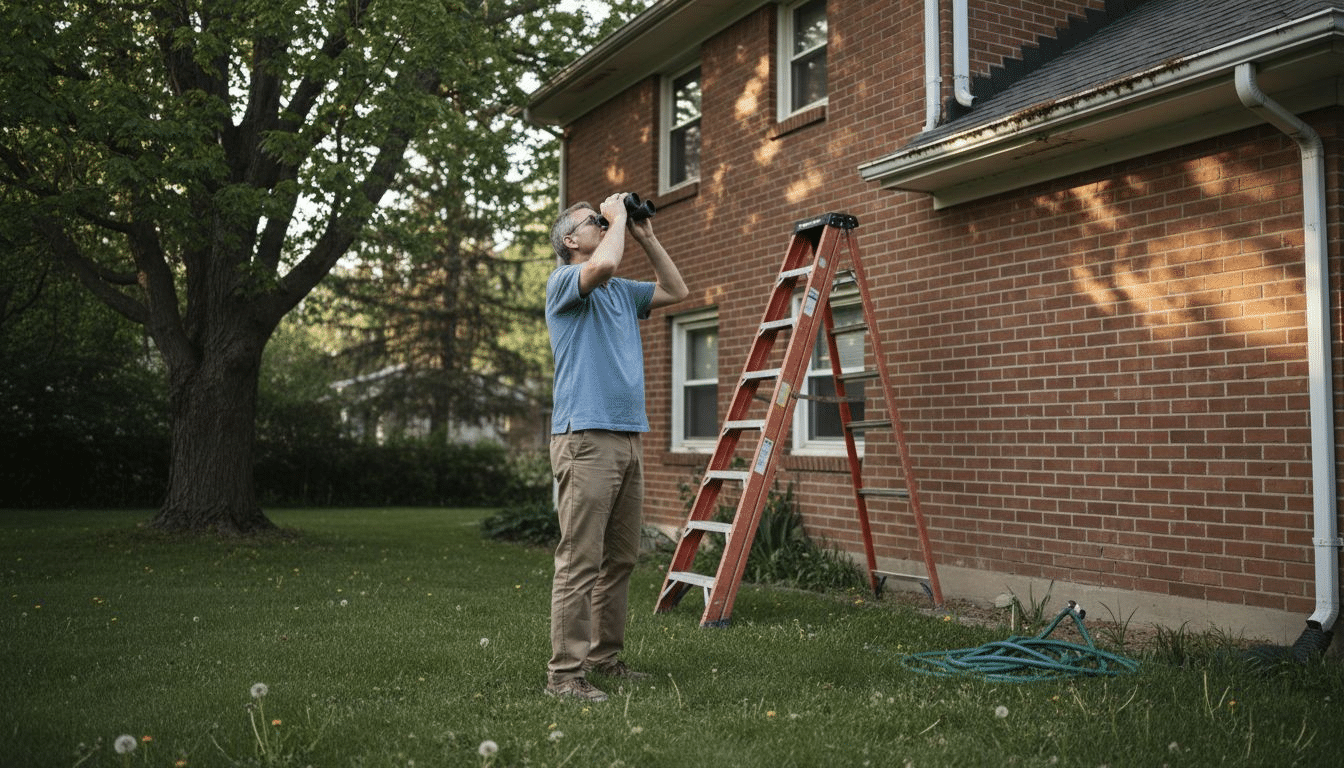
Start by walking around your home’s perimeter, looking closely at the entire gutter system. Use a ladder to get a closer view, checking for these key indicators of wear:
- Rust or corrosion patches along gutter surfaces
- Cracks or holes that could compromise water flow
- Sagging sections indicating structural weakness
- Paint peeling near gutter attachments
Pay special attention to gutter system performance standards that specify how gutters should resist environmental stress. Look for signs of deformation, particularly at connection points and corners.
A small crack today could become a major water infiltration problem tomorrow.
Document any damage by taking clear photographs. Note the location and extent of wear, which will help you decide whether repair or full replacement is necessary.
Pro tip: Use binoculars for an initial ground-level assessment to safely identify potential gutter issues before climbing a ladder.
Step 2: Check for leaks and water pooling around home
Locating potential water damage around your home requires a systematic approach to identifying moisture-related issues that could compromise your property’s structural integrity. Understanding where and how water accumulates is critical for preventing long-term damage.
Conduct a comprehensive exterior inspection after rainfall or during wet conditions. Look for these telltale signs of potential gutter and drainage problems:
- Standing water near your home’s foundation
- Wet soil or muddy patches in consistent locations
- Water stains on exterior walls
- Erosion patterns around your home’s perimeter
Pay close attention to mold and moisture risks that can develop from prolonged water exposure. Check basement walls and crawl spaces for dampness or discoloration that might indicate underlying drainage issues.
Water pooling near your foundation can lead to serious structural damage if left unchecked.
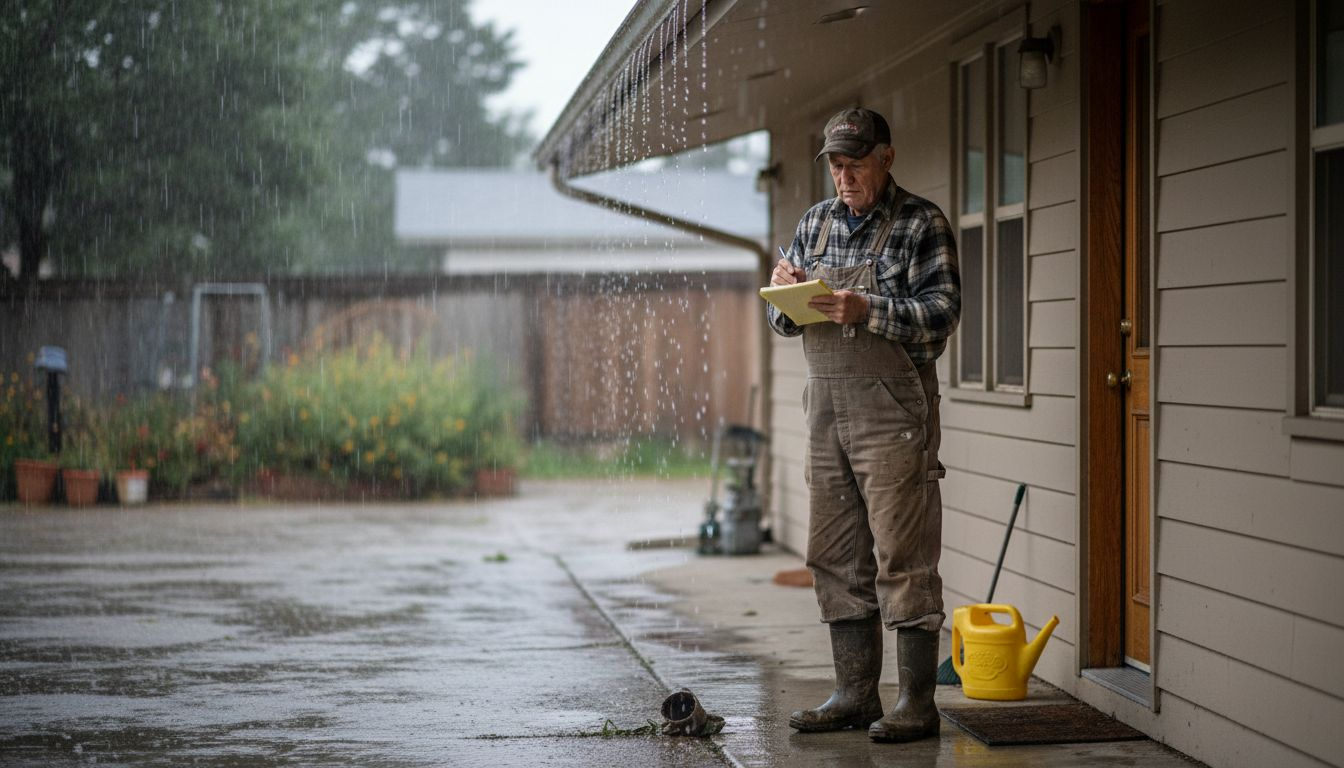
Use strategic methods to trace potential leak sources. Walk around your property during or immediately after rain to observe water flow patterns. Watch for areas where water appears to collect or flow incorrectly, which might signal gutter system failures or improper grading.
Pro tip: Consider using a moisture meter to detect hidden water accumulation in walls and around your home’s foundation before visible damage occurs.
Step 3: Evaluate gutter alignment and secure attachment
Ensuring your gutters are properly aligned and securely fastened is crucial for protecting your home from water damage. A misaligned or loosely attached gutter system can compromise your entire drainage strategy and lead to costly repairs.
Check your gutter alignment using these key indicators:
- Visible slope toward downspouts
- Consistent attachment points along the roofline
- Minimal gaps between gutter sections
- No sagging or bending in the gutter channels
Reference the gutter installation performance standards to understand precise alignment requirements. Most gutters should slope between 1/16 inch to 1/4 inch per foot to ensure proper water drainage.
Proper gutter alignment is your first line of defense against water damage.
Inspect mounting brackets and fasteners carefully. Look for signs of rust, loosening, or separation from the fascia board. Tighten or replace hardware that appears worn or damaged to maintain a secure connection.
Pro tip: Use a carpenter’s level to verify your gutter’s precise angle and alignment during your inspection to catch subtle misalignments.
Step 4: Assess gutter effectiveness during rain
Evaluating your gutters during actual rainfall provides the most accurate insight into their performance and potential replacement needs. Understanding how water moves through your gutter system can reveal critical weaknesses that might not be apparent during dry conditions.
Observe these key performance indicators during rainfall:
- Water overflow at any point along the gutter run
- Uncontrolled water streaming down exterior walls
- Rapid pooling near the foundation
- Inconsistent water flow through downspouts
Utilize gutter sizing and performance calculations/Book%3A_To_Catch_the_Rain_(Grafman)/04%3A_Calculations/4.03%3A_Gutter_and_Downspout_Sizing) to understand your system’s capacity relative to your roof area and local rainfall intensity.
A well-functioning gutter system is your home’s first defense against water damage.
Pay close attention to water behavior during medium to heavy rainfall. Watch how water enters, moves through, and exits your gutter system. Note any points where water appears to stall, overflow, or deviate from its intended path.
Pro tip: Mark problem areas with waterproof chalk during rainfall to create a precise map of your gutter system’s performance challenges.
Step 5: Confirm need for professional replacement or repair
Deciding whether to repair or completely replace your gutters requires a careful assessment of their overall condition and potential long-term performance. Understanding the difference between manageable repairs and necessary full replacement can save you significant time and money.
Evaluate these critical factors to determine professional intervention:
- Extensive rust covering large gutter sections
- Significant structural damage including multiple holes or cracks
- Persistent water damage near foundation or walls
- Repeated failed repair attempts
- Gutter system older than 20 years
Reference the professional inspection standards to understand when gutters require expert assessment. Professional intervention becomes crucial when your system shows signs of systemic failure that basic maintenance cannot resolve.
Not every gutter issue requires complete replacement – but some definitely do.
Consider the cost-effectiveness of repair versus replacement. While minor issues can often be fixed economically, extensive damage might make full replacement more sensible in the long run. Multiple small repairs can quickly become more expensive than a single comprehensive gutter system replacement.
Here’s how repair and replacement options for gutters compare:
| Consideration | Repair | Full Replacement |
|---|---|---|
| Cost | Lower initial expense | Higher upfront investment |
| Longevity | Extends gutter life briefly | New system lasts decades |
| Disruption | Minimal home impact | May require more labor |
| When Preferred | Minor, localized issues | Extensive or systemic damage |
Pro tip: Request written estimates from at least three professional gutter services to compare repair versus replacement recommendations and ensure you receive a fair and accurate assessment.
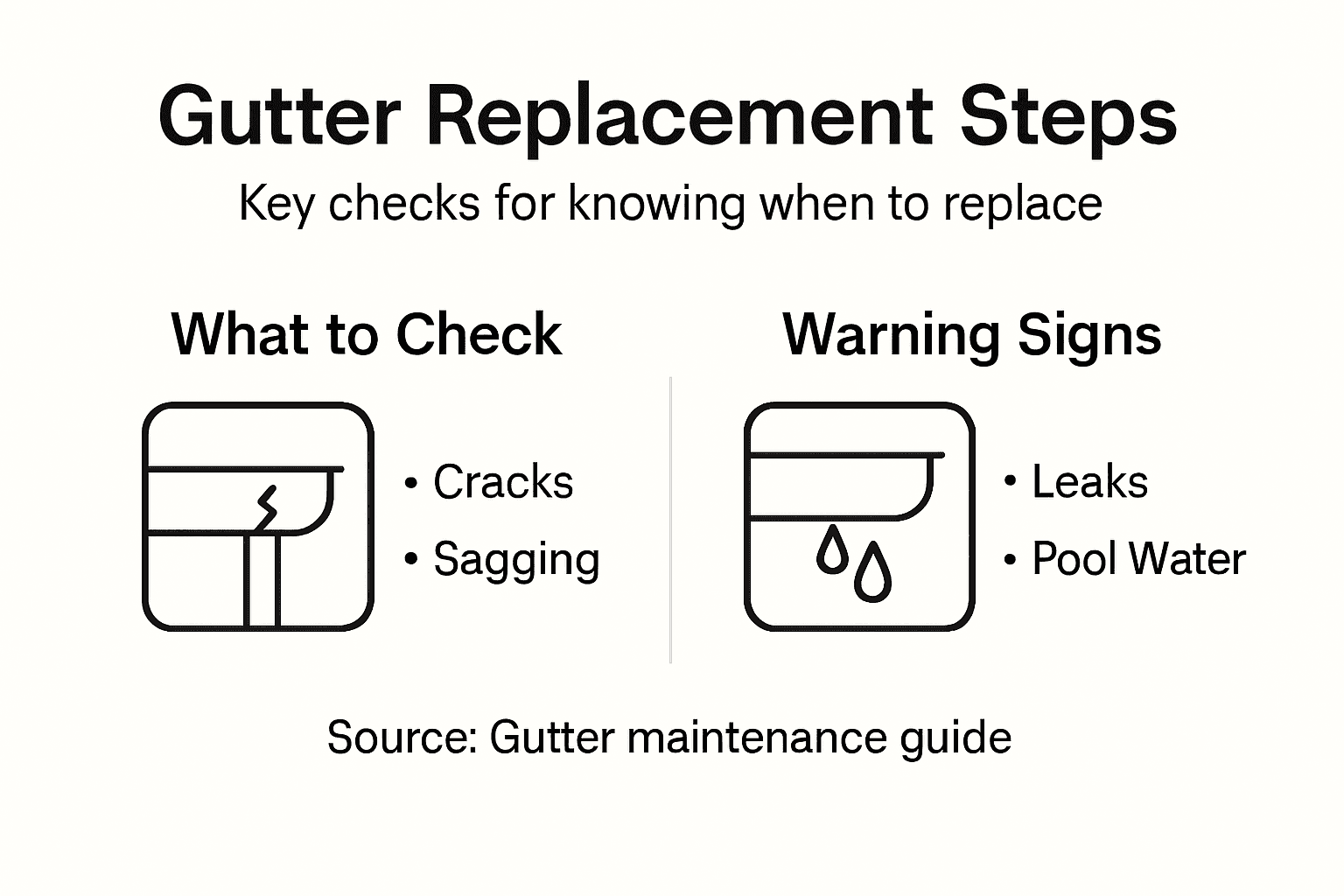
This table summarizes typical gutter issues and signs to watch for:
| Problem Type | What to Look For | Potential Risk |
|---|---|---|
| Wear & Deterioration | Cracks, rust, sagging | Leaks, water infiltration |
| Poor Alignment | Uneven slope, loose brackets | Overflow, structural stress |
| Drainage Failure | Pooling, slow downspouts | Foundation damage |
| Aging Systems | Over 20 years old, repeated repairs | Systemic failures |
Protect Your Home with Expert Gutter Solutions from Larry’s Gutters
Identifying when your gutters need replacing is the first step to preventing costly water damage to your home. If you notice signs like sagging sections, rust, leaks, or poor alignment as described in the guide, then it is time to take action. Do not let minor cracks or persistent water pooling put your foundation and walls at risk. At Larry’s Gutters, we specialize in seamless gutter installation and professional repair services designed specifically for Central Florida’s challenging weather.
Avoid the stress and expense of emergency repairs by trusting our custom-fit gutters that ensure proper alignment and drainage. With years of experience protecting homes against heavy rainfall, we tailor each solution to your needs. To see real results, explore our comprehensive services like gutter cleaning and repair and gutter guard installation.

Take control today and safeguard your home with experts who understand Florida’s unique demands. Visit Larry’s Gutters now for a free quote and professional assessment. Don’t wait until small issues turn into big problems. Contact us to schedule your evaluation and keep your gutters working flawlessly all year.
Frequently Asked Questions
How can I tell if my gutters need replacing?
To determine if your gutters need replacing, inspect them for cracks, rust, sagging, and peeling paint. Look for extensive damage or multiple indicators to assess the overall condition and plan for repairs or replacement accordingly.
What signs should I look for during a gutter inspection?
During a gutter inspection, check for visible rust patches, holes, sagging sections, and any deformation at connection points. Document these issues with photographs to help decide whether to repair or replace.
How do I check for leaks and water pooling around my home?
After rainfall, walk around your property to identify standing water, wet soil, or water stains on walls. Observing these signs will help you find moisture issues that may indicate a gutter system failure.
What should I assess when evaluating gutter alignment?
When assessing gutter alignment, ensure there is a visible slope toward downspouts and check for consistent attachment points without gaps. Use a carpenter’s level to confirm precision and adjust any misalignments.
How can I evaluate gutter effectiveness during rainfall?
To evaluate gutter effectiveness during rain, observe water flow for overflow, pooling, and uncontrolled streaming down walls. Note any problems immediately and consider marking issues with waterproof chalk for clarity.
When should I consider getting professional help for my gutters?
Consider seeking professional help if your gutters show signs of extensive rust, significant structural damage, or frequent repairs. Weigh the cost of repairs against full replacement to make a more informed decision.
