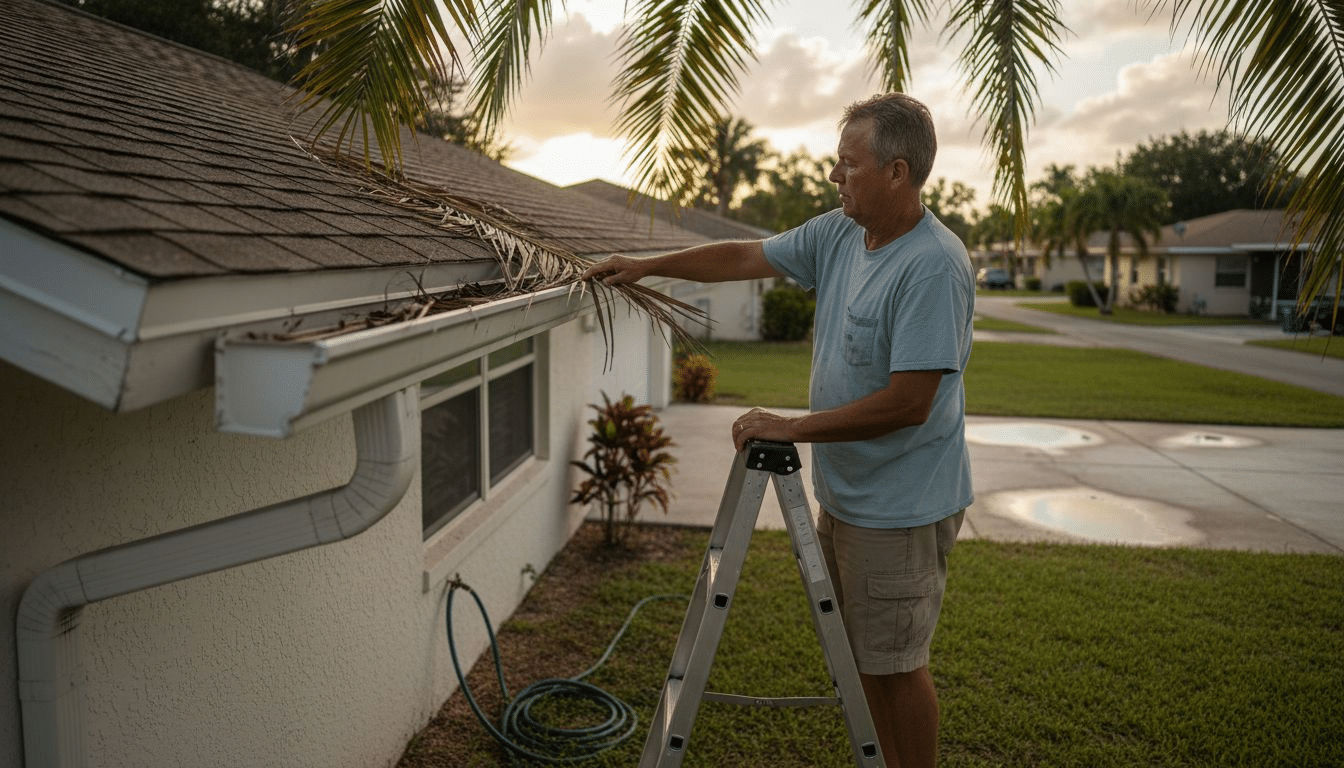
Heavy rainfall is a fact of life in Central Florida, and one in four American homeowners eventually faces costly repairs caused by water damage. If you live in Lake, Marion, or Sumter counties, protecting your home from Florida’s intense weather is a real concern. Understanding gutter troubleshooting can make the difference between a dry, secure property and unexpected foundation problems. This overview explains how the right systems and maintenance help homeowners stay ahead of the risks unique to our region.
Table of Contents
- What Is Gutter Troubleshooting And Why It Matters
- Common Types Of Gutter Problems In Florida Homes
- How Gutters Function To Prevent Water Damage
- Warning Signs And Causes Of Gutter Failure
- Essential Steps For Fixing Gutter Issues
- Mistakes To Avoid And When To Call Experts
Key Takeaways
| Point | Details |
|---|---|
| Gutter Troubleshooting is Essential | Regular gutter inspections prevent water damage and maintain property integrity. |
| Common Issues in Florida | Clogging and improper water diversion are prevalent, leading to severe structural problems. |
| Importance of Professional Help | Recognize when to call experts for persistent issues that DIY repairs cannot fix. |
| Proactive Maintenance Tips | Regular cleaning and monitoring after storms can catch problems early and reduce repair costs. |
What Is Gutter Troubleshooting and Why It Matters
Gutter troubleshooting involves a systematic approach to examining, identifying, and resolving potential issues with your home’s drainage system. In Florida, where heavy rainfall and intense storms are common, understanding gutter inspection techniques becomes crucial for protecting your property from water damage.
At its core, gutter troubleshooting is about preventing moisture-related problems before they escalate. Gutters serve a critical function: channeling water away from your home’s foundation, walls, and landscaping. When gutters malfunction, the consequences can be significant – from foundation erosion to potential structural damage. Homeowners must recognize that improper water drainage can lead to expensive repairs and compromise the integrity of their living spaces.
The process typically involves comprehensive checks of gutter systems, including examining slope, assessing downspout functionality, identifying potential blockages, and evaluating overall structural condition. Preventing water damage through proper maintenance requires understanding how water flows around your property and ensuring your gutter system can effectively manage rainfall.
Pro tip: Conduct a visual gutter inspection after every major storm to quickly identify potential issues before they become costly problems.
Common Types of Gutter Problems in Florida Homes
Florida homeowners face unique challenges with their gutter systems due to the state’s intense rainfall and humid climate. Gutter problems in Florida range from minor issues to significant structural risks that can compromise a home’s integrity. The most common problems include clogging, leaking, sagging, and improper water diversion.
One of the most prevalent issues is gutter clogging, which occurs when debris like leaves, twigs, and pine needles accumulate and block water flow. In Florida’s lush environment, this happens rapidly, especially during hurricane season and periods of heavy vegetation growth. Blocked gutters prevent water from properly channeling away from the foundation, leading to potential water damage, soil erosion, and structural problems. Rust and corrosion are also significant concerns, particularly in coastal areas where salt air accelerates metal deterioration.
Downspout functionality presents another critical challenge for Florida homeowners. Drainage system compliance is crucial to prevent water-related damage. Improperly sized or positioned downspouts fail to direct water sufficiently far from the home’s foundation, which can result in soil saturation, foundation weakening, and potential structural issues. Additionally, gutters that are incorrectly pitched or have developed holes and cracks can cause water to pool or leak in unintended areas, creating potential damage zones around the property.
Pro tip: Invest in gutter guards and schedule professional inspections twice a year to catch potential problems before they escalate into costly repairs.
Here’s a summary of common gutter problems in Florida and their potential consequences:
| Problem Type | Typical Cause | Potential Consequences |
|---|---|---|
| Clogging | Debris buildup | Water damage, soil erosion |
| Leaking | Cracks, rust | Wall stains, structural issues |
| Sagging | Poor installation | Foundation weakening |
| Improper Diversion | Faulty downspouts | Soil saturation, landscaping loss |
How Gutters Function to Prevent Water Damage
Gutters are far more than simple metal channels attached to your roofline. Rainwater conveyance systems play a critical role in protecting Florida homes from potential water damage by systematically redirecting rainfall away from vulnerable structural areas. These engineered systems work continuously to prevent moisture from penetrating your home’s foundation, walls, and landscaping.
The primary function of gutters involves collecting water that cascades off the roof during rainstorms and tropical weather events common in Florida. By channeling water through a carefully designed network of channels and downspouts, gutters prevent water from pooling around your home’s foundation. When functioning correctly, these systems ensure that water is transported to designated drainage areas, significantly reducing the risk of soil erosion, foundation weakening, and potential structural damage that can result from uncontrolled water flow.
Water management techniques are particularly crucial in Florida’s challenging climate. Gutters must be precisely sized and installed to handle intense rainfall, with proper slope and secure attachments that guarantee efficient water movement. This becomes especially important during hurricane season and periods of heavy precipitation, where the volume of water can quickly overwhelm poorly designed or maintained drainage systems. The downspouts play an equally important role, directing water far enough away from the home to prevent moisture accumulation near critical structural elements.
Pro tip: Measure your gutters’ water flow capacity and ensure downspouts extend at least 4-5 feet away from your home’s foundation to maximize water damage prevention.
Warning Signs and Causes of Gutter Failure
Homeowners in Florida must remain vigilant about potential gutter system failures, as the state’s extreme weather conditions can quickly compromise drainage infrastructure. Gutter inspection techniques reveal multiple warning signs that indicate potential system breakdown, ranging from subtle structural issues to obvious water management problems. These signs often emerge gradually, making early detection critical for preventing extensive property damage.
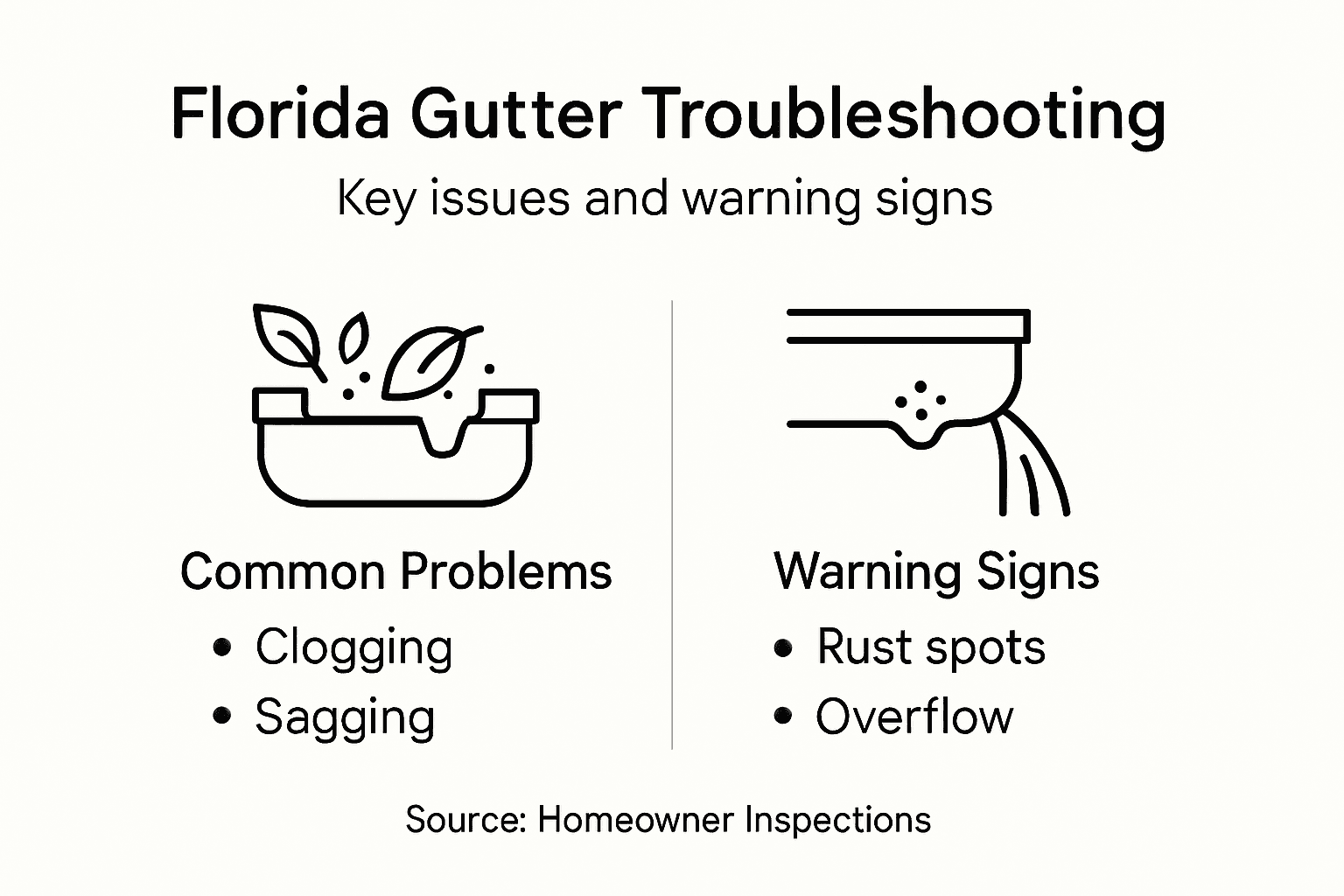
Standing water, rust formations, and visible cracks represent the most immediate red flags of gutter system deterioration. Overflowing gutters during rainstorms suggest blockages or improper slope that prevent efficient water channeling. In coastal Florida regions, metal corrosion accelerates due to salt-laden air, causing premature material degradation. Homeowners should pay close attention to signs like sagging gutter sections, water stains on exterior walls, and erosion patterns around the home’s foundation, which all indicate potential drainage system failures.
Structural design standards highlight that gutter failures often stem from inadequate installation or material selection. Environmental loads such as intense wind, heavy rainfall, and debris accumulation can cause system stress. Undersized gutters, improper attachment methods, and lack of regular maintenance compound these challenges, creating vulnerabilities that compromise the entire water management system of a home.
Pro tip: Conduct a comprehensive gutter inspection after every major storm and trim nearby trees to minimize debris accumulation that can trigger system failure.
Essential Steps for Fixing Gutter Issues
Addressing gutter problems in Florida requires a methodical approach that tackles both immediate repairs and long-term maintenance. Gutter inspection techniques reveal that successful repair involves multiple critical steps, each designed to restore and protect your home’s drainage system from potential water damage.
The first phase of gutter repair focuses on thorough cleaning and debris removal. Homeowners should remove leaves, twigs, and accumulated sediment that can obstruct water flow and cause potential damage. Careful examination of gutter sections for signs of rust, cracks, or holes is crucial, as these issues can quickly compromise the entire system. Professional repair often involves patching small damage, replacing severely corroded sections, and ensuring that gutter slopes are correctly angled to facilitate proper water drainage.
Downspout sizing and alignment/Book%3A_To_Catch_the_Rain_(Grafman)/04%3A_Calculations/4.03%3A_Gutter_and_Downspout_Sizing) represents another critical aspect of gutter repair. In Florida’s challenging climate, downspouts must be precisely positioned to direct water at least 4 to 6 feet away from the home’s foundation. This requires checking attachment points, verifying proper slope, and ensuring that water is effectively channeled to prevent soil erosion and potential structural damage. Homeowners should also inspect for any signs of water pooling or unusual drainage patterns that might indicate underlying gutter system problems.
Pro tip: Use a garden hose to test gutter functionality after repairs, checking for smooth water flow and identifying any remaining leaks or drainage issues.
Mistakes to Avoid and When to Call Experts
Navigating gutter repairs requires understanding the fine line between DIY maintenance and professional intervention. Homeowner repair mistakes can lead to significant water damage if not addressed carefully, making it crucial to recognize when expert help becomes necessary.
Common mistakes that homeowners frequently make include attempting complex repairs without proper knowledge, ignoring minor issues that can escalate quickly, and using incorrect materials or techniques. Some critical errors involve improper gutter slope installation, inadequate downspout sizing, and failing to secure gutters correctly. These mistakes can compromise the entire drainage system, potentially causing water to pool near your home’s foundation or create structural vulnerabilities that lead to expensive repairs.
Gutter system inspection guidelines recommend calling professional experts under specific circumstances. These include persistent leaks that resist DIY repairs, extensive corrosion, significant structural damage, gutters hanging loose, or situations where personal safety might be at risk. Professional gutter technicians bring specialized equipment, technical expertise, and an understanding of local building codes that ensure your gutter system functions optimally in Florida’s challenging climate.
Pro tip: Document all gutter issues with photographs before attempting repairs, as this can help professionals diagnose problems more accurately and provide more precise estimates.
Compare DIY repair risks versus hiring a professional when fixing gutters:
| Factor | DIY Approach | Professional Service |
|---|---|---|
| Safety | Ladder hazards | Trained for roof safety |
| Repair Quality | May miss problems | Complete diagnosis |
| Tool Availability | Basic household | Specialized equipment |
| Code Compliance | May be overlooked | Knows local requirements |
Protect Your Home with Expert Gutter Solutions Tailored for Florida
Dealing with clogged, leaking, or sagging gutters can put your Florida home at serious risk of water damage. This article highlights how important proper gutter inspection techniques and timely maintenance are to prevent soil erosion and structural issues caused by faulty drainage systems. If you want to stop water from ruining your foundation and landscaping, investing in a reliable gutter system designed for Florida’s heavy rain and storms is essential.

Trust Larry’s Gutters for seamless rain gutter installation, professional gutter repair, and comprehensive gutter guard options that keep debris at bay and water flowing smoothly. Our custom-fit gutters and expert services are built to endure Central Florida’s unpredictable weather and safeguard your home year-round. Don’t wait for water damage to show up. Visit Larry’s Gutters to request a free quote today and take the first step toward protecting your most valuable asset.
Frequently Asked Questions
What are the common signs of gutter problems?
Common signs of gutter problems include standing water, rust formations, overflowing gutters, water stains on exterior walls, and sagging sections, all of which indicate potential drainage issues.
How can I prevent gutter clogging?
To prevent gutter clogging, regularly clean your gutters and consider installing gutter guards. Additionally, trim nearby trees to minimize debris accumulation that can lead to blockages.
How often should I inspect my gutters?
It’s recommended to inspect your gutters at least twice a year, especially after major storms, to identify any potential issues early and prevent costly damage.
When should I call a professional for gutter repairs?
You should call a professional for gutter repairs if you notice persistent leaks, significant corrosion, extensive structural damage, or if you’re unsure about safely performing the repairs yourself.
