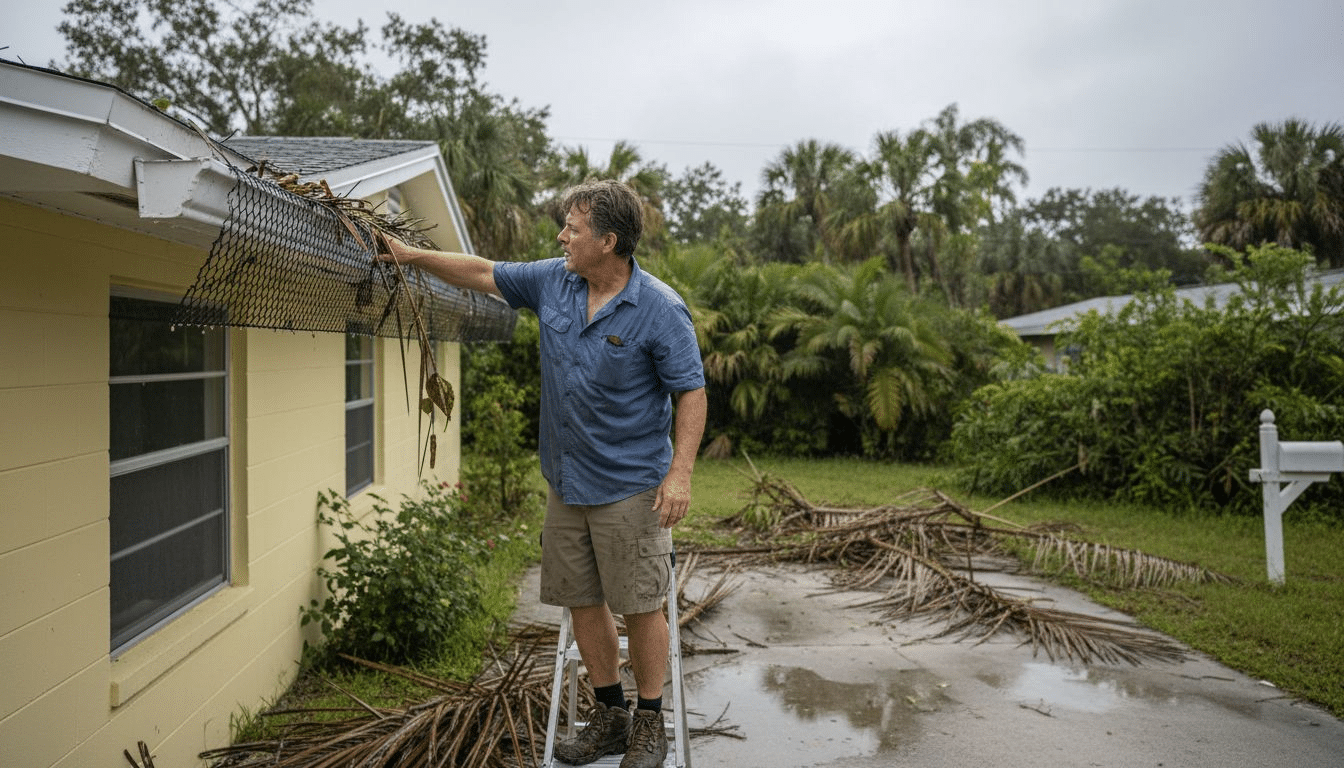
Rain gutters on the typical American home channel thousands of gallons during a single Central Florida storm, yet most systems clog or overflow when debris piles up. Protecting your home in Lake, Marion, or Sumter Counties means choosing the right gutter defense before relentless rain turns into expensive water damage. This guide breaks down practical gutter guard solutions, revealing the most reliable options to keep your property safe and maintenance simple despite Florida’s extreme weather.
Table of Contents
- What Are Gutter Guards And Their Purpose
- Major Types Of Gutter Guards Explained
- How Gutter Guards Function In Heavy Rain
- Features And Installation For Florida Climate
- Comparing Costs And Maintenance Factors
- Avoiding Common Installation Mistakes
Key Takeaways
| Point | Details |
|---|---|
| Gutter Guards Protect Homes | Gutter guards prevent debris from clogging gutters, ensuring proper water flow and protecting home foundations from damage. |
| Select Appropriate Guard Types | Homeowners should choose gutter guards based on local vegetation, rainfall intensity, and maintenance preferences for optimal performance. |
| Invest in Quality Materials | Premium materials like stainless steel offer long-term durability and reduced maintenance in Florida’s harsh climate. |
| Professional Installation is Crucial | Proper installation by professionals ensures the effectiveness of gutter guards and compliance with local environmental challenges. |
What Are Gutter Guards and Their Purpose
Gutter guards are specialized protective devices designed to prevent debris from entering rain gutters while maintaining unobstructed water flow. These systems are crucial for homeowners, especially in Central Florida where heavy rainfall and dense vegetation can quickly overwhelm traditional gutter systems. Rain gutters are critical components that channel water away from a building’s foundation, protecting against potential structural damage, erosion, and moisture-related issues.
The primary purpose of gutter guards is to minimize maintenance and prevent blockages that can lead to significant home damage. By creating a barrier against leaves, twigs, pine needles, and other organic materials, these devices ensure that rainwater can smoothly pass through the drainage system. Consumers advocates note that gutter guards significantly reduce the frequency and difficulty of gutter maintenance, allowing homeowners to protect their property with minimal ongoing effort.
Most gutter guard systems work through one of several innovative mechanisms:
- Mesh screens that filter out debris while allowing water to pass through
- Surface tension designs that guide water around a curved edge
- Micro-mesh filters with extremely fine perforations
- Foam inserts that block debris while permitting water flow
Each design addresses the core challenge of keeping gutters clear and functional, which is especially critical in regions like Central Florida with frequent thunderstorms and abundant foliage.
Pro Tip: Schedule a professional gutter guard inspection annually to ensure your system continues functioning optimally and catches any potential issues before they become costly repairs.
Major Types of Gutter Guards Explained
Gutter guards come in several distinct types, each engineered to address specific debris challenges and environmental conditions in regions like Central Florida. Consumer advocates highlight five primary gutter guard configurations: mesh screens, reverse curve systems, foam inserts, brush guards, and screen guards. These designs offer homeowners flexible solutions for protecting their drainage systems from leaves, twigs, and other organic materials.
Mesh and micro mesh guards represent the most sophisticated debris filtration technology. These guards feature extremely fine perforations that allow water to pass through while blocking even tiny particles. Screen guards, by contrast, use larger openings that work well in areas with moderate leaf fall. Reverse curve guards utilize surface tension principles, directing water around a curved edge while pushing debris off the system. This design is particularly effective in Florida’s environments with heavy rainfall and abundant tree coverage.
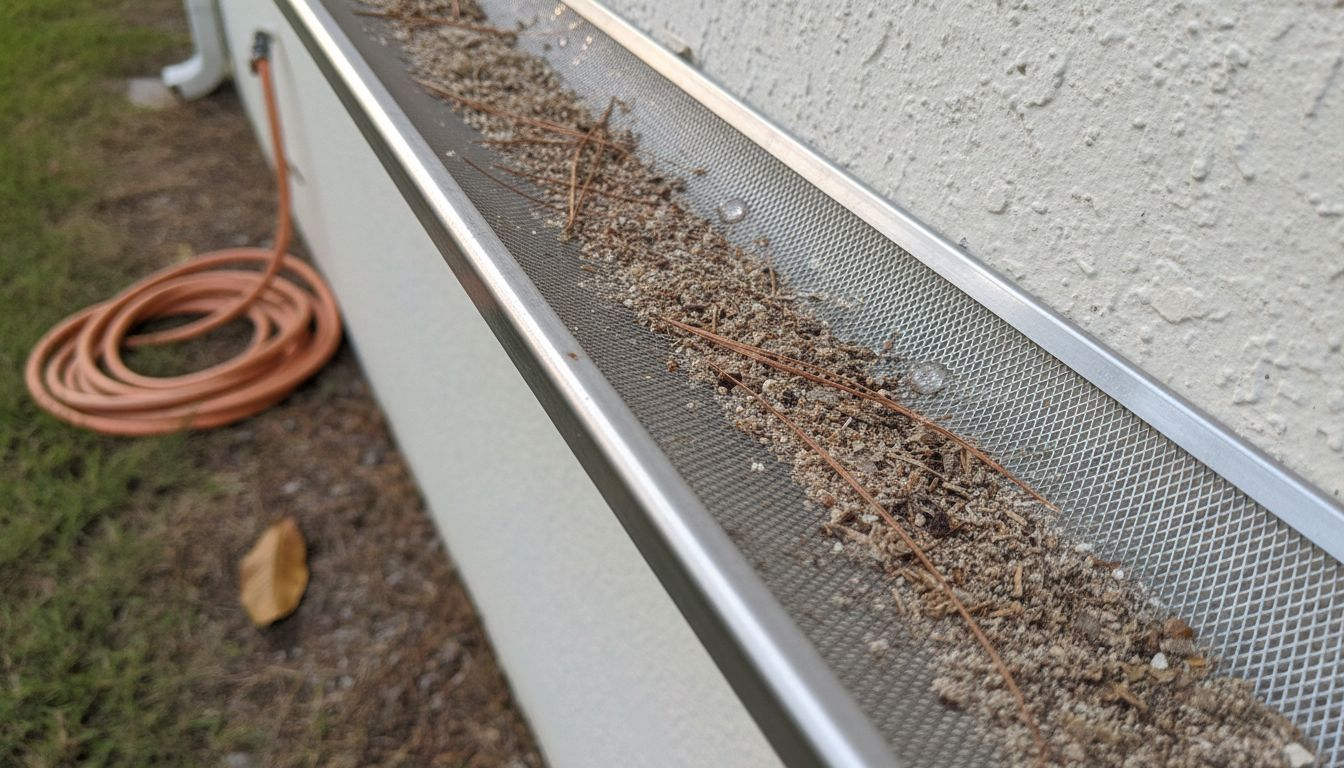
Material selection plays a crucial role in gutter guard performance. Aluminum and stainless steel micro mesh guards offer superior durability and corrosion resistance, making them ideal for Florida’s humid climate. Comprehensive gutter guard comparisons recommend evaluating installation methods, filtration capacity, and local environmental factors when selecting the most appropriate system. Foam and brush guards provide budget-friendly alternatives, though they may require more frequent maintenance in areas with significant organic debris.
Each gutter guard type presents unique advantages depending on specific residential requirements. Homeowners should consider factors like local vegetation, roof pitch, annual rainfall, and maintenance preferences when choosing their optimal gutter protection system.
Here’s a quick side-by-side comparison of major gutter guard types used in Central Florida:
| Guard Type | Best For | Durability | Maintenance Needs |
|---|---|---|---|
| Microscreen Mesh | Fine debris, heavy rain | Highly corrosion-resistant | Very low, annual checkup |
| Reverse Curve | High water volume, large debris | Aluminum offers good lifespan | Moderate, needs periodic inspection |
| Foam Insert | Quick installation, budget | Short-term, degrades in sun | Frequent cleaning and replacement |
| Brush Guard | Pine needles, leaves | Moderate, weather sensitive | Higher, needs debris removal |
| Screen Guard | General leaf protection | Varies by material | Moderate, occasional cleaning |
Pro Tip: Consult with a local gutter installation professional who understands Central Florida’s specific environmental challenges to select the most appropriate gutter guard design for your home.
How Gutter Guards Function in Heavy Rain
In Central Florida, where thunderstorms are frequent and intense, gutter guards play a critical role in managing massive water volumes during heavy rainfall. Consumer Reports testing reveals significant variations in gutter guard performance under extreme weather conditions, demonstrating that not all systems handle high-volume water flow equally effectively.
The primary function of gutter guards during heavy rain is to channel water quickly and efficiently while preventing debris accumulation. Surface tension designs and micro mesh systems excel at water management, using engineered surfaces that guide water through narrow channels while blocking leaves, pine needles, and other organic materials. These specialized mechanisms prevent water from overflowing and protect the home’s foundation, landscaping, and structural integrity during intense storms.
Building and safety experts emphasize that gutter systems must be adequately sized to manage large water volumes, particularly in regions with frequent heavy rainfall. In Central Florida, this means selecting gutter guards with:
- High water flow capacity
- Debris-blocking micro perforations
- Corrosion-resistant materials
- Slope-compatible design
Material selection and precise installation become crucial factors in ensuring optimal gutter guard performance during heavy rain. Aluminum and stainless steel micro mesh guards typically provide the most reliable water management, with designs that can handle up to 22 inches of rainfall per hour without compromising water flow or allowing significant debris penetration.
Pro Tip: Schedule a professional gutter guard assessment before Florida’s rainy season to ensure your system can handle unexpected severe weather conditions.
Features and Installation for Florida Climate
Florida’s unique climate demands specialized gutter guard solutions that can withstand extreme weather conditions and persistent humidity. Building codes specify rigorous material requirements for gutter systems in coastal and subtropical environments, emphasizing corrosion resistance and durability against salt exposure, intense sunlight, and frequent rainfall.
Coastal-grade materials are essential for gutter guard performance in Florida. Stainless steel and aluminum with special protective coatings provide the best defense against rust and degradation. These materials must simultaneously manage high water volumes while blocking debris, creating a complex engineering challenge unique to Florida’s environmental conditions.
Building and safety experts recommend strategic gutter guard installation techniques specifically tailored to Florida’s challenging climate. Critical installation considerations include:
- Precise slope calculations to ensure optimal water drainage
- Minimum five-foot water diversion from home’s foundation
- Watertight joint connections
- Corrosion-resistant mounting hardware
- Wind-resistant attachment methods
Additionally, Florida homeowners must consider additional features like UV protection, mold resistance, and the ability to withstand sudden temperature fluctuations. Professional installation becomes crucial, as improper mounting can compromise the entire drainage system’s effectiveness during intense thunderstorms.
Pro Tip: Choose gutter guards specifically engineered for subtropical climates, and have them professionally installed by technicians experienced with Florida’s unique environmental challenges.
Comparing Costs and Maintenance Factors
Gutter guard costs vary dramatically based on material, complexity, and long-term performance characteristics, making it crucial for Central Florida homeowners to understand the total investment beyond initial installation. Budget-friendly options like vinyl and foam guards might seem attractive initially, but they frequently require more frequent replacement and maintenance in Florida’s challenging climate.
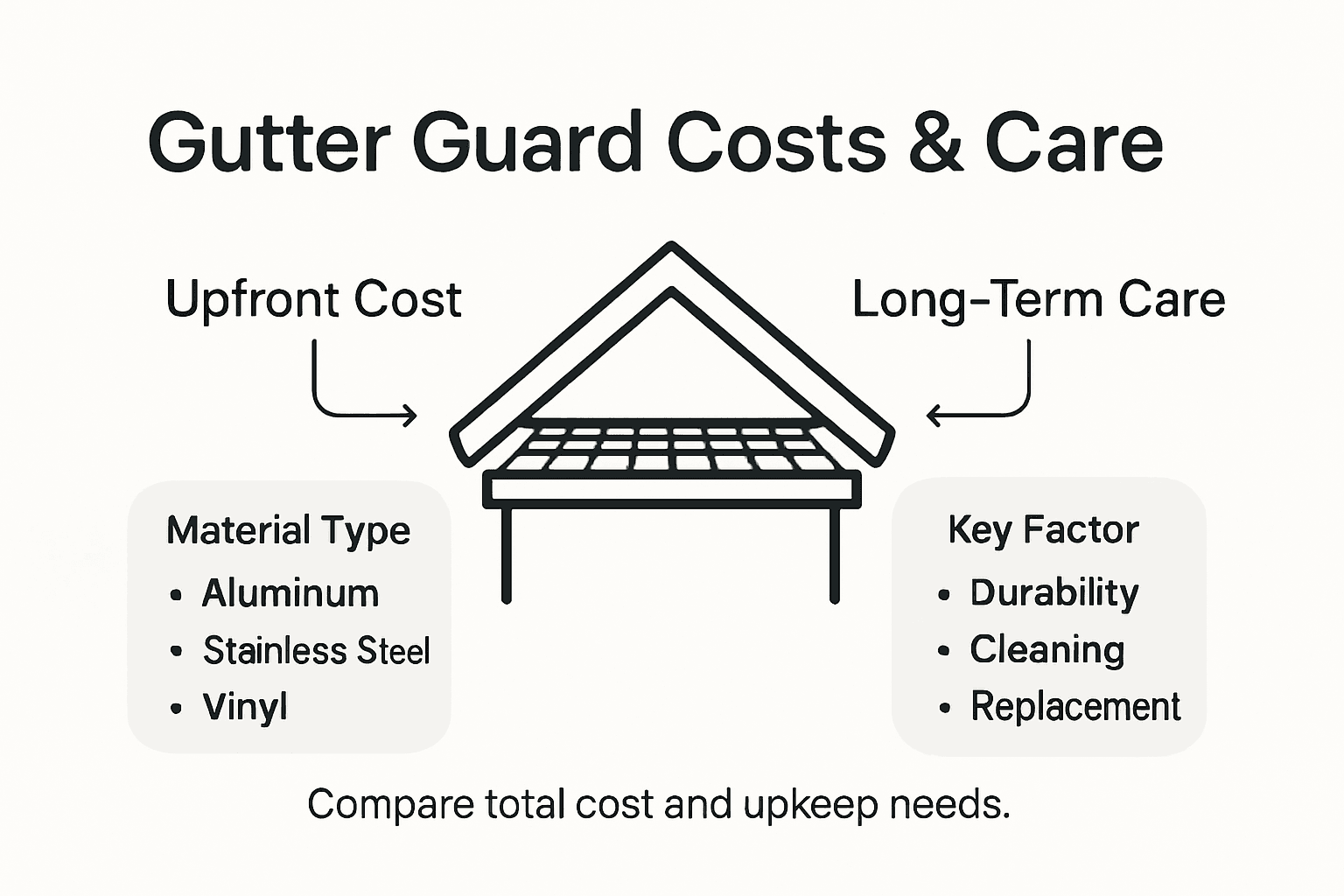
Stainless steel and aluminum gutter guards represent a more robust investment, despite higher upfront costs. These premium materials offer superior durability, resisting corrosion from salt air, intense sunlight, and frequent rainfall. Consumer research indicates that professional-grade materials can significantly reduce long-term maintenance expenses, creating a more cost-effective solution for homeowners seeking reliable protection.
Typical cost ranges for gutter guard installation in Central Florida include:
- Vinyl guards: $1.50 – $3 per linear foot
- Aluminum mesh guards: $4 – $6 per linear foot
- Stainless steel micro-mesh guards: $7 – $12 per linear foot
- Professional installation: Additional $2 – $4 per linear foot
Beyond material costs, homeowners should consider factors like cleaning frequency, potential water damage prevention, and overall system longevity. Cheaper materials might require cleaning every few months, while high-end guards can dramatically reduce maintenance needs. The tropical environment of Central Florida demands a more strategic approach to gutter protection, where initial investment often translates to long-term savings.
Use this summary to evaluate cost factors and maintenance over time:
| Material Type | Typical Initial Cost (per ft) | Expected Lifespan | Maintenance Frequency |
|---|---|---|---|
| Vinyl/Plastic | $1.50 – $3 | 3-5 years | Every 2-4 months |
| Aluminum Mesh | $4 – $6 | 10+ years | Once per year |
| Stainless Steel | $7 – $12 | 15+ years | Yearly, minimal effort |
| Foam/Brush | $2 – $4 | 1-3 years | Every few months |
Pro Tip: Request multiple quotes and compare total lifetime costs, not just initial installation prices, to make the most informed gutter guard investment decision.
Avoiding Common Installation Mistakes
Building and safety experts warn about critical installation mistakes that can compromise gutter guard effectiveness in Central Florida’s challenging climate. Improper installation can transform what should be a protective system into a potential source of significant home damage, making professional expertise crucial for successful implementation.
Critical installation errors specific to Florida’s environment include:
- Insufficient drainage slope
- Incorrect material selection for coastal conditions
- Inadequate water flow calculations
- Neglecting expansion joint requirements
- Improper attachment to roofing structures
Professional construction guidelines emphasize the importance of precise environmental considerations when installing gutter guards. In Central Florida, this means selecting materials that can withstand intense sunlight, high humidity, salt air, and frequent thunderstorms. Homeowners must account for unique regional challenges like rapid temperature shifts, potential hurricane-force winds, and persistent organic debris from surrounding vegetation.
Understanding manufacturer specifications becomes paramount. Each gutter guard system has precise installation requirements that, when ignored, can lead to complete system failure. Factors like thermal expansion, water volume management, and debris filtration efficiency vary dramatically between different guard designs. Professional installers understand these nuanced technical requirements and can prevent costly mistakes that DIY approaches frequently encounter.
Pro Tip: Always request a detailed site evaluation from certified gutter installation professionals who understand Central Florida’s specific environmental challenges before beginning any gutter guard project.
Protect Your Florida Home with Expert Gutter Guard Solutions
Heavy rains and constant debris from Florida’s lush environment pose big challenges for your gutters. If you want to avoid clogged gutters, frequent cleaning, or costly water damage, a custom-fit gutter guard system designed specifically for Central Florida’s climate is essential. Larry’s Gutters offers premium installation services that use corrosion-resistant materials and precise techniques to ensure your gutters stay clear and fully functional during intense storms.
Experience the difference of seamless rain gutters and professionally installed gutter guards that handle heavy water flow and block debris. Visit us at Larry’s Gutters to learn how our tailored solutions protect your foundation and landscaping from water damage.

Don’t wait for the next Florida thunderstorm to expose vulnerabilities in your gutter system. Request a free quote today and secure your home with our expert gutter guard installation and maintenance services. Protect your investment by choosing trusted local professionals at Larry’s Gutters. Start now by contacting us for a personalized consultation on seamless gutter and gutter guard options designed to meet Florida’s unique environmental challenges.
Frequently Asked Questions
How do gutter guards function during heavy rain?
Gutter guards efficiently channel large volumes of water during heavy rain by using engineered designs that block debris and maintain unobstructed water flow. Surface tension designs and micro mesh systems excel at managing water while preventing overflow and protecting the home’s foundation.
What are the main types of gutter guards available for my home?
The main types of gutter guards include mesh screens, reverse curve systems, foam inserts, brush guards, and screen guards. Each type is designed to address specific debris challenges and offers different advantages based on material, filtration capacity, and maintenance needs.
What materials are gutter guards made from, and which is best for my home?
Common materials for gutter guards include aluminum, stainless steel, vinyl, and foam. Aluminum and stainless steel are preferred for their durability and corrosion resistance, making them ideal for climates with heavy rainfall and humidity.
How often do I need to maintain my gutter guards?
Maintenance frequency depends on the type of gutter guard installed. High-quality options like stainless steel micro-mesh guards require minimal maintenance, typically an annual check-up, while budget-friendly options may need cleaning every few months due to higher debris accumulation.
